
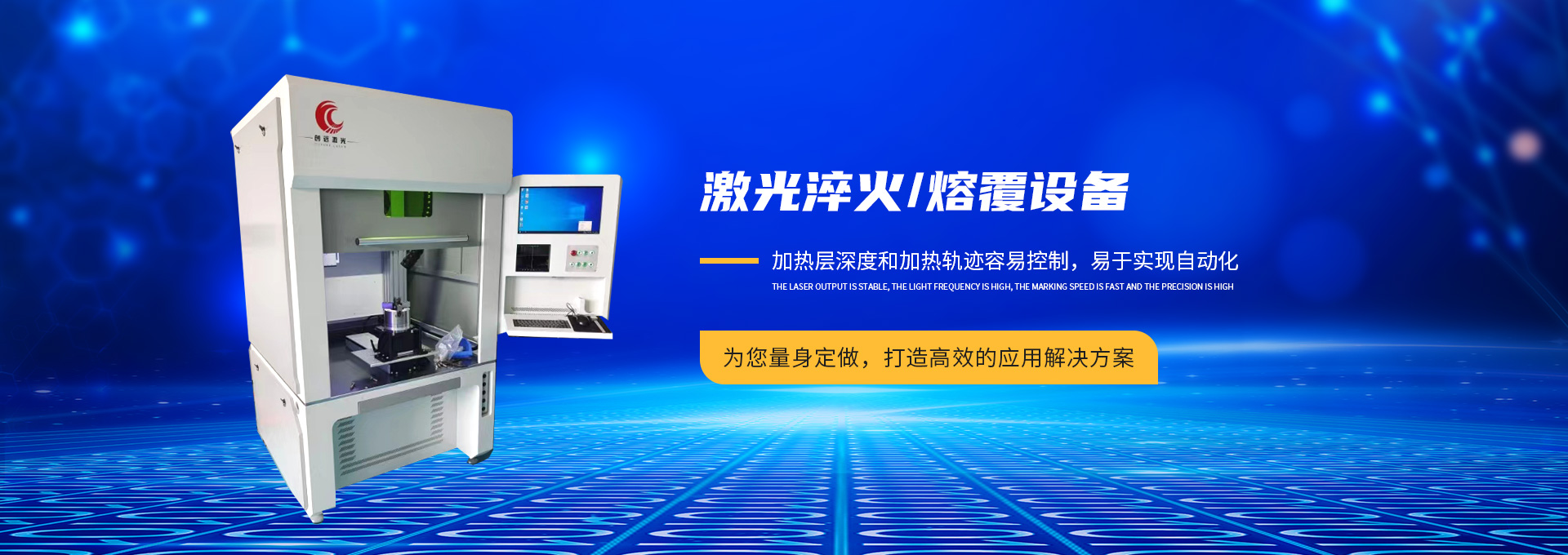

Laser annealing is a complex and controlled process that requires operators to possess professional knowledge and experience to ensure the effectiveness of the treatment and the quality of the workpiece. The following points should be noted:
Material Selection: Choose appropriate laser parameters, such as laser type, power, and scanning speed, based on the material type and requirements to be processed, ensuring optimal treatment results.
Surface Flatness: It is essential to ensure that the material surface is smooth and free of protrusions or scratches prior to laser annealing to avoid affecting the processing results.
Temperature Control: Laser annealing involves the process of using high-power laser beams to heat the material surface to the melting point and then rapidly cool it. Therefore, controlling the heating and cooling rates is crucial for achieving the desired treatment effects.
Annealing temperature and time: Select the appropriate temperature and time based on the material type and requirements. The annealing temperature is generally 50~100 degrees lower than the critical temperature of the material.
Insulation Treatment: After reaching the set temperature, a certain duration is required to ensure even internal material temperature.
Cooling Treatment: After annealing, the workpiece can be removed from the furnace and allowed to cool naturally or be quenched in water.
Inspection of Workpiece: After the annealing process, the workpiece undergoes visual inspection and physical property tests to ensure its quality meets the required standards.
Be mindful of safety precautions during operation, such as wearing protective goggles and gloves, avoiding direct contact with high-temperature workpieces, and ensuring proper ventilation in the work area.
