



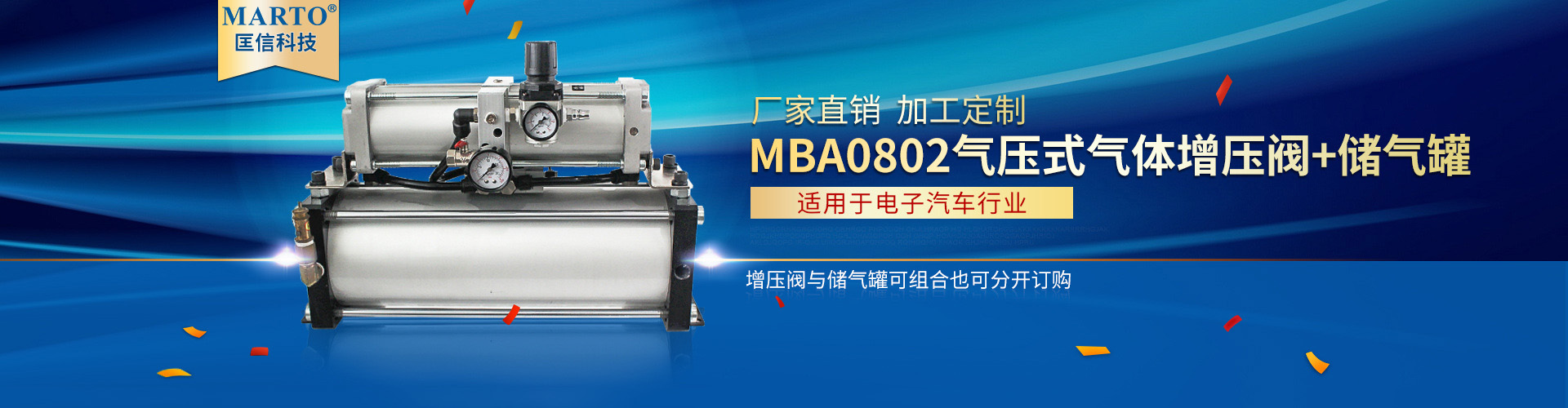

The gas-liquid pressure accumulator converts compressed air into liquid pressure and is commonly used in industrial machinery and equipment. To ensure the normal operation of the gas-liquid pressure accumulator, it is necessary to remove impurities from the air to prevent damage to the internal seals and valves of the accumulator.
Below are some common methods for removing impurities from the air:
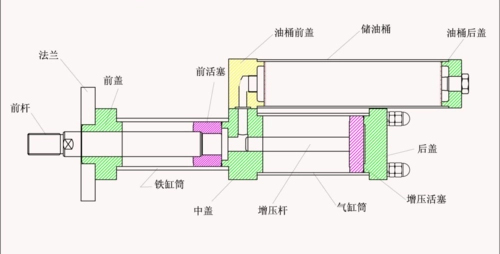
Filters: Prior to the gas entering the gas-liquid booster cylinder, a filter is installed to remove solid impurities and particulates from the air. Filters are typically in the form of filter cores, which allow for the selection of an appropriate filter core precision to meet different operational requirements.
Sedimentation Chamber: A sedimentation chamber can be installed at the front of the gas-liquid pressure cylinder. By reducing the airflow velocity and increasing the cross-sectional area, solid particles in the airflow settle to the bottom. Waste is then discharged through the drain device at the bottom of the sedimentation chamber.
Water Separator: Due to the presence of moisture in the air, when using a gas-liquid pressure cylinder, it is necessary to consider the separation and elimination of moisture. A water separator can be installed at the front of the pressure cylinder, where, through a well-designed structure and guide plates, the moisture is concentrated within the separator and then expelled through the drain port.
Air Dryer: Adding an air dryer to the gas-liquid pressure cylinder system can remove moisture from the air, preventing corrosion and damage to the internal components of the pressure cylinder. Air dryers typically operate on the principles of adsorbents or condensers.
By employing these methods, impurities in the air can be effectively removed, ensuring the normal operation and extended service life of the gas-lubricated pressure cylinder. Additionally, based on specific application requirements, other treatment measures can be adopted as per the actual circumstances.
