




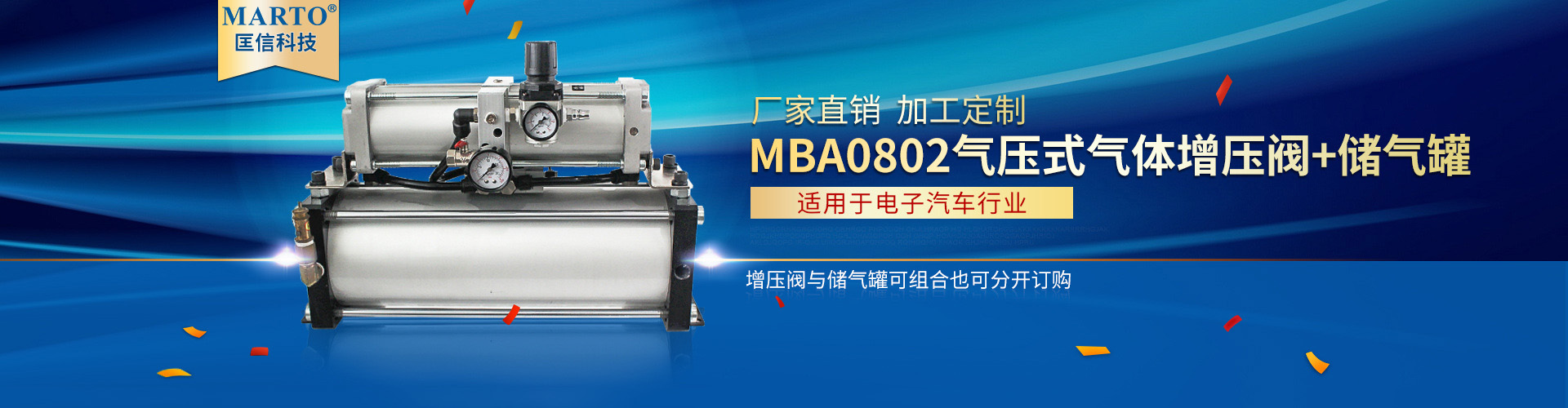
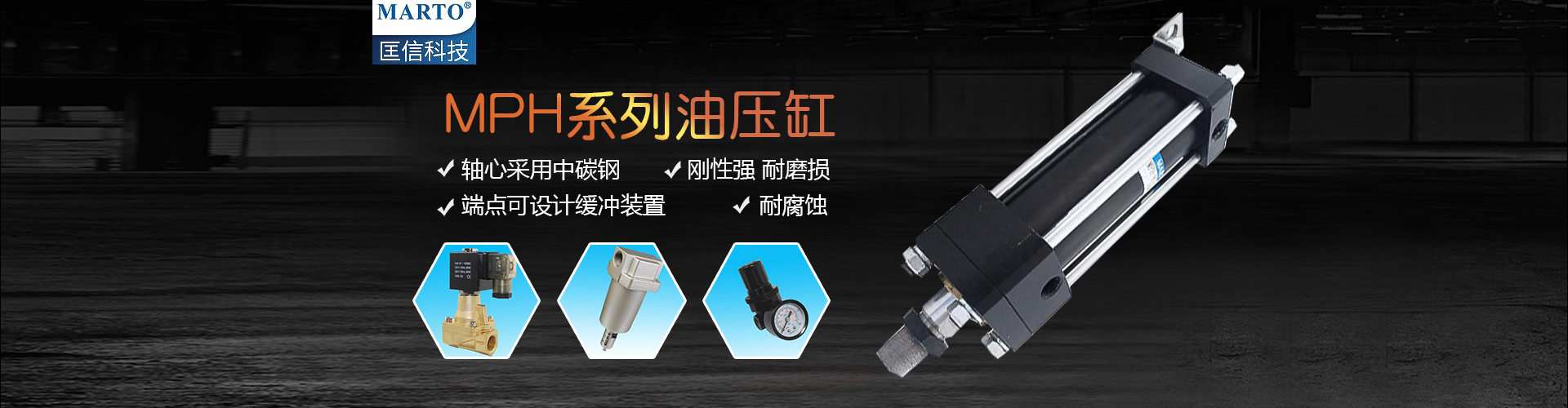

In actual production, due to the high-speed operation of the gas-liquid pressure intensifier cylinder, fatigue occurs, leading to inevitable malfunctions. This necessitates our ability to quickly and accurately diagnose gas-liquid pressure intensifier cylinder failures.
Due to constraints from production schedules and technical conditions, maintenance personnel must utilize existing information and on-site technical conditions to minimize disassembly work, saving on repair time and costs. By employing simple technical methods, they must accurately identify the faulty location and cause of the gas-liquid pressure cylinder malfunction within the shortest possible time, and repair it accordingly. This is to restore the system to normal operation and strive to prevent similar failures in the future.
Components and working fluids in the gas-liquid pressure intensifier operate within a closed oil circuit, which is neither as直观 as mechanical equipment nor as easily measurable with various testing instruments as electrical equipment. In gas-liquid pressure intensifiers, only a limited number of pressure gauges and flowmeters indicate the operating parameters of certain parts of the system; other parameters are difficult to measure. Moreover, the root causes of general malfunctions are often multifaceted, posing certain difficulties for diagnosing faults in gas-liquid pressure intensifiers.
Specific troubleshooting methods for gas-liquid pressure cylinder failures:
Firstly, determine if the operating conditions and peripheral environment of the gas-lubricated booster cylinder are normal. Clarify whether the issue lies with the mechanical or electrical control part of the equipment, or if it's a fault with the gas-lubricated booster itself. Additionally, check if all conditions of the gas-lubricated booster cylinder meet the requirements for normal operation.
2. Regional judgment determines the area related to the fault based on the fault phenomena and characteristics, gradually narrowing down the scope of the fault, inspecting the components within this area, analyzing the cause, and pinpointing the specific location of the fault.
3. Conduct comprehensive analysis by mastering types of failures. Gradually delve deeper to identify various direct or indirect potential causes based on the failure phenomena. To avoid盲目ness, it is essential to perform comprehensive analysis and logical judgment according to the fundamental principles of the system, narrowing down the suspects and pinpointing the location of the failure.
4. Fault diagnosis is based on operational records and certain system parameters. Establishing system operation records is the scientific basis for preventing, discovering, and handling faults; creating a fault analysis table for equipment operations is a highly summarized summary of experience, aiding in rapid judgment of fault phenomena; having certain detection methods enables accurate quantitative analysis of faults.
When verifying potential causes of failure, it's generally best to start with the most likely causes or easily inspectable areas, which can reduce the amount of assembly and disassembly work and improve diagnostic speed.
For troubleshooting hydraulic pressure cylinders, accurate judgment is key. Many issues actually have early signs, so during daily operation, it's crucial to strictly follow installation procedures and ensure regular maintenance and care.
The failure of the gas-lubricated pressure cylinder also depends on how hydraulic oil is replaced.
After the gas-liquid booster cylinder has been used over 500,000 times or for more than one year, it is recommended to replace all the hydraulic oil in the gas-liquid booster cylinder to enhance its service life and working years.
The following are six steps for replacing hydraulic oil in gas-lubricated hydraulic cylinders:
1. The gas-liquid pressure cylinder returns to its original position.
2. Turn off the power.
Remove the tube from the P4 gas outlet of the gas-liquid pressure cylinder and connect it to the atmosphere.
Remove the oil drum's top filling cap, clean the filling hole threads, and pour oil into the drum through a funnel until it reaches the oil level marker.
Attach a gasket and sealing tape to the cap, blocking the fueling port.
Insert the P4 air intake tube.
Two key points to note when replacing hydraulic oil in a gas-lubricated supercharger:
1. Please note that when adding, do not let hydraulic oil come into contact with water. This can cause the hydraulic oil to emulsify and deteriorate, thereby losing its original viscosity and potentially leading to nozzle leakage in the supercharger cylinder.
2. Special Reminder: The hydraulic oil model used in Taiwan Kuangxin Gas-Liquid Pressure Cylinder is VG68# Anti-Wear Hydraulic Oil.
