




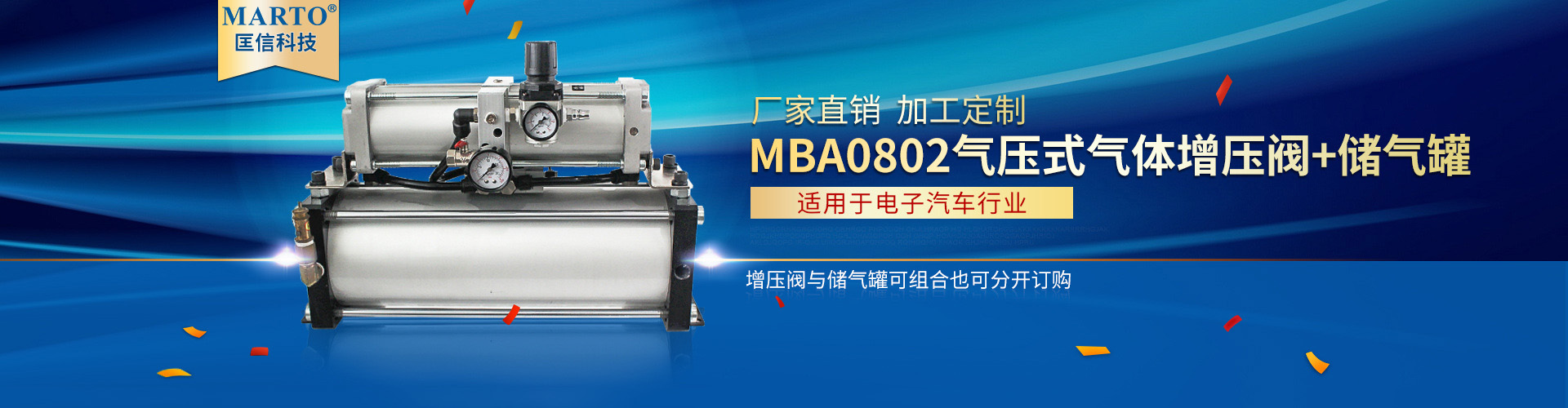
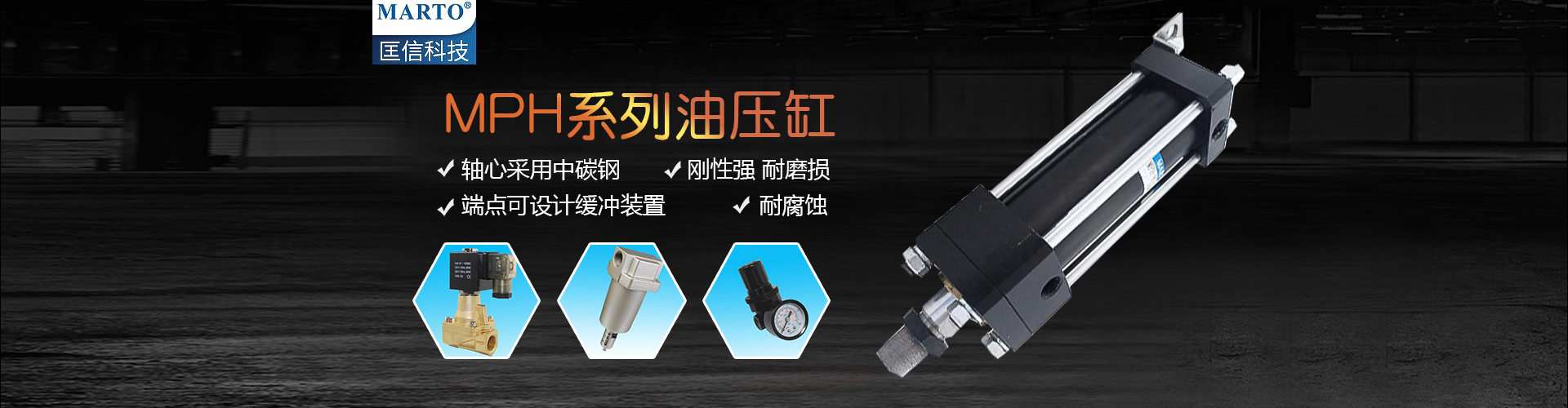

Have you ever encountered a situation while using gas-liquid pressure cylinders, where droplets of water are seen falling from the outside? This water is referred to as condensate. Condensate forms when the temperature of the gaseous water drops and condenses into a liquid state. So, how should you handle the situation when there is condensate in a gas-liquid pressure cylinder to avoid it? Below, we'll explain what happens when condensate is present in a gas-liquid pressure cylinder!
Why Gas-Liquid Pressure Vessel Has Condensate Water:
Condensation water in the gas-liquid pressure cylinder is due to the cylinder's gas-driven operation. Since the air in the atmosphere is moisture-laden, when this moisture enters the gas-liquid pressure cylinder, condensation water is formed.
How to Avoid Condensation in Gas-Liquid Pressure Cylinders:
The air in the atmosphere contains moisture. If this moisture enters the gas-liquid booster cylinder, it can affect its normal operation and lifespan. Therefore, the input gas source for the gas-liquid booster cylinder must be filtered. An oil-water filter is installed before the input gas source to remove moisture, oil mist, dust, and other impurities from the compressed air, serving as an air purification function. This ensures the input gas source for the gas-liquid booster cylinder remains dry, preventing any impact on the cylinder's lifespan.
