

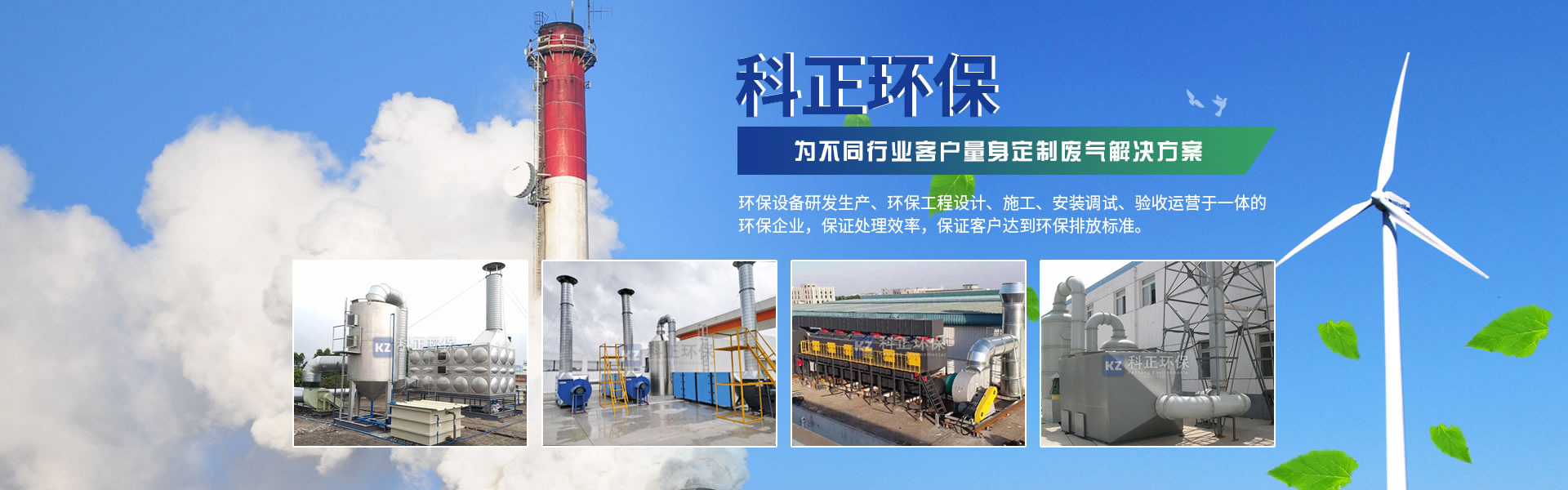


Dust control refers to the effective treatment and control of dust generated during industrial production processes to reduce its harm to the environment and human health. Here are some common dust control methods:
Reduce Dust Generation: Minimize dust production by altering process flow, optimizing equipment design, or using low-dust generating materials.
2. Enclosed Equipment: Install enclosed covers or shells on machinery that may generate large amounts of dust to confine the dust within the equipment, preventing its dispersion into the air.
3. Adsorption/Absorption Technology: Utilizing adsorbents, activated carbon, or wet scrubbers to capture and adsorb particulate matter from the air, thereby achieving air filtration.
4. Dust Collection System: Installed integrated emission systems, including dust collectors, fog eliminators, and electrostatic oil separators, to process exhaust gases before releasing them back into the atmosphere.
5. Pipeline Layout Optimization: Rationalize pipeline arrangement to prevent blockages or air leaks during long-distance transport, and set up monitoring and cleaning points at critical locations.
6. Regular Cleaning and Maintenance: Conduct regular cleaning of the workplace to promptly remove dust and debris, preventing the accumulation of dust that could lead to explosion and fire hazards.
7. Personal Protective Measures: Provide workers with appropriate personal protective equipment, such as masks, protective goggles, gloves, etc., to minimize exposure to dust.
The above lists some common dust control methods. The specific choice of method should be determined based on the characteristics of different industries and processes, combined with a comprehensive consideration of the actual on-site conditions.
