
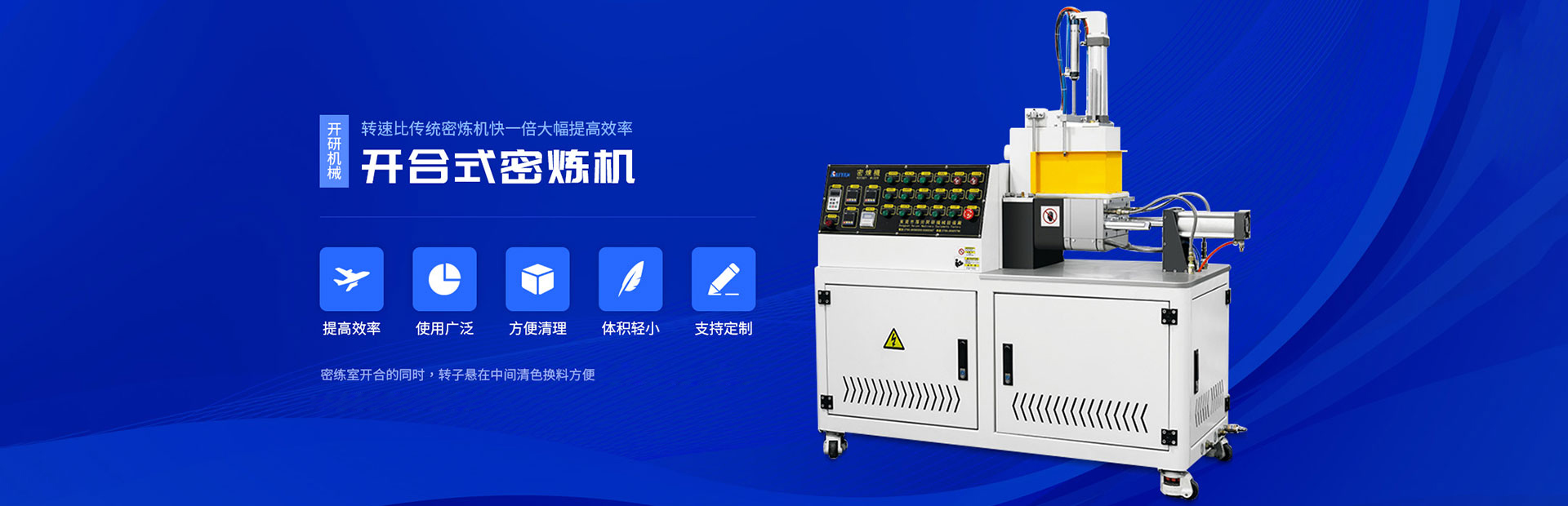
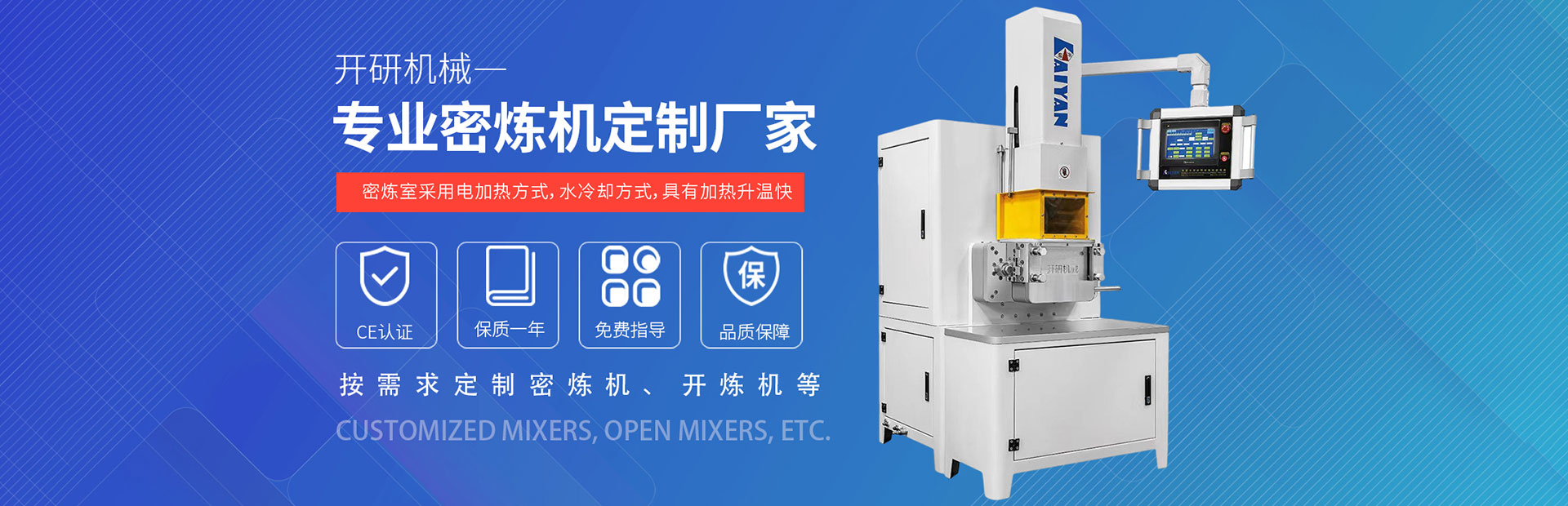

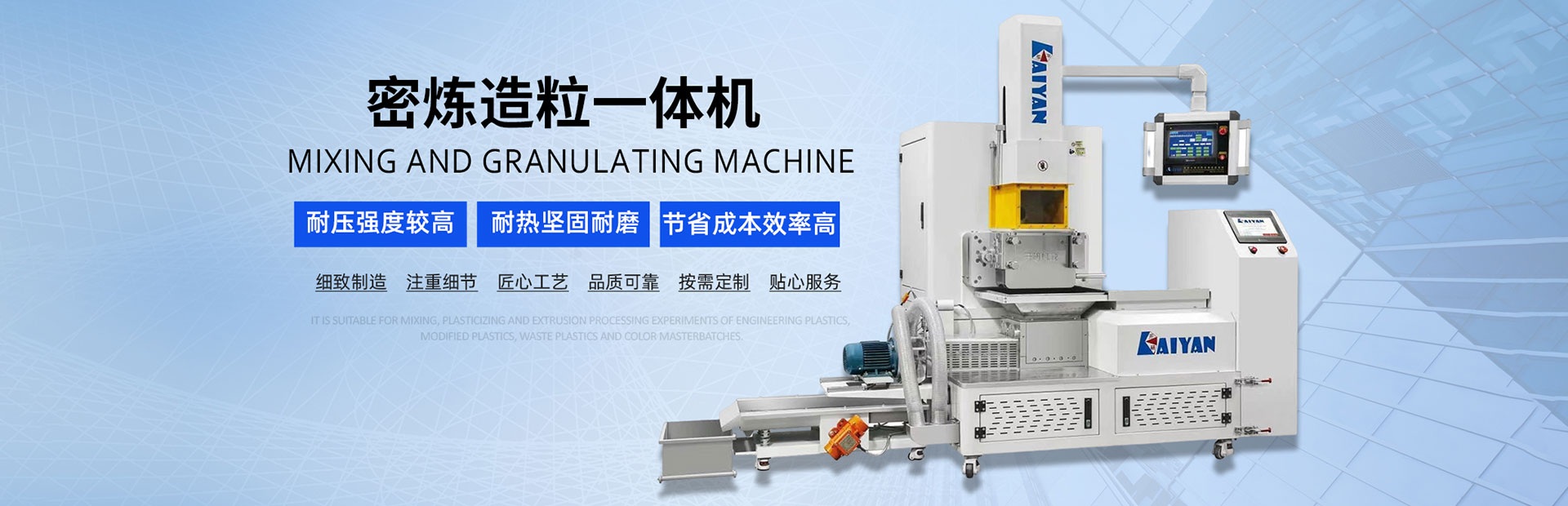
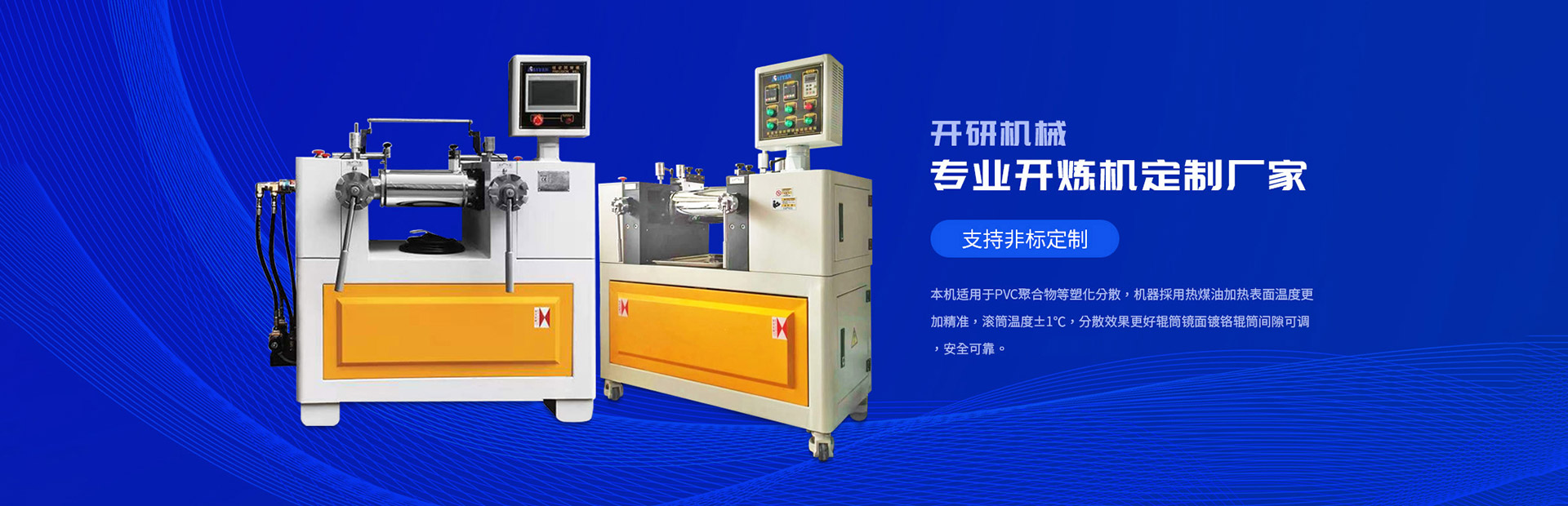

An open mill, also known as an open mixing mill, is a type of rubber and plastic machinery developed from the closed mill. It is primarily used for mixing and plasticizing rubber or plastic. Unlike the closed mill, the open mill can also be used for rubber or plastic sheeting, and it is generally more affordable than the closed mill.
The rubber open mill, as the name implies, is primarily used for rubber mixing. Lina's rubber open mill roller is made of high-quality vanadium-titanium alloy steel. It features two hollow rollers or drilled rollers rotating in opposite directions inward. The roller on the operator's side, known as the front roller, can be manually or electrically moved horizontally forward and backward to adjust the roller gap, accommodating operational requirements; the rear roller is fixed and cannot be moved forward and backward.
The working principle of a rubber kneading machine:
Two rollers rotate relative to each other, utilizing different speeds to apply shearing and pressure to the material, thereby breaking the molecular chains of the material to achieve industrial blending effects. During the blending process, operators typically add some rubber additives to fully mix various materials, making them suitable for industrial requirements, and on the other hand, it can also reduce costs. As rubber generally has a low hardness, the rubber open mill is also known as a water-cooled open mill.
The rubber open mixer is different from the plastic open mixer, also known as a water-cooled open mixer. "Water-cooled" refers to the mixer having a water pipe connection that can be directly plugged into a water source, allowing water to enter the machine, thus achieving the cooling and water circulation effect; whereas the plastic open mixer is called a heating-type open mixer, as the hardness of plastic is generally higher, and heating is required during the blending process to fully mix the plastic.
