
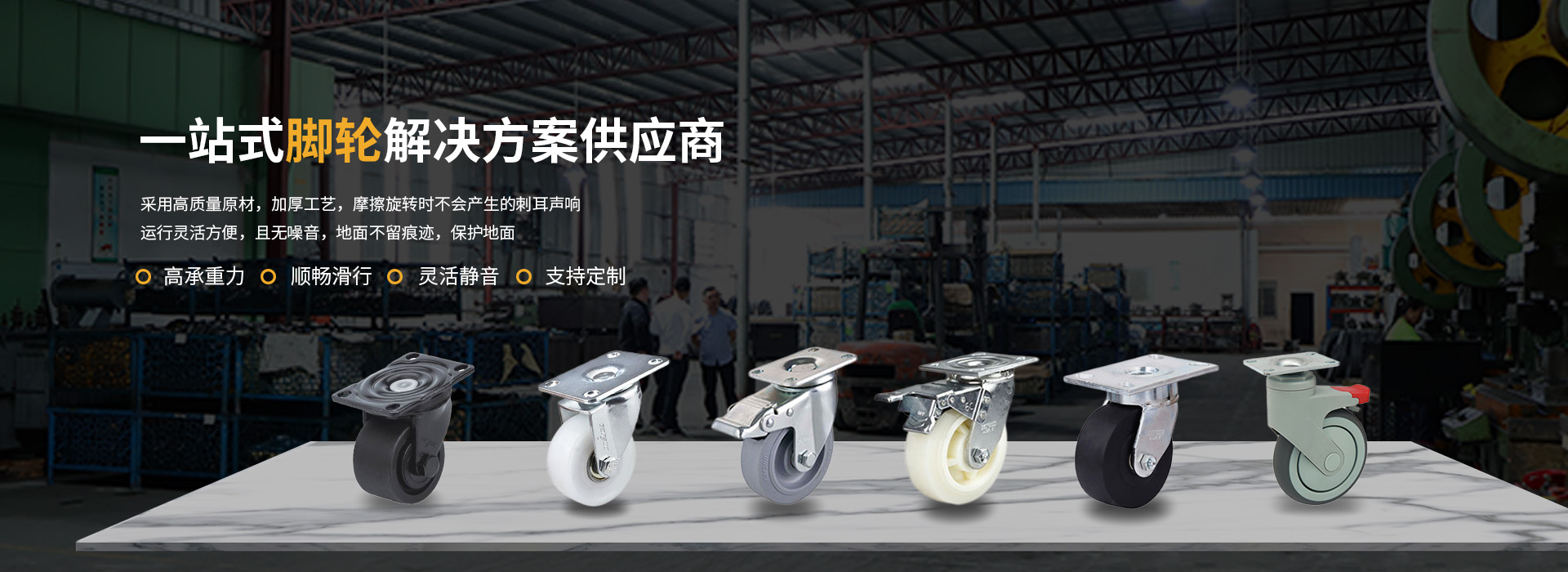
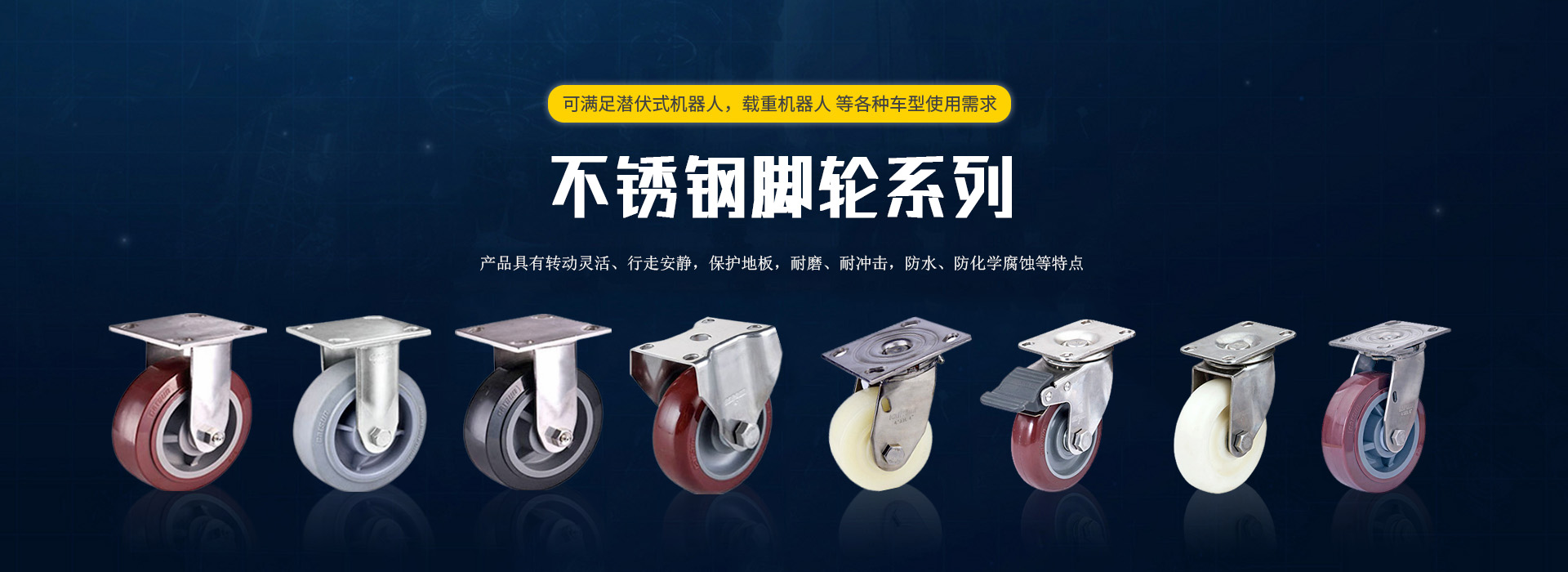
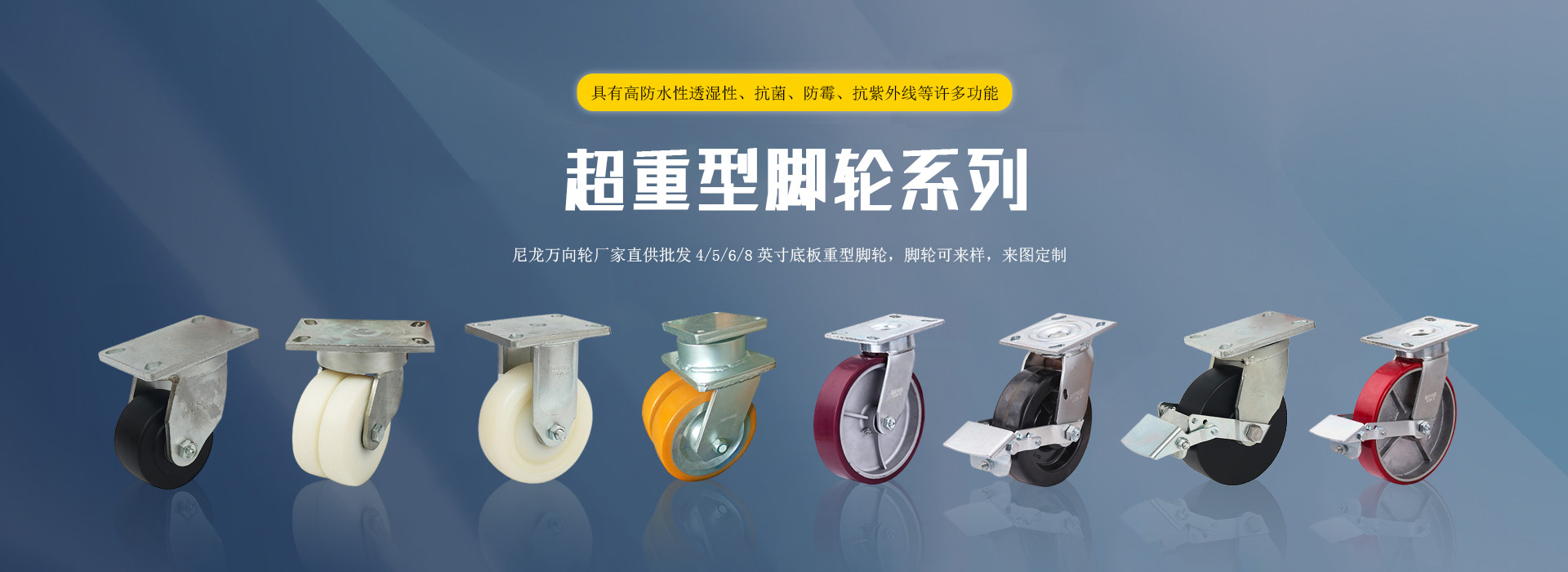

Swivel casters are typically composed of a frame and a wheel, also known as a single wheel. The frame is usually made of metal, but there are also plastic ones, which we commonly refer to as all-plastic frames. The furniture caster industry predominantly uses plastic frames. In our industry, however, metal frames are more commonly used.
One: Casters can be categorized into directional casters and swivel casters. Directional casters are equipped with a single wheel on their支架, allowing movement only in a straight line. Swivel casters, on the other hand, feature a single wheel mounted on a base that can rotate 360 degrees, enabling movement in any direction.
Installation Height: Refers to the vertical distance from the ground to the equipment installation location. The installation height of the caster is the greater vertical distance between the bottom plate of the caster and the edge of the wheel. Bracket Swivel Center Distance: The horizontal distance from the vertical line of the center rivet to the center of the wheel core.
Three: Turning Radius: Refers to the horizontal distance from the vertical line of the center rivet to the outer edge of the tire. Proper spacing allows the caster to rotate 360 degrees. The reasonableness of the turning radius directly affects the lifespan of the caster.
Four: Turning: Hard, narrow wheels are easier to turn than soft, wide ones. The turning radius is an important parameter for wheel rotation; a shorter turning radius increases the difficulty of turning, while a larger one can lead to wheel wobble and shortened lifespan.
Five, Maneuverability: Factors affecting the maneuverability of the foot wheels include the structure of the bracket and the selection of the bracket steel, the size of the wheels, the type of wheels, and the bearings. Larger wheels offer better maneuverability. On smooth surfaces, hard, narrow wheels are more energy-efficient than flat, soft wheels. However, on uneven surfaces, soft wheels are more energy-efficient and can better protect and cushion the equipment.
Six. Rolling Load: The load-bearing capacity of casters during movement, also known as dynamic load, varies due to different testing methods in factories and different materials of the wheels. The key factor lies in whether the structure and quality of the支架 can withstand impact and vibration.
Seven: Impact Load - The instantaneous load-bearing capacity of the casters when the equipment is subjected to impact or vibration from the load.
Eight, Static Load: The weight that the casters can bear when stationary. The static load should generally be 5 to 6 times the dynamic load (moving load), and at least twice the impact load.
The construction of casters is simple, but to delve deeper into their application and truly understand them, the following eight points are extensions from the structural design of casters; this is also the formula for the formation of casters; every production and selection of casters adheres to this formula.
