

As wheels evolved from their initial form into today's casters, their usage became quite widespread. Initially, they were simply designed to conserve energy and facilitate the movement of heavy objects. With the continuous development of humanity, the demands for wheels have also grown. Eventually, they transformed into the foot casters we use today, offering enhanced convenience and ease.
Since the invention of the wheel, transporting and moving objects has become much easier. However, wheels could only move in a straight line, making it very difficult to change directions when transporting heavy objects. Later, people invented wheels with a steering structure, now commonly referred to as swivel wheels or casters, collectively known as "wheelbarrows." The introduction of casters has brought about a revolutionary change in people's ability to transport, especially move objects. Not only can they be easily moved, but they can also be maneuvered in any direction, significantly improving efficiency.
The presence of casters greatly enhances convenience in our daily lives. We all know that wheels can alleviate the burden of carrying heavy loads, making transportation easier. However, ordinary wheels can only move forward or backward, which can be麻烦 when it comes to changing directions. Now, the diverse characteristics of casters have solved this issue.
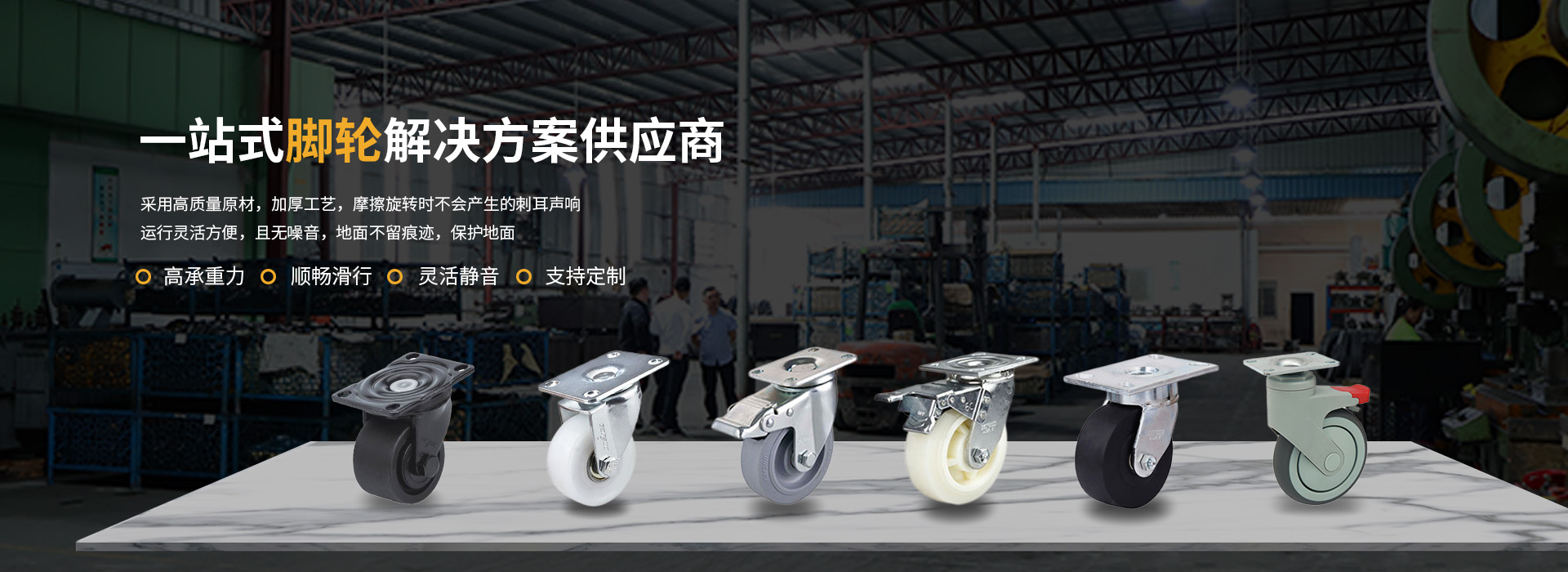
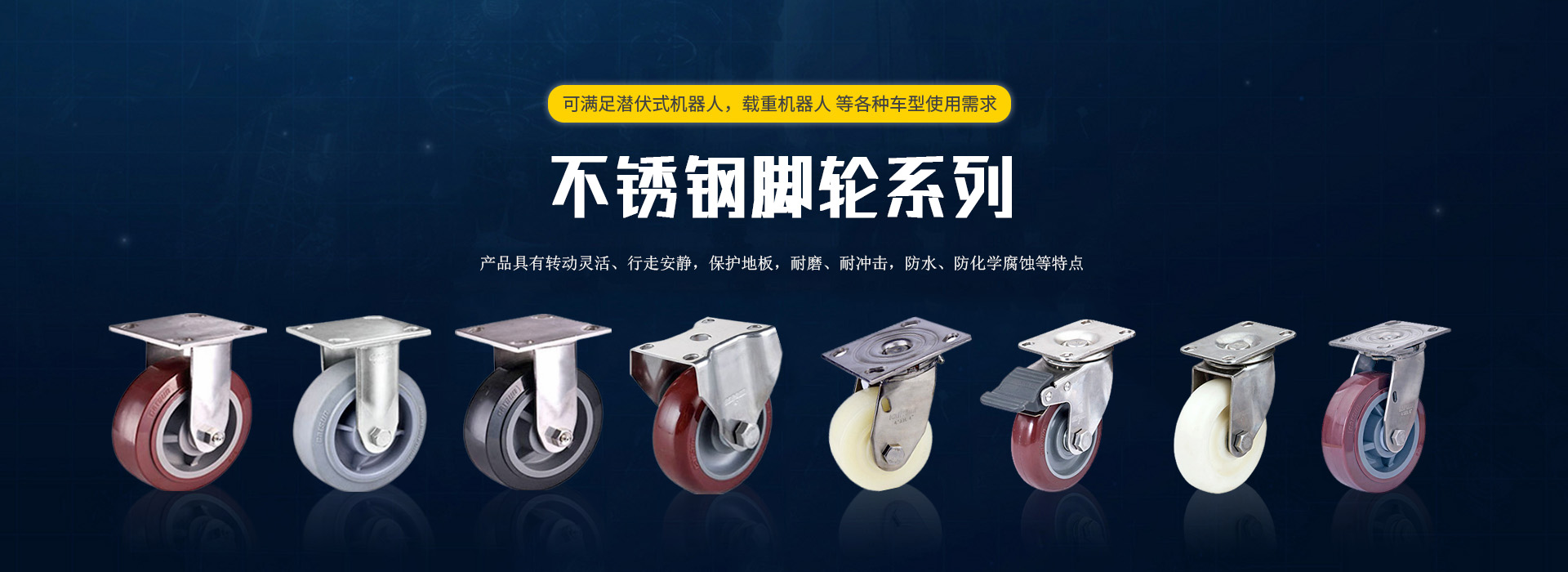
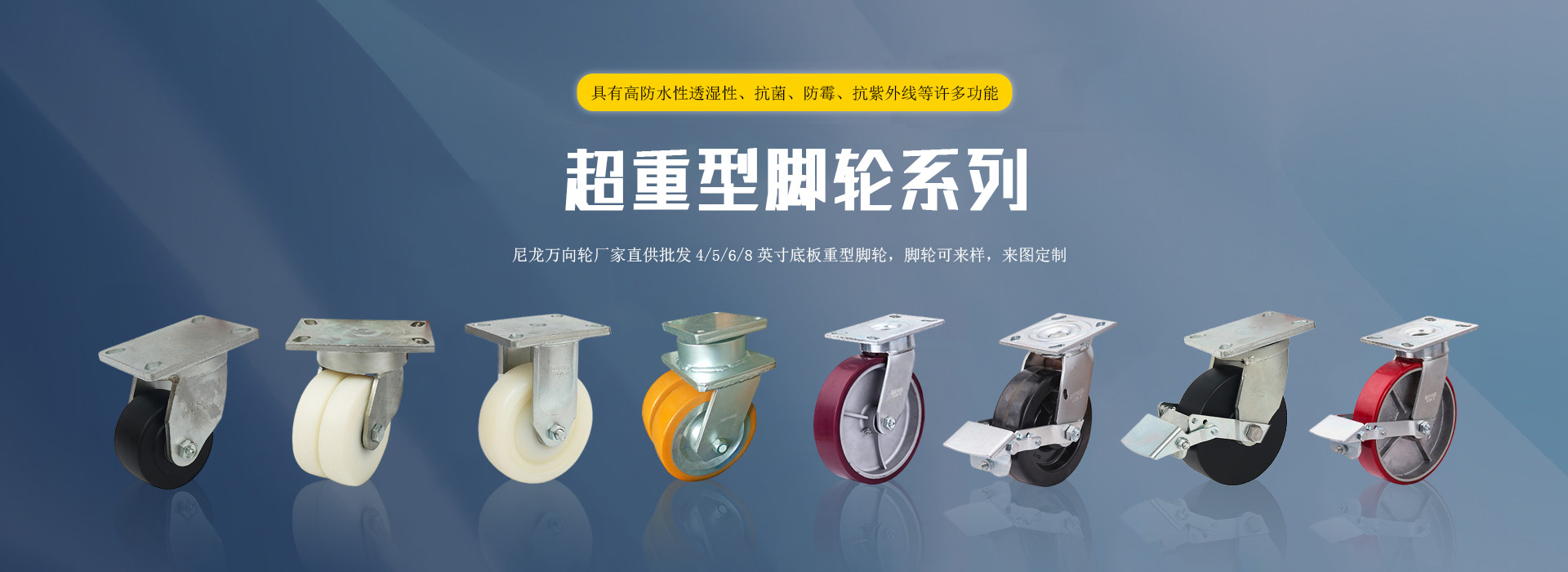
Activity casters, also known as swivel casters, feature a structure that allows 360-degree rotation; fixed casters, also called directional casters, lack a rotating mechanism and cannot turn. Typically, both types of casters are used together, such as in the design of a handcart, where the front features two directional wheels, and the two swivel casters are located near the push handle.
As modern technology continues to advance, casters have become involved in various industries. To meet the needs of different sectors, a wide array of caster designs is continually invented to adapt to the current environment. Therefore, casters have become an indispensable component, and the development of casters has emerged as a specialized industry.
