

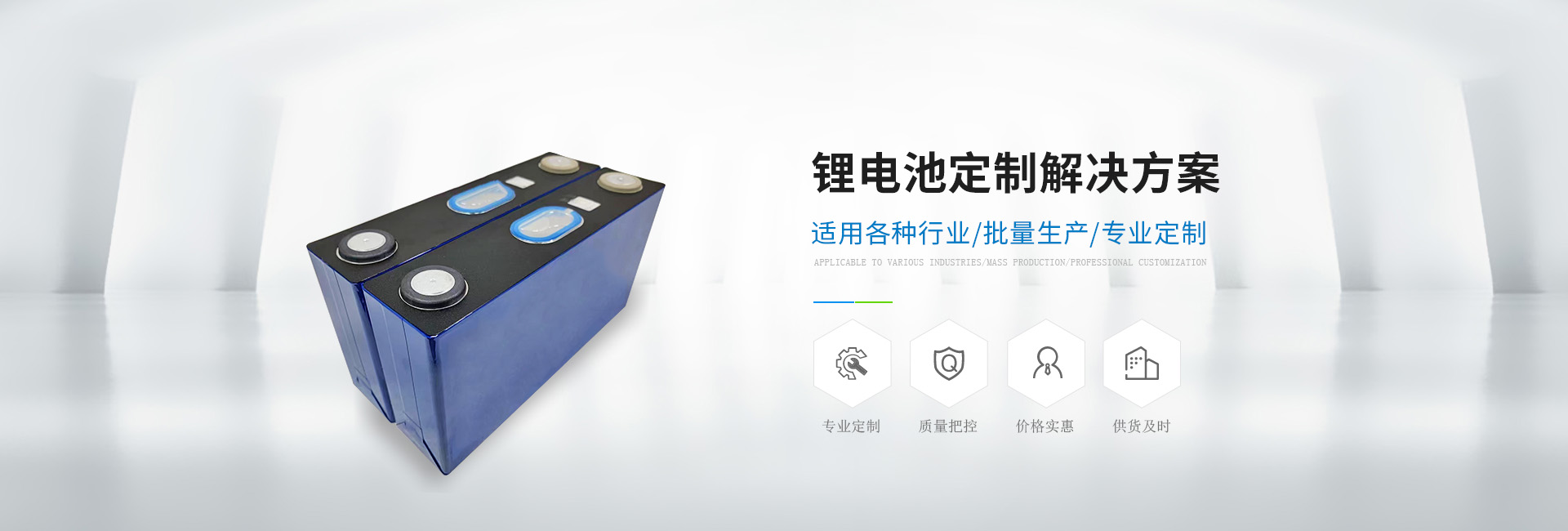


With the rapid development of technology, lithium batteries have been widely used in consumer electronics, electric vehicles, and energy storage due to their high energy density and environmental friendliness. However, in recent years, reports of lithium battery safety incidents have become increasingly common, sparking concerns about the safety of these batteries. This article will delve into the risk factors associated with lithium battery safety, discuss how to prevent and handle related accidents, and ensure safety when using lithium batteries.
One: Risk Factors for Lithium Battery Safety
Battery Quality: Defects exist in the manufacturing process of some low-quality lithium-ion batteries, such as inappropriate material selection and irregular production processes, leading to unstable internal battery structure and a risk of short-circuiting.
Overcharging or over-discharging can cause a lithium-ion battery to generate excessive heat internally. If not dissipated or controlled promptly, it may lead to combustion or explosion.
External Environment: Factors such as high temperatures, collisions, and compressions can potentially damage the internal structure of lithium-ion batteries, leading to safety concerns.
Battery Management System (BMS) malfunctions or suboptimal circuit design can lead to overcharging or over-discharging of batteries, increasing safety risks.
Misuse: Improper or misuse of lithium-ion batteries, such as using non-original chargers or using lithium-ion batteries with non-designated equipment, may lead to safety accidents.
Battery Safety Precautions
Choose Genuine Brands: When purchasing lithium batteries, opt for reputable brands and channels to ensure the battery quality meets relevant standards.
Proper Usage: Use lithium-ion batteries strictly according to the product manual and operational guidelines, avoiding overcharging, over-discharging, and misuse.
Proper Storage: Store lithium-ion batteries in a cool, dry, and well-ventilated area, away from heat, flames, and flammable materials.
Regular Inspections: Conduct regular inspections of lithium-ion batteries, checking their appearance, charge, and usage status, and address any issues promptly.
Equipped with Protection Devices: When using lithium batteries, it is essential to have the corresponding protection devices, such as Battery Management Systems (BMS) and overcharge protection devices, to enhance safety.
Establish an Emergency Response Mechanism: Familiarize with emergency response procedures for lithium battery safety accidents, equip with fire extinguishing equipment and safety warning signs, ensuring prompt response in emergencies.
Enhanced Training Programs: Conduct safety and training sessions for personnel using lithium-ion batteries, enhancing their awareness of battery safety and emergency response capabilities.
Participate in Industry Exchanges and Collaborations: Actively engage in the lithium-ion battery industry association's exchanges and collaborations, jointly discussing and researching battery safety issues.
Stay Updated on New Technologies and Trends: Keep an eye on the latest developments and trends in the lithium battery field, promptly stay informed and adopt safer battery and management technologies.
Established a comprehensive safety management system: Developed and implemented a safety management system for the use and maintenance of lithium batteries, ensuring effective execution of all safety precautions.
