

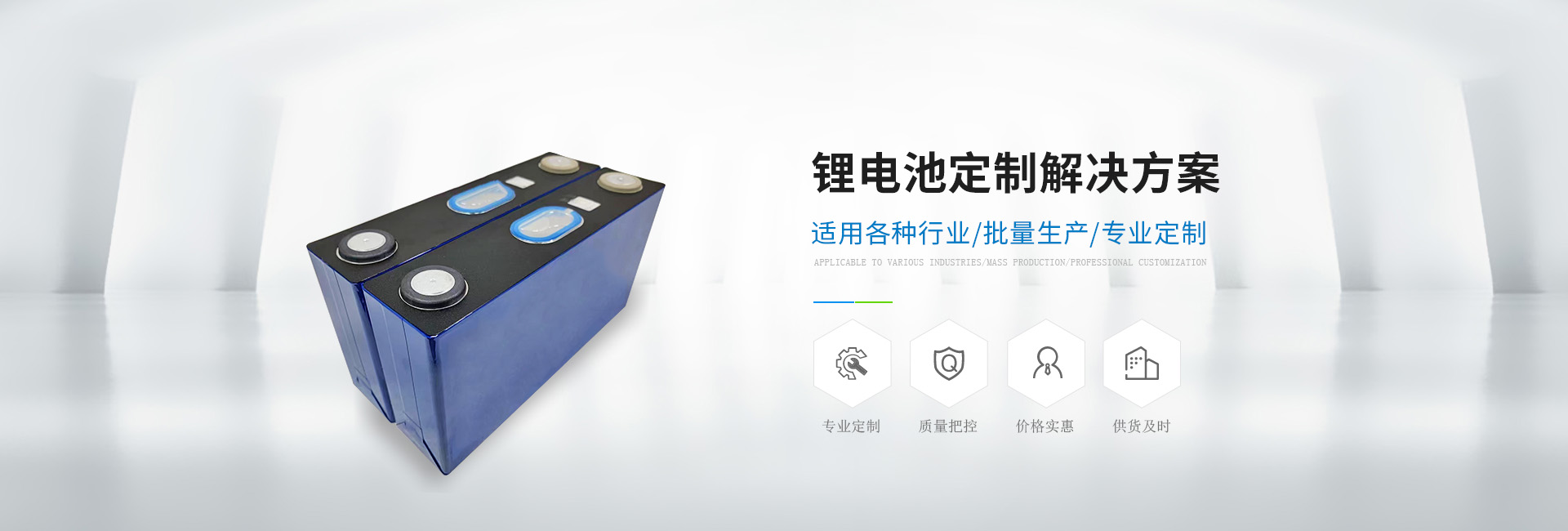


Lithium-ion battery cells are a new type of battery commonly used in applications such as mobile power banks, motorcycles, cars, electronic devices, and various other portable electronic gadgets.
The lithium-ion battery cell is assembled from a series of cathode, anode materials, separator materials, electrolyte, and some other components. It primarily consists of three parts: the electrode, electrolyte, and housing.
Electrodes are components that facilitate electrolytic reactions by providing electrons and their carriers. The positive electrode is composed of positive electrode material and active substance, while the negative electrode contains negative electrode material and active substance. The exchange of ions between electrodes enables charging or discharging.
Electrolytes, based on electrical conductivity, act as the medium for electrolytic reactions. Ions flowing within them are individually absorbed, facilitating charge transfer, which is essential for the charging and discharging process.
The housing provides protection against moisture and corrosion for electrode components and other internal parts, offering a protective shell for the battery cell while aiding in module heat dissipation. Additionally, it includes another critical component in the small cell—the acid concentration control plate—specifically designed to maintain a controlled level of acidity in the electrolyte, ensuring battery safety and longevity.
In addition, there are various other components such as interfaces, safety circuits, over-discharge protection circuits, temperature sensing elements, over-charge protection circuits, and more. Overall, a lithium battery cell is an integrated system made up of many components with precise integration. Its outstanding advantages lie in its lightweight, compact size, high capacity, high efficiency, long cycle life, and high safety. Moreover, the overall dimensions of this system are more compact, thus meeting the functional requirements of various sizes and shapes.
