

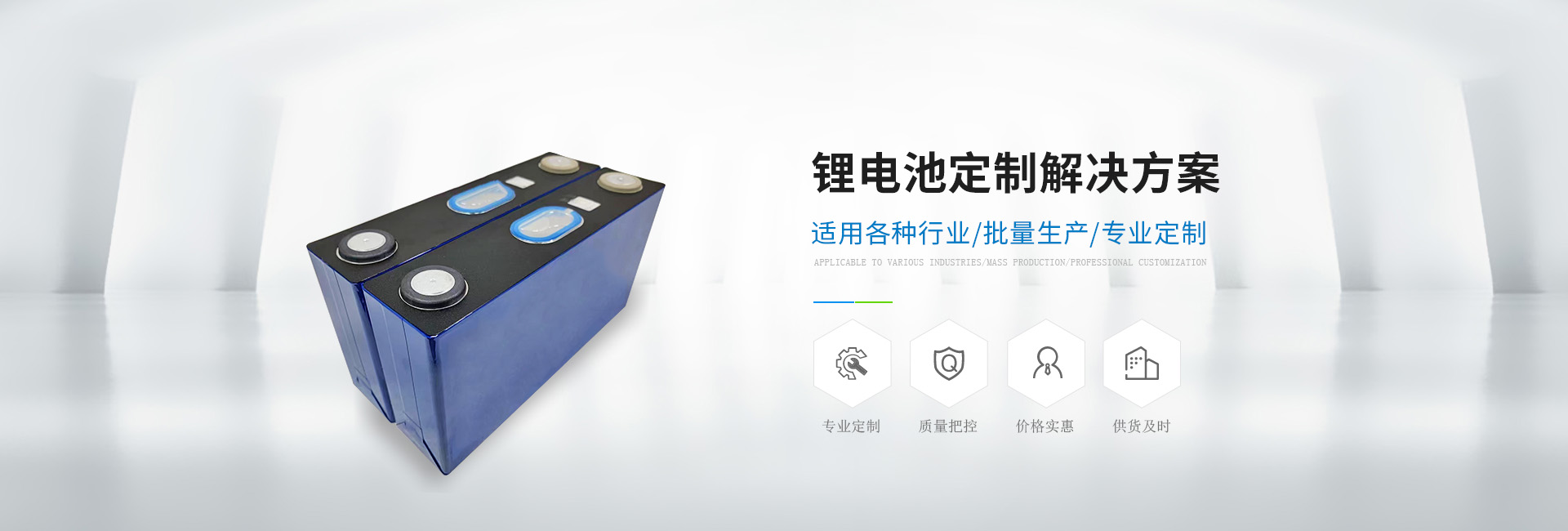


Lithium batteries, as a commonly used energy storage device, have extensive applications in electronic products, transportation, and energy storage. However, due to the close relationship between battery performance and temperature, both excessively high and low temperatures can lead to a decrease in battery capacity, power, and lifespan. Therefore, temperature control of the battery is essential.
Battery performance typically varies with temperature. As temperature rises, the chemical reactions within the electrolyte accelerate, leading to increased charge density and ion migration speed, thereby expanding the electrolyte's capacity and enhancing output power. However, excessive heat can cause the battery to vaporize and expand, resulting in electrolyte leakage and battery damage. Conversely, at low temperatures, the slowed chemical reactions within the battery increase resistance, decrease ion migration speed, and reduce capacity and output power. Moreover, extremely low temperatures can freeze the battery, leading to damage.
Therefore, to ensure the operational status and lifespan of lithium batteries, proper temperature management is crucial. This can be achieved through two types of control methods. Adding heat sinks to the battery enhances the insulation capabilities of the battery casing, thereby controlling the internal temperature. As for external temperature control, it can be achieved with temperature sensors or battery heaters.
Therefore, in practical applications, the temperature characteristics of lithium batteries greatly impact their performance. With technological advancements and innovations in the production process of lithium batteries, the temperature management technology for lithium batteries has been further enhanced. The implementation of this project is of great significance in improving the stability and reliability of lithium-ion batteries, as well as promoting their widespread application.
