
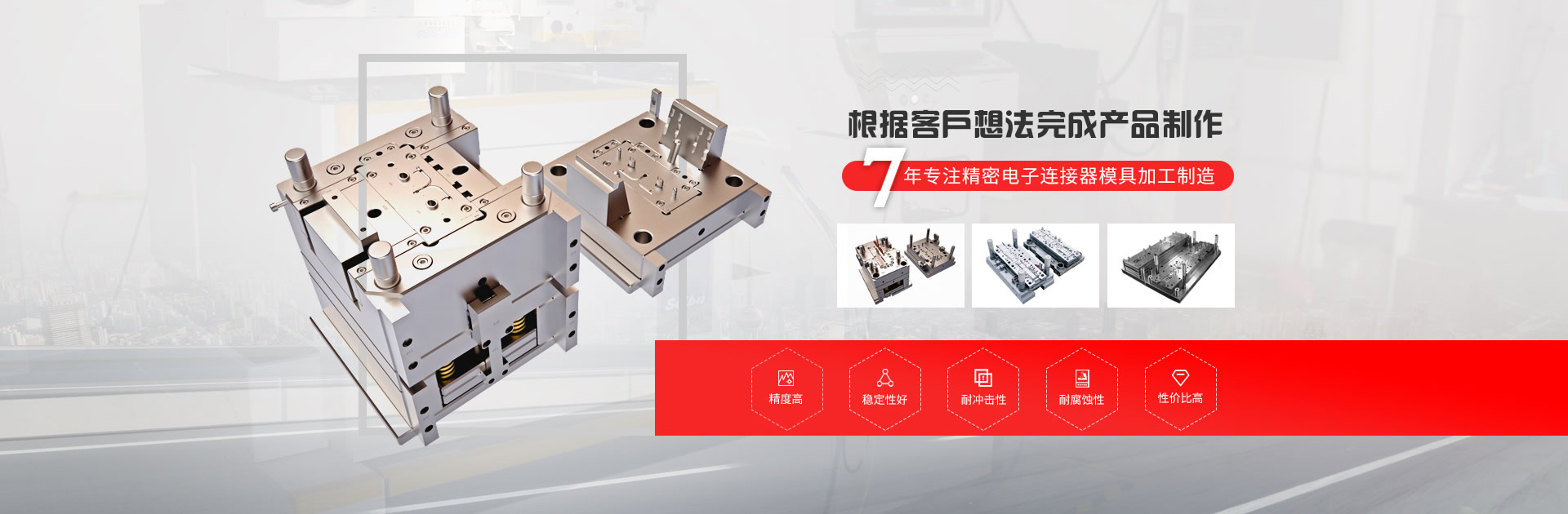
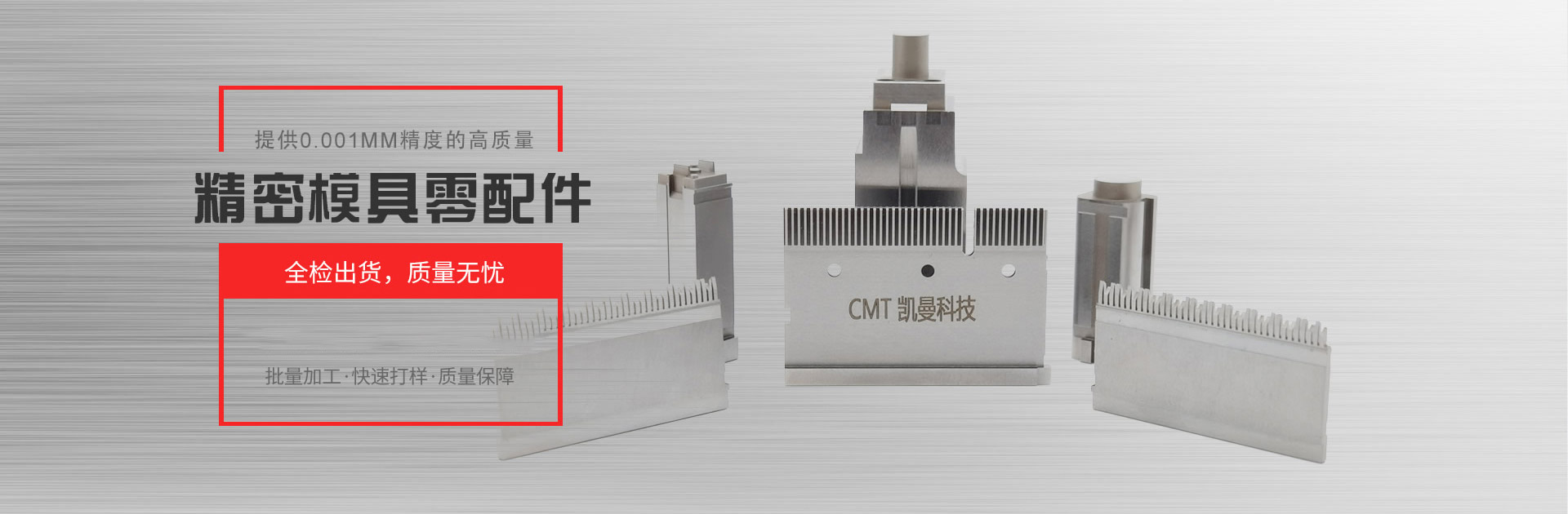

Connector mold requirements are relatively high. What should be noted during design and processing?
Connector terminal mold must have sufficient rigidity to meet the requirements for lifespan and precision.
2. The structure should be as simple and practical as possible, with reasonable economy and conducive to the processing of mold parts.
3. Easy to deliver materials, with simple and secure operation, and easy to dispatch products.
4. The positioning between connector terminal mold parts must be accurate and reliable, with firm connections.
5. The connector terminal mold structure must be compatible with the existing stamping equipment, allowing for easy installation and convenient replacement of wearing parts.
Connector Mold Processing Precautions
High processing accuracy required: The combination of the upper and lower molds, the fitting of inserts with cavities, and the assembly of modules all demand a high degree of precision in manufacturing. The dimensional accuracy of precision molds often reaches the μm level.
2. Complex shapes and numerous processes: Certain products, such as 5G base station connectors, automotive connectors, and mobile phone back panel connectors, feature surfaces composed of multiple curved shapes.
3. Corrosion and Abrasion Resistance: The surface treatment layer of metal structural components and contact parts may experience electrochemical corrosion, necessitating excellent corrosion resistance. As connectors are frequently used, their abrasion resistance must be ensured to meet the product's lifespan requirements.
Connectors molds require careful attention to various issues in both design and manufacturing. In summary, the structure of connector molds is relatively complex, and the requirements for each process are high. It is imperative that we strictly adhere to the operational specifications and precautions during connector mold operations.
