
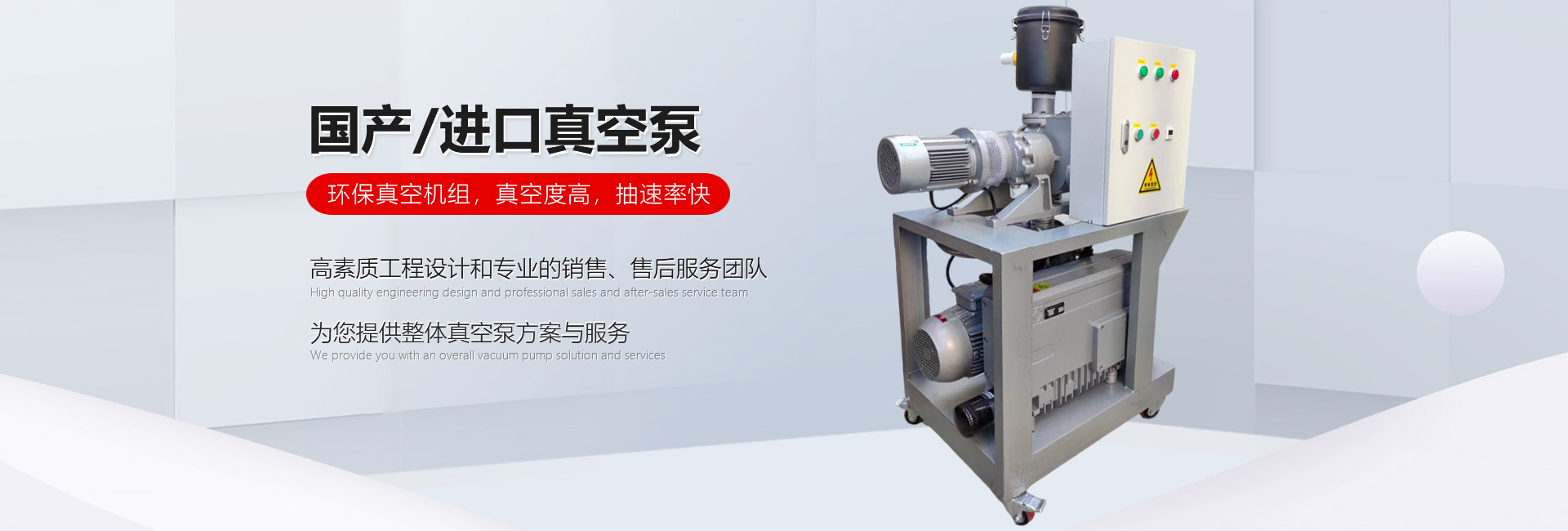
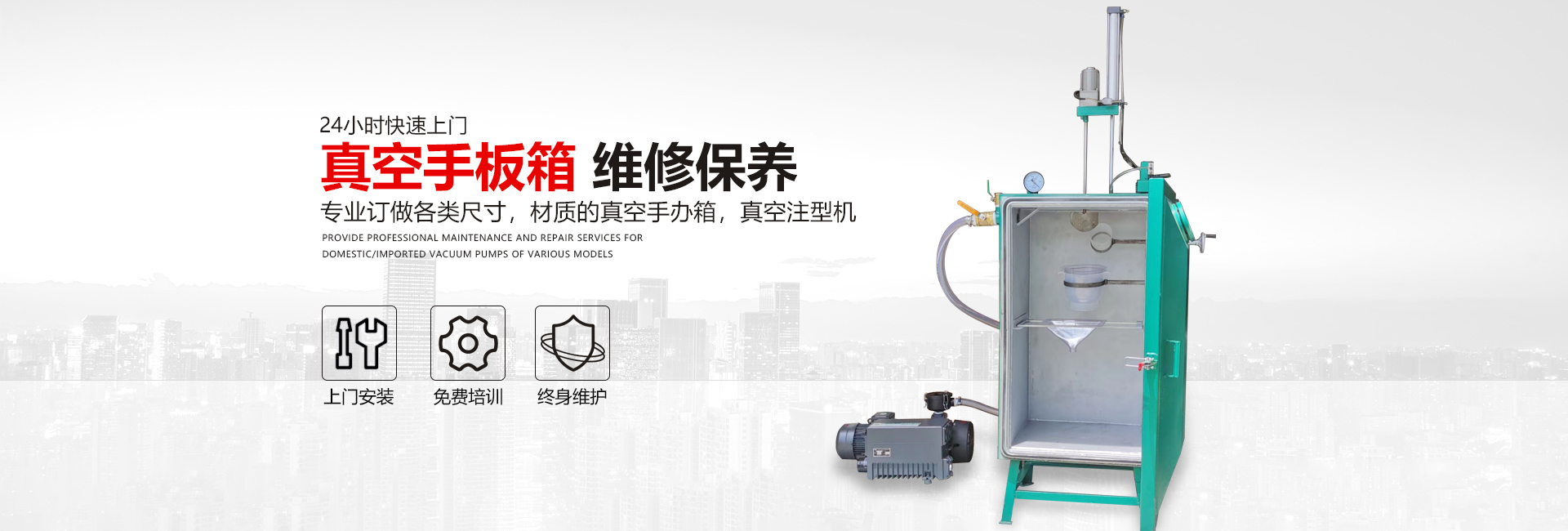
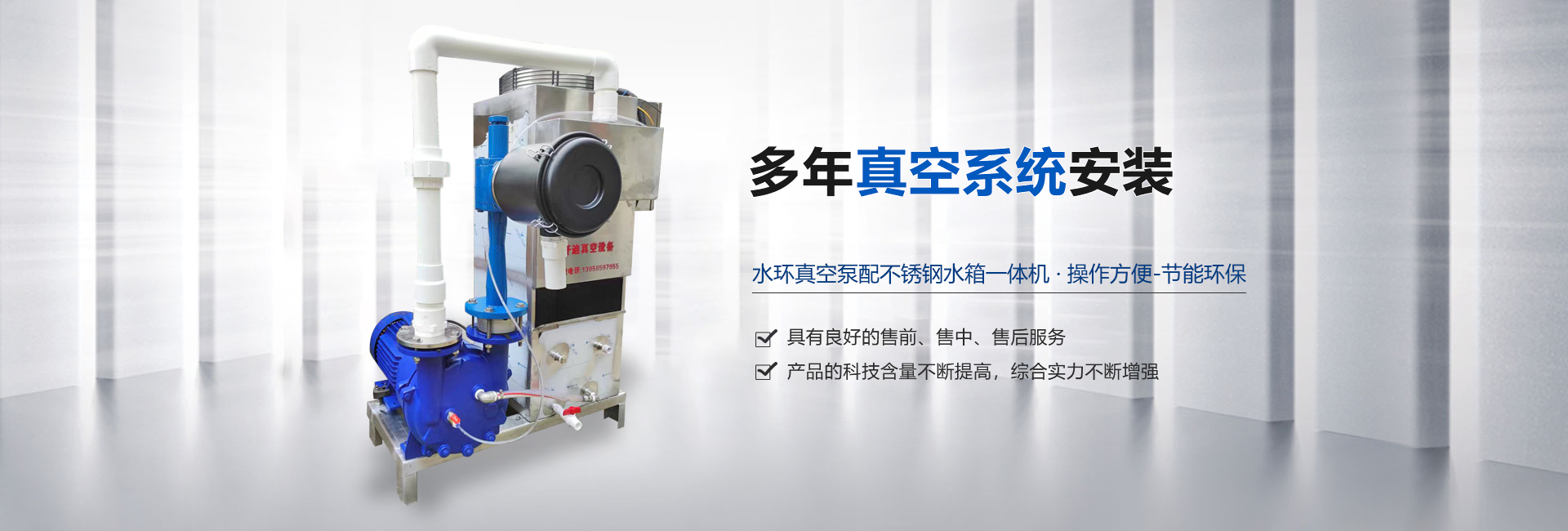
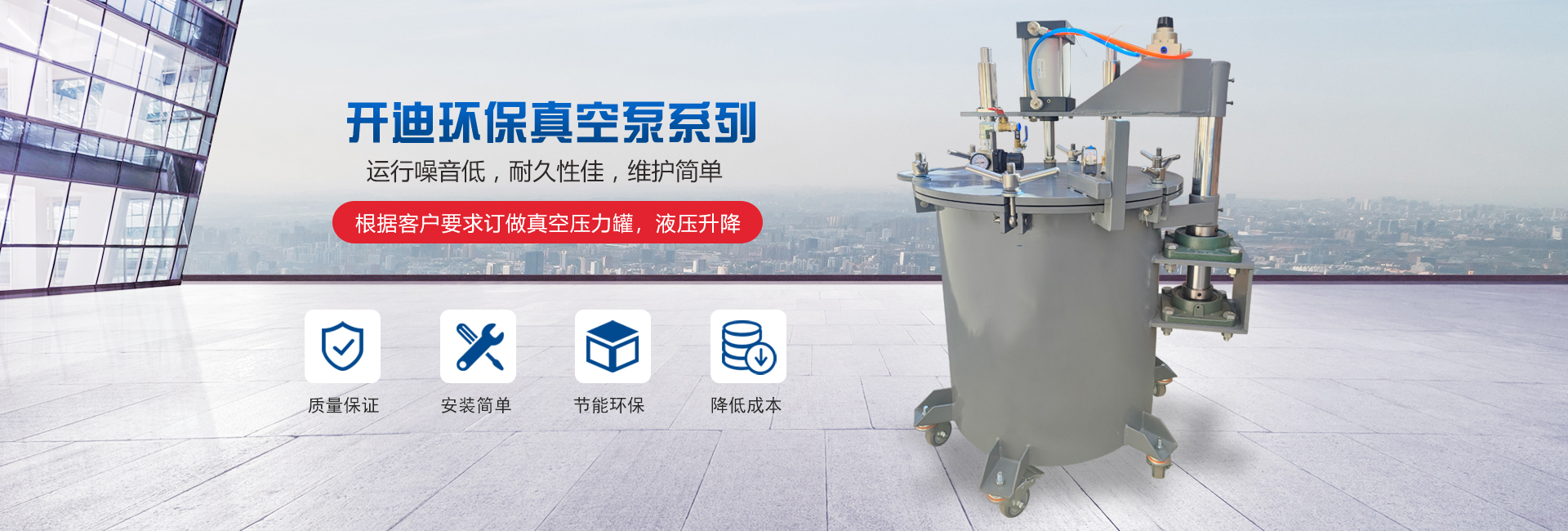

To extend the lifespan of vacuum pumps, several measures can be taken:
Proper Operation: Operate the vacuum pump according to the user manual and operational guidelines, avoiding overload or continuous operation for extended periods. Pay attention to the startup and shutdown sequence to prevent frequent cycling. Avoid using the vacuum pump in high-temperature, high-humidity, or corrosive environments.
Regular Maintenance: Perform regular maintenance on vacuum pumps, including the timely replacement of lubricating oil, cleaning the filters and cooling systems, inspecting the wear on seals and sealing surfaces, etc. Ensure the optimal operation of all vacuum pump components.
Maintain a controlled work environment by minimizing the impact of dust, particulate matter, and moisture on vacuum pumps. When using vacuum pumps, keep the work area clean to prevent dust and particles from entering the pump, utilize dry gas, and avoid the accumulation of moisture.
Adjust Vacuum Levels: Adjust the vacuum level according to actual needs. Avoid overloading and excessive vacuum levels that can put undue pressure and wear on the vacuum pump.
Regular Inspections and Maintenance: Regularly inspect and maintain all components and seals of the vacuum pump to promptly identify and repair any issues. If abnormal noises, vibrations, or temperature increases are detected, stop using the pump immediately and conduct repairs.
Storage and Protection: If a vacuum pump is not to be used for an extended period, it should be stored in a dry, well-ventilated environment free of corrosive gases, avoiding prolonged exposure to moisture and corrosive substances. Before storage, the vacuum pump should be thoroughly cleaned and dried.
In summary, proper operation, regular maintenance, controlling the work environment, adjusting the vacuum level, regular inspections and repairs, as well as storage and protection, are all crucial measures to extend the lifespan of vacuum pumps.
