

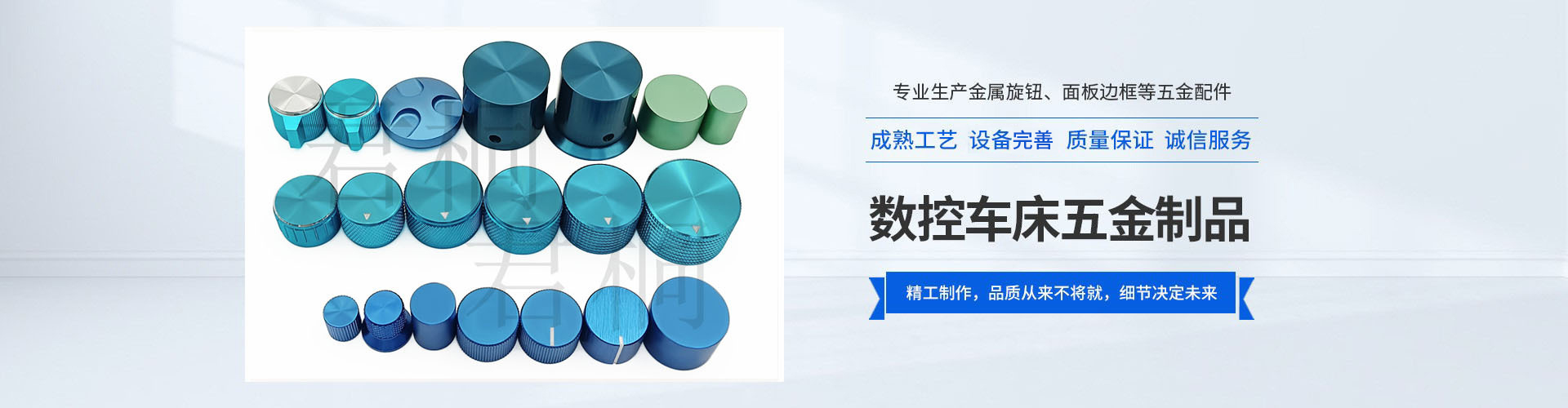
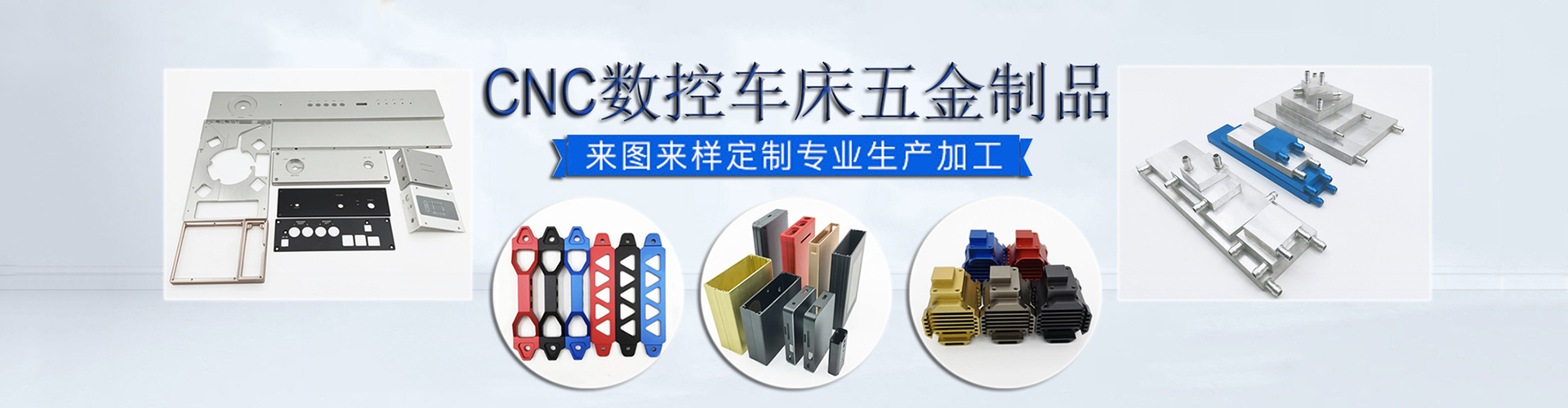

Rotary switches have a wide range of applications, such as in kitchen or bathroom settings at home. Due to their crucial role, it's essential to ensure quality when purchasing to minimize the need for frequent replacements. How should you choose a rotary switch? Let's find out together.
Touch Point Material
When selecting rotary switches, it's important to note the material of the contact. Currently, there are three common materials in the market: pure silver, silver cadmium alloy, and silver nickel alloy. Different materials offer varying performance. Silver cadmium alloy contacts, while offering superior performance, should be approached with caution as cadmium is a heavy metal element that may pose health risks. New products may also exhibit surface particles and electric arcs during conduction. We primarily recommend silver nickel alloy, which is a more worthwhile choice in all aspects. It boasts good conductivity and high hardness, thus avoiding issues like rust and oxidation during use.
2. Shell Material
The material of the shell is also a key factor to consider. Generally, high-quality shells are made of PC material, which boasts excellent impact resistance and high-temperature resistance, and also tends to avoid discoloration during use.
Weigh the weight.
You can also gauge the quality of the product by feeling its weight. High-quality rotary switches are typically made of copper-silver alloy, so they're usually not overly lightweight. You can also test the switch; a good one will usually have a springy, responsive feel.
