
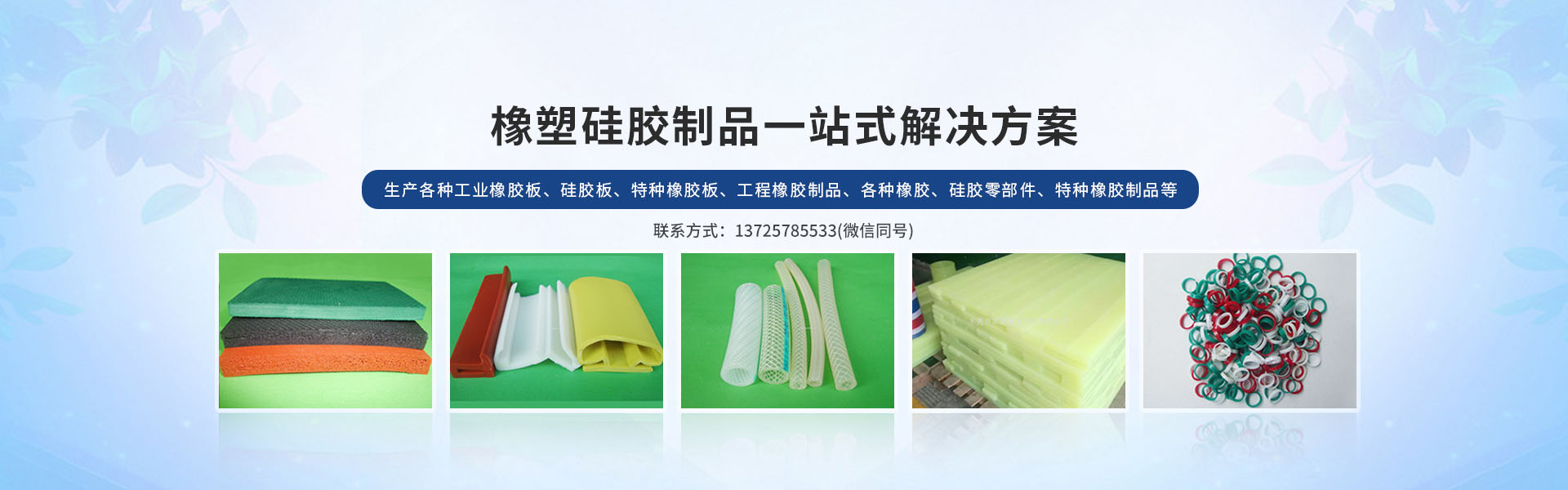
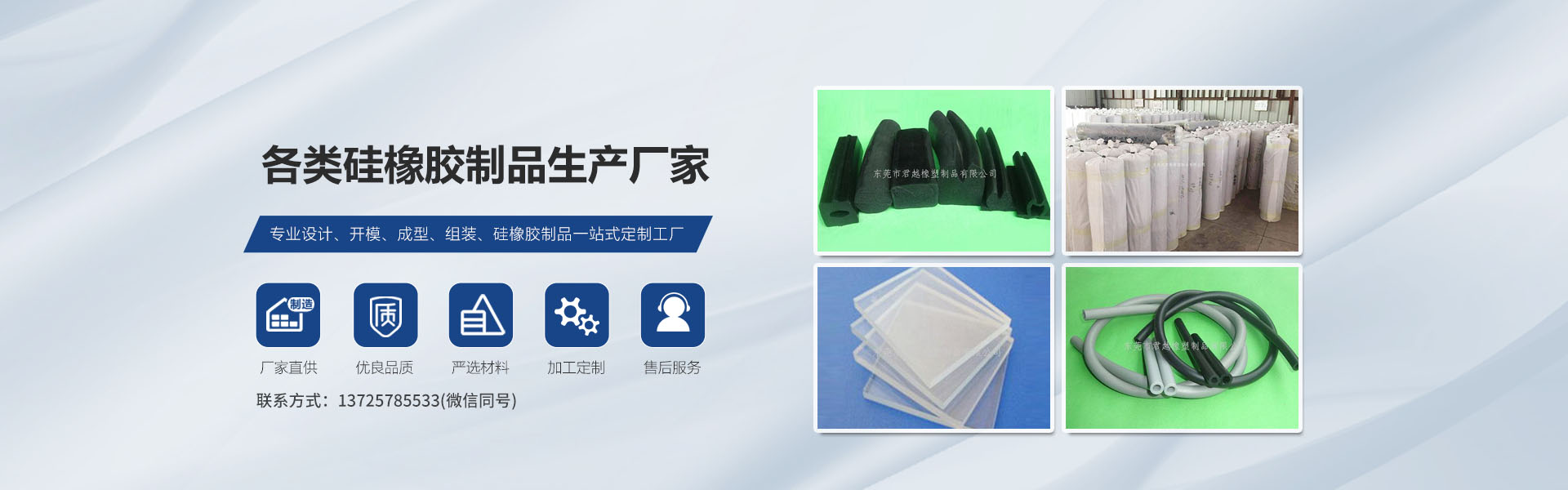
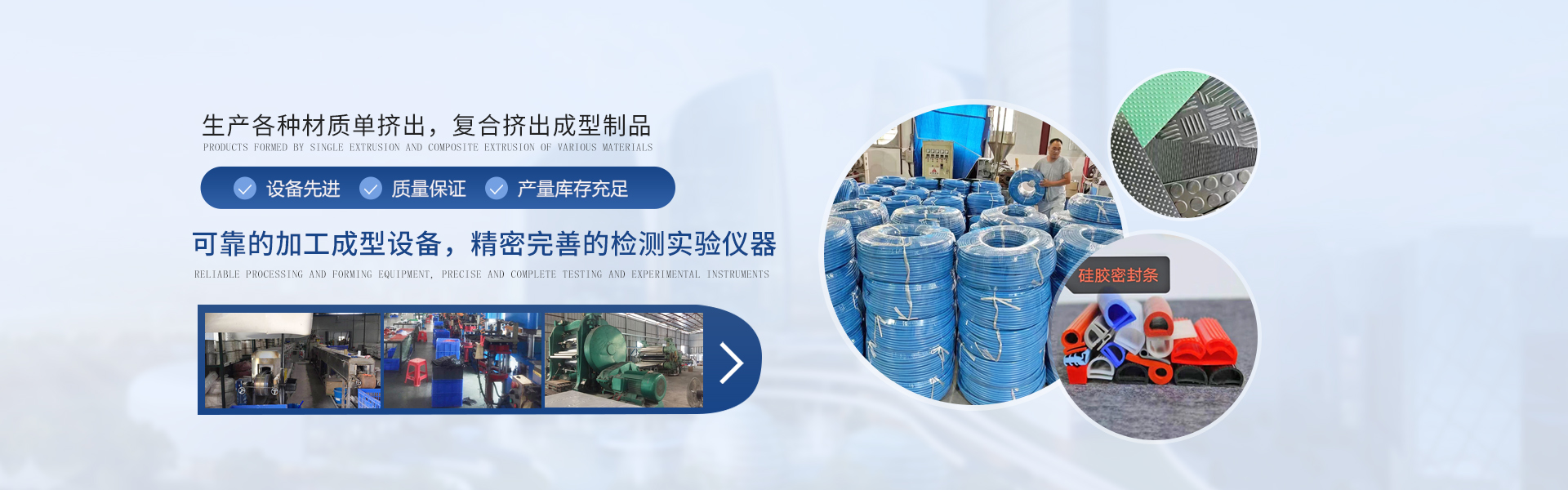

Silicone boards feature unique performance characteristics, including the following aspects:
High Thermal Stability: Silicone sheets boast excellent thermal stability, maintaining superior performance in high-temperature environments.
2. Flexibility: Silicone boards are soft and elastic, adaptable to various shapes and sizes of surfaces.
3. Non-Toxic & Odorless: The silicone sheets are non-toxic and harmless, safe for contact with food.
4. Waterproofing: Silicone boards boast excellent waterproof properties, preventing the penetration of various liquids and gases.
5. Abrasion Resistance: Silicone boards are highly wear-resistant and durable, making them suitable for long-term use.
The performance features of silicone boards determine their wide application in various fields, mainly including the following aspects:
Silicone boards are suitable for manufacturing electronic components, circuit boards, thermal conductive materials, and more.
Silicone boards are suitable for processing a variety of foods, such as bread, pastries, and chocolate, as they can come into direct contact with food and are waterproof.
3. Mold Making: Silicone boards are suitable for making molds, such as casting molds and rubber molds, as they can accommodate various shapes and sizes of surfaces.
Silicone board boasts features such as heat stability, flexibility, and waterproofing, which make it widely applicable in various fields. However, it also has limitations, primarily manifested in the following aspects:
Cost-Intensive: The production process for silicone boards is relatively complex, resulting in higher costs.
2. Insufficient hardness: Silicone plates have good flexibility, but their hardness is insufficient, making it difficult to process complex surfaces.
3. Poor chemical stability: Silica boards are somewhat sensitive to certain chemicals such as acids and bases, and are prone to corrosion.
Silicone sheets, as a unique new material, possess numerous distinctive characteristics and can be widely applied in various fields. However, it is also important to note that they come with higher costs, insufficient hardness, and poor chemical stability. In practical applications, selection should be made based on specific circumstances.
