
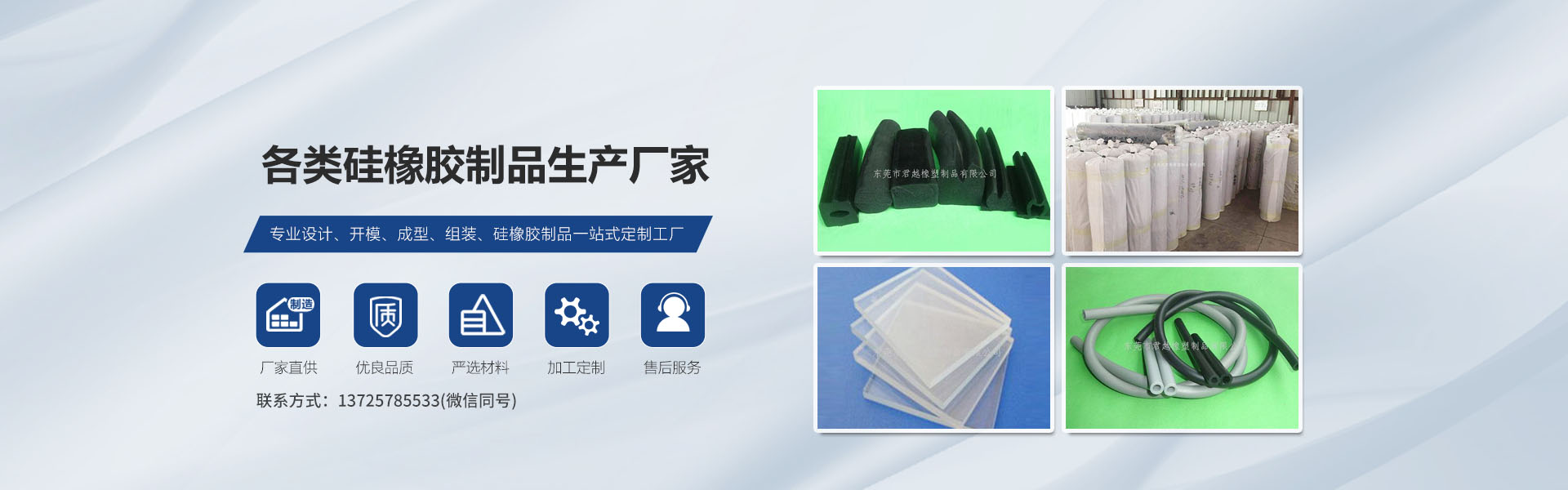


The key to windows and doors lies in their sealing effectiveness, with rubber seals playing a crucial role. Sealing strips in architectural windows and doors must possess sufficient tensile strength, good elasticity, excellent temperature resistance, and aging resistance, with scientifically reasonable cross-sectional dimensions that match the profiles of the windows and doors. These sealing strips are used to seal the glass, sashes, and frames, and play a decisive role in sound insulation, dust prevention, frost prevention, and thermal insulation.
In the past, the material for sealant strips was generally PVC modified, with the plasticizer being the key component. Currently, more stable plasticizers include dioctyl phthalate and dibutyl phthalate, though they are priced higher in the market. As a result, some small manufacturers substitute with cheaper alternatives. These risks manifest as:
1. Poor sealing of doors and windows. Poor-quality sealant strips contain inferior plasticizers or substitutes, which tend to age, harden, and contract during winter. This leads to gaps between glass and profiles, causing water leakage and dust entry. Many users often find red liquid oozing out from the sill of plastic windows during the rainy season. This is due to corrosion of the steel liner when water enters between the window glass and the sealant strip. Not only does this greatly reduce the aesthetic appeal of doors and windows, but it also significantly affects their lifespan.
2. The rubber strip surface is experiencing oil leakage. Waste engine oil and PVC are not compatible with sealing strips, leading to easy oil buildup on the surface. This results in yellow stains on the profile surface, is environmentally unfriendly, has an odor, and pollutes the air.
Now, as the quality of windows and doors continues to improve and quality awareness grows, PVC sealant strips are being gradually replaced by三元乙丙sealant strips.
