
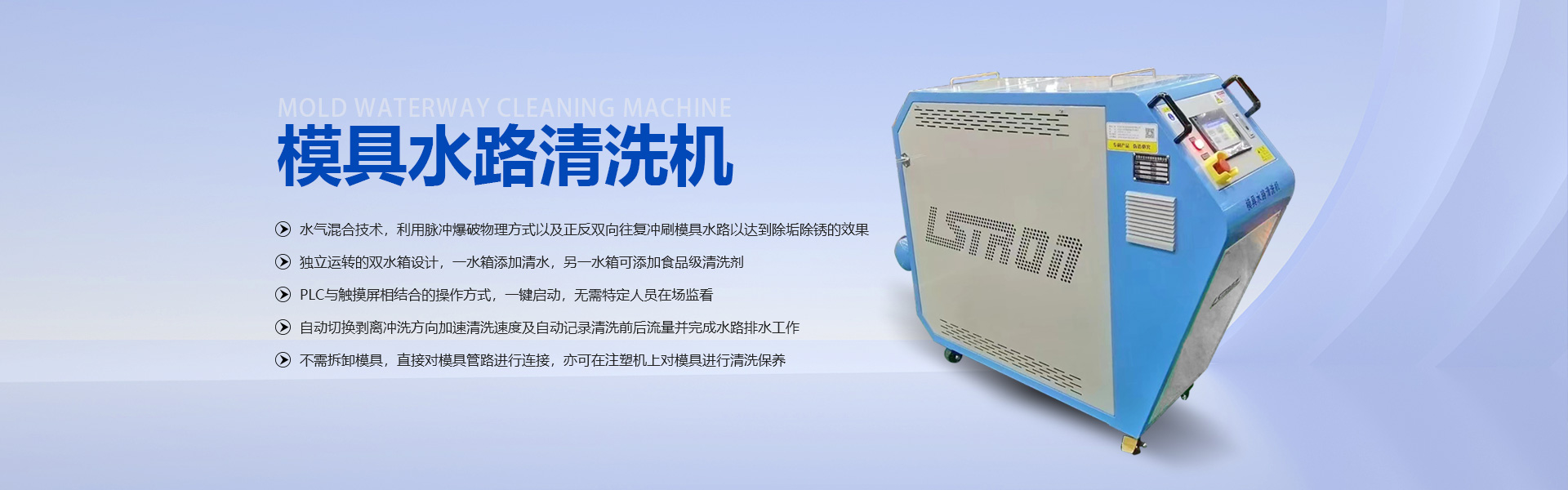

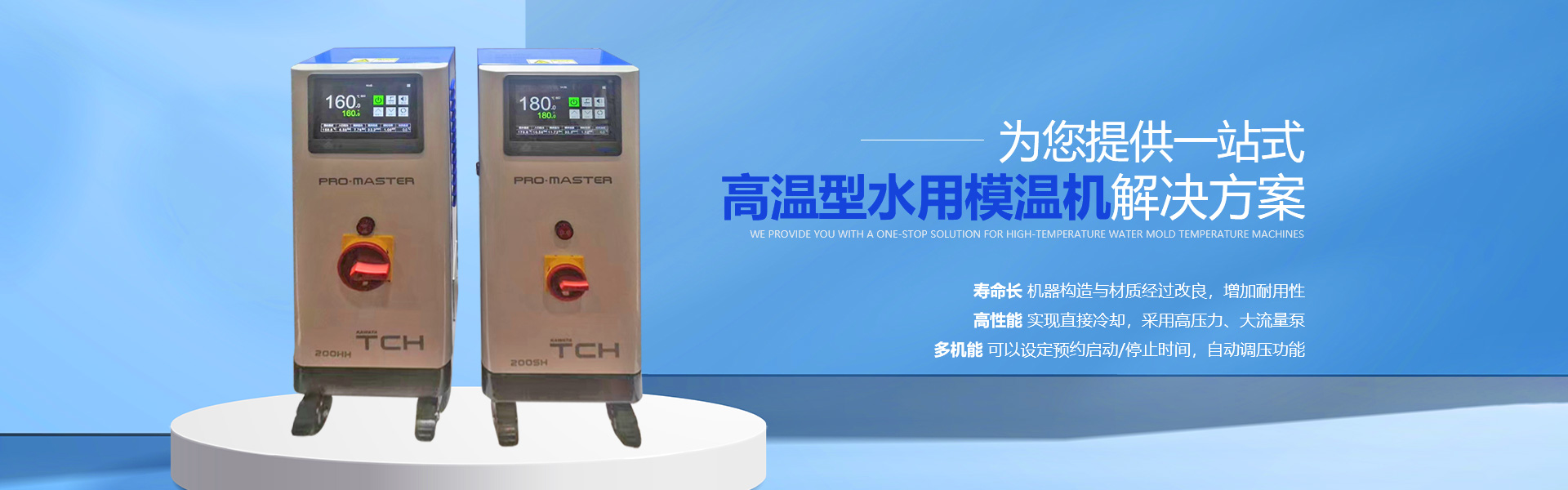

The mold waterway cleaning machine utilizes a high-pressure water-air mixture technology, injecting high-compression air into the high-speed water flow to remove adherents and corrosive substances from the mold cooling water channels through the combination of high-speed water jets and aerated compressed air. It rapidly and effectively automates the cleaning of cooling waterways, shortening cooling time, enhancing production efficiency, improving product quality, without damaging the mold waterways, and facilitating the maintenance of cooling waterways. It has now become the ideal choice for molding factories.
The use of waterway molds in our lives is extremely widespread. As production and manufacturing continue, the cooling water channels of the molds are prone to accumulate scale, rust, silt, and algae, which reduces the cross-sectional area of the cooling channels. The cooling water channels of the mold heat exchangers are long and slender. Once the cooling channels narrow, it significantly reduces the heat exchange rate between the cooling fluid and the mold, extends the cooling time, unevenly distributes the mold temperature, increases production costs for the enterprise, and severely affects the efficiency and quality of the molding process.
The mold waterway cleaning machine requires no disassembly of the mold, allowing direct connection to the mold's pipeline. It can also be used for cleaning and maintenance of the mold on the injection molding machine. The mold cleaning time is short, reducing the maintenance time, thus directly increasing production efficiency. It features active switching of stripping and cleaning directions to accelerate cleaning speed, as well as active recording of flow rates before and after cleaning, and automatic draining of the waterways.
The Importance of Regular Cleaning and Maintenance for Mold Waterway Cleaning Machines
Based on long-term research, it is determined that when the thickness of the scale on the pipe wall reaches 0.05 mm.
2. The motor power will be increased by 20% to complete the original workload.
Due to the buildup of scale, the oil temperature in the injection molding machine has risen excessively, leading to unstable system pressure.
4. Years of accumulated scale and rust have led to poor cooling effects in the mold water channels.
5. Extended molding cycle has led to decreased output and quality, as well as increased costs.
6. Addressed production halt issues caused by a faulty water cycle system, reducing the costs of irregular maintenance.
