
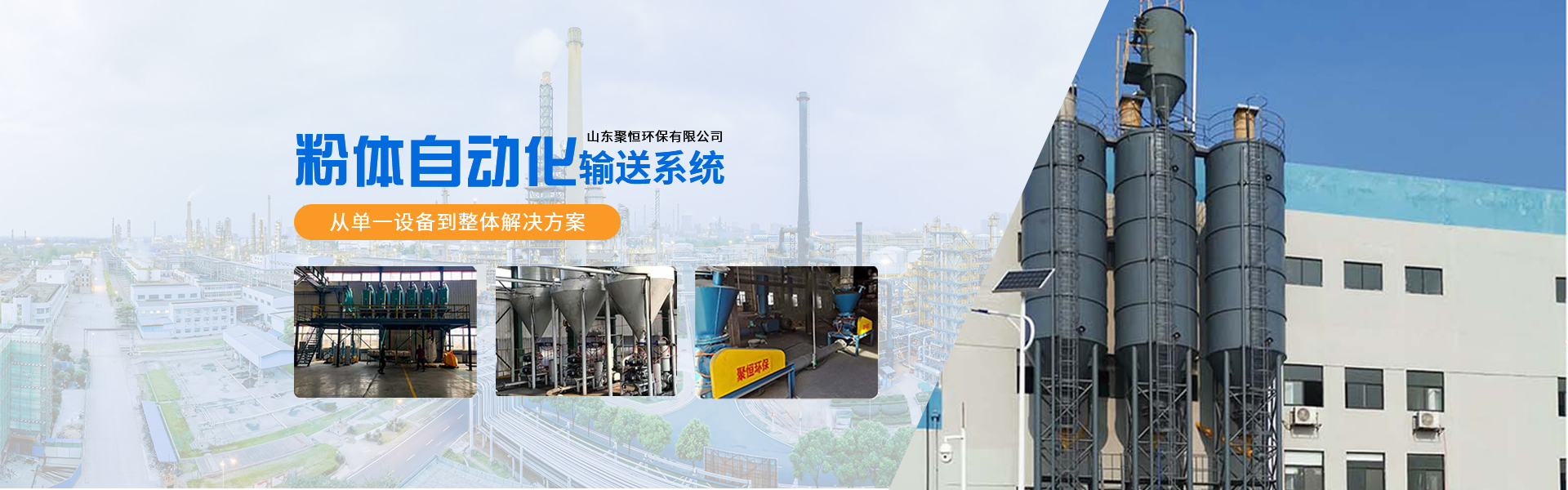
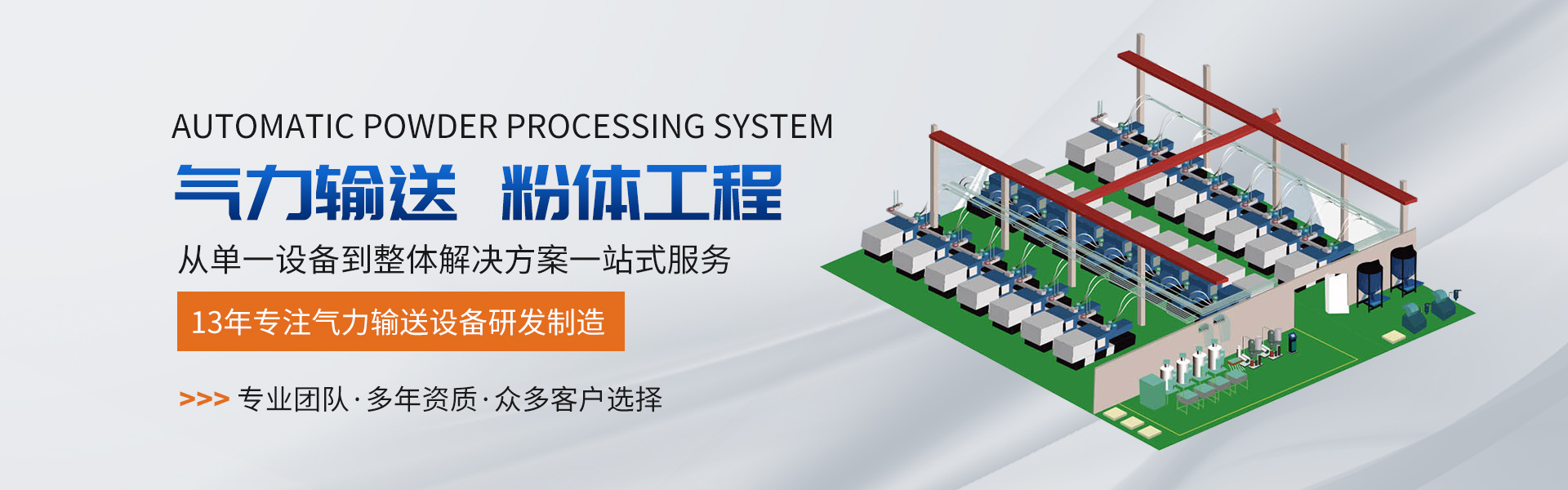
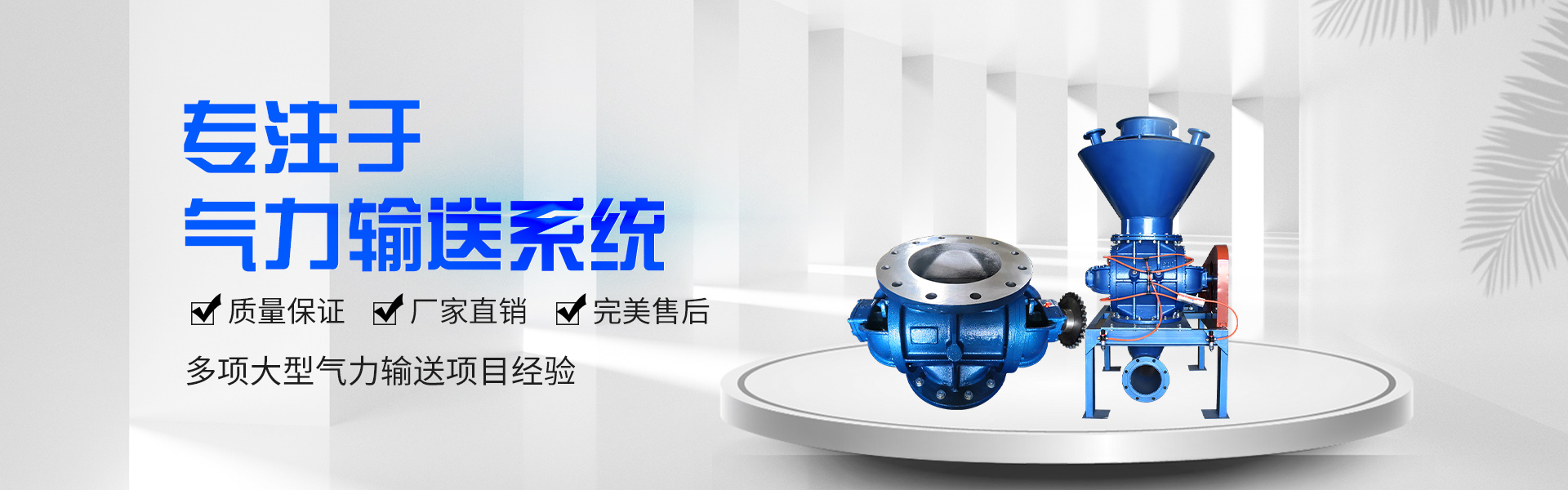

How to choose the right powder conveying method, determining the most suitable way to transport powders—moving consistent materials while maintaining the required production speed. This necessitates a technology that allows for chemical production while maintaining a safe working environment. Key factors to consider during the selection process include:
Nature of materials to be moved
How do you plan to utilize the conveyor belt?
Environmental Factors That May Affect Conveyor Design
Powder Vacuum Conveying Machine
The powder conveying system utilizes a vacuum pump mechanism to transport powder and other materials from the feed point to the destination.
Different powder conveying methods

Conveyor belts are one of the machines that are misused in an attempt to cut costs. When establishing the right conveyor belts, cost is crucial, but it should not be the primary consideration. Powder conveying systems are characterized by their starting point, end point, and enclosed piping to avoid any hazards or contamination along the way. Powder is transported from various sources to the production line through negative pressure or vacuum. Vacuum conveying systems control dust and other unwanted elements by eliminating the need for manual shoveling and transporting powder in a closed system. They occur internally without any leaks, unlike mechanical and positive pressure conveying systems that leak outward. Using a vacuum conveying system for powder can maximize productivity. Spiral conveying systems are one method of powder conveying because they are meticulously designed to move bulk powder materials between feed and destination points without disrupting product accuracy. They can be flexibly bent to reach hard-to-access points, providing flexibility, reducing maintenance needs, and offering high efficiency during operation. Unlike other conveyors, they operate continuously, meaning there's no need to wait for a batch to be fully conveyed before adding the next one. This is also why they are recommended for batch processing. The ideal size of a spiral conveyor depends on the type and quantity of material, and an incline angle suitable for the needs can also be chosen.
