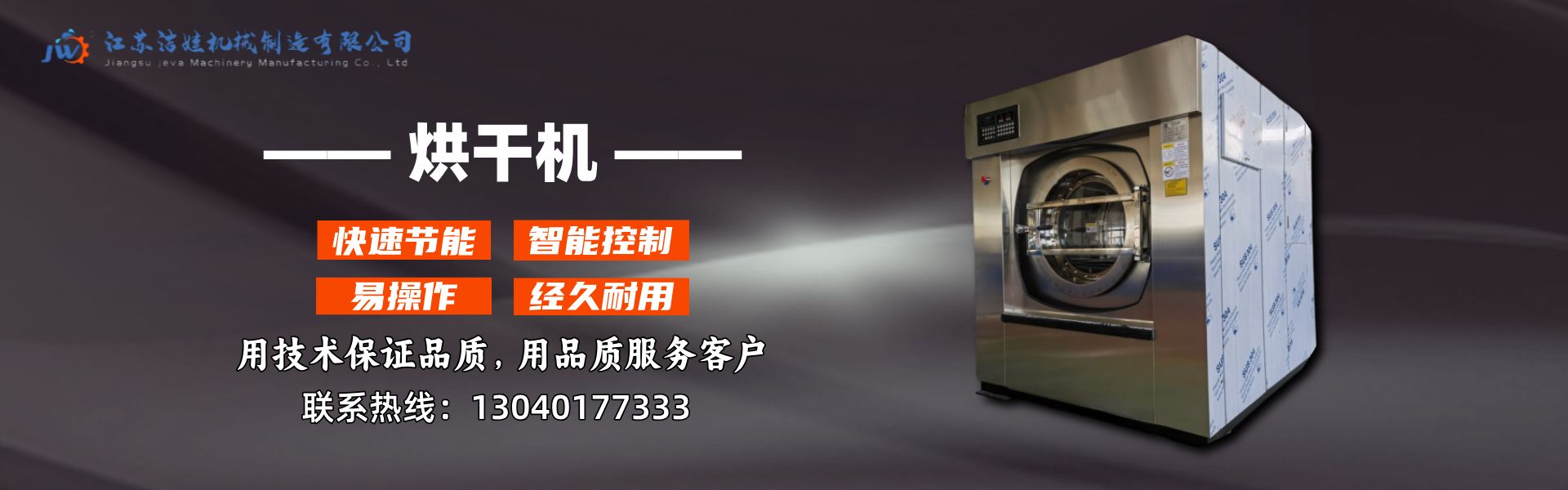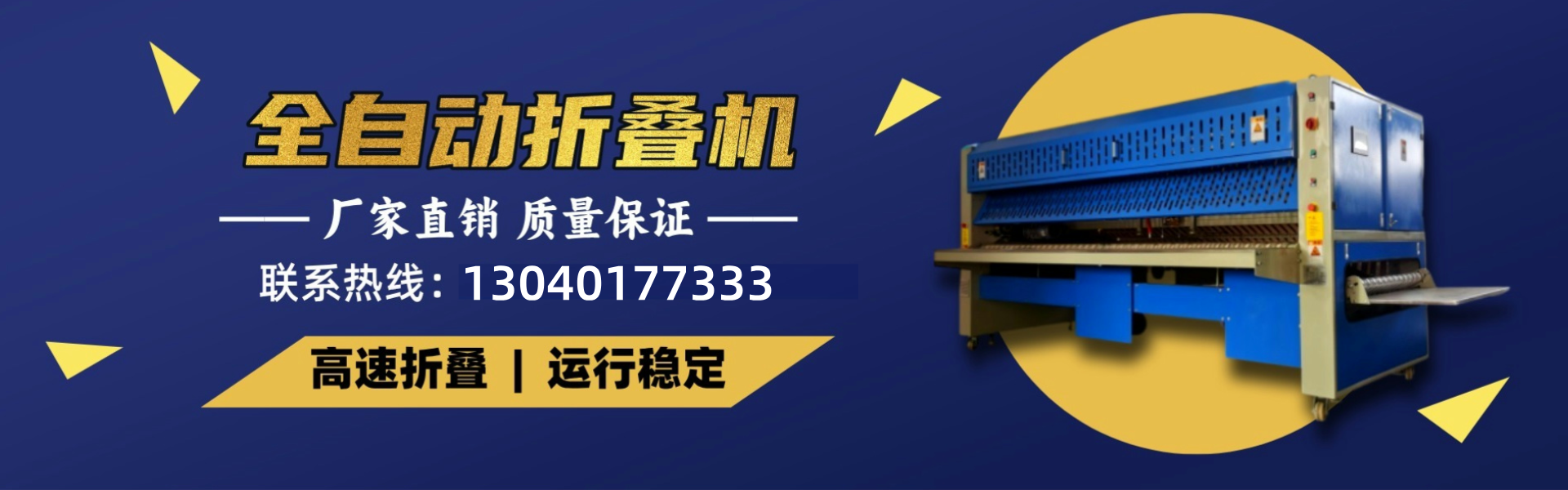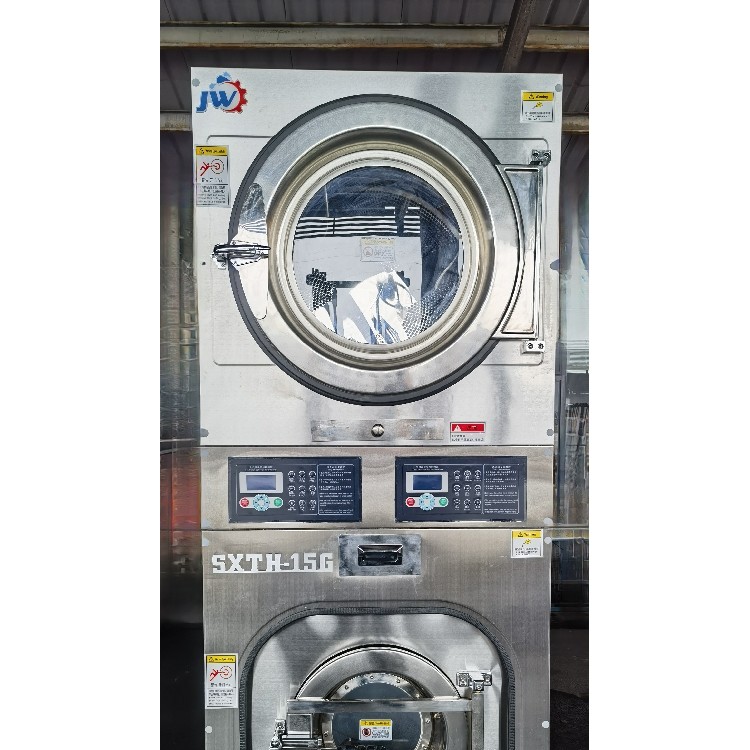
Professional Laundry Equipment Manufacturer: Industrial Washers/Dryers/Dry Cabinets, etc.
052380808788
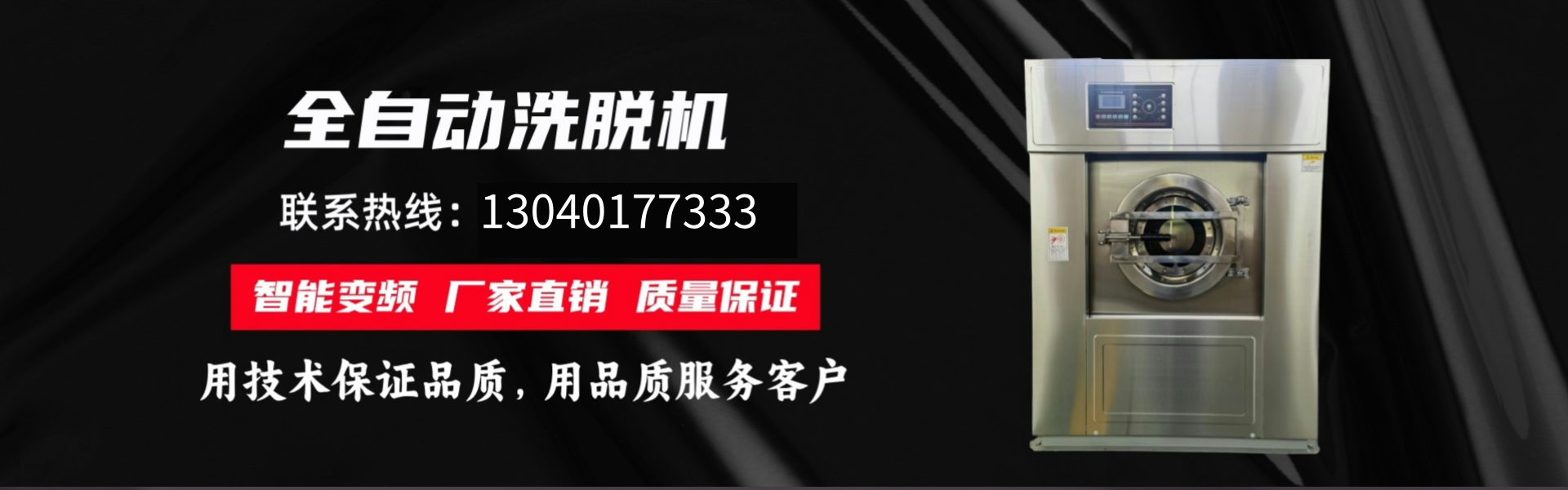
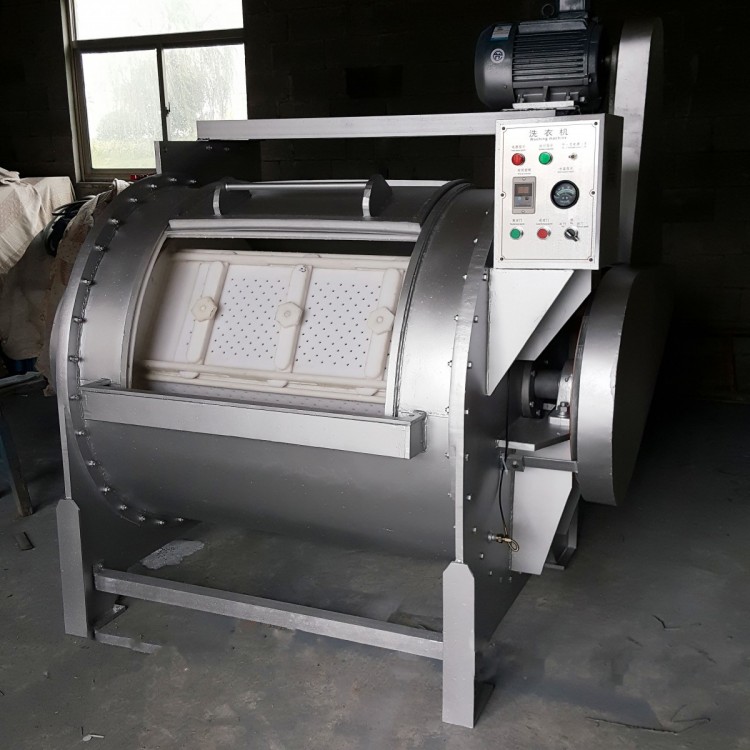
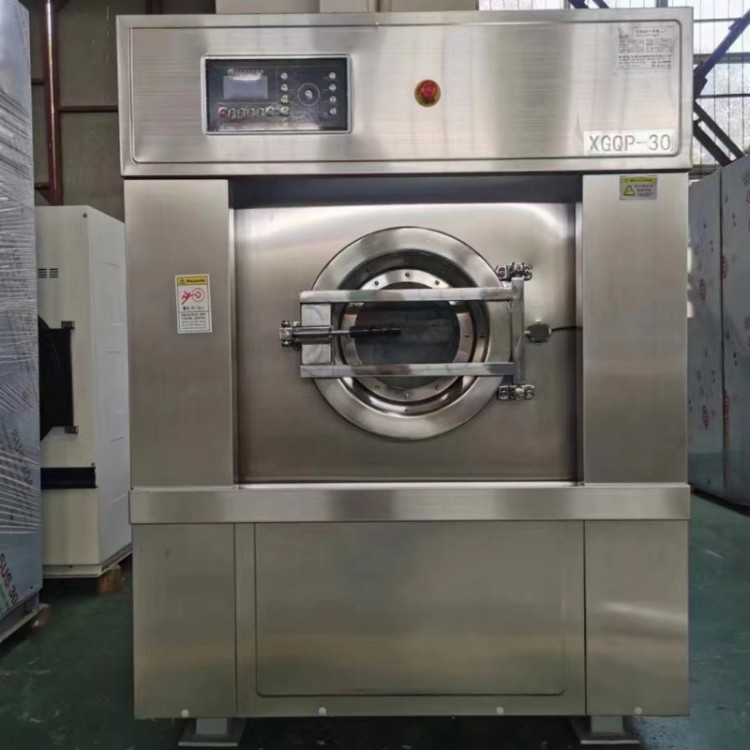
The fully automatic washing extractor, as a practical, important, and popular industrial washing machine, is widely used in various fields of the laundry industry, such as hotels, restaurants, schools, laundry factories, printing plants, and industrial and mining enterprises.
Washing machines typically undergo one pre-wash and one main wash cycle, followed by 2-3 rinses, which consume a significant amount of water. With the ever-decreasing availability of water resources, how to conserve water has become a pursuit in the laundry machinery industry.
Washing machines can utilize the wastewater they discharge as the water for pre-washing, main washing, and the first rinse for the next batch of clothes.
The industrial washing machines currently in use lack wastewater recycling capabilities, leading each unit to directly discharge the wastewater into the sewage pipes, resulting in significant water resource waste.
The core of the water-saving automatic control system for fully automatic washing and rinsing machines is the water-saving automatic controller. Utilizing digital electronic technology, the water-saving automatic controller automatically controls the inflow and outflow of water in fully automatic washing and rinsing machines. It achieves the separation of wastewater for treatment, discharging the more polluted wastewater from pre-wash, main wash, and initial rinse into the sewage pipeline, while collecting the cleaner rinse wastewater for automatic reuse. This process aims to conserve water usage.
The water-saving control principle of the fully automatic washing and rinsing machine is: the AC signals of water intake, drainage, and door opening of the fully automatic washing and rinsing machine are extracted, converted into DC pulse signals by a signal conversion circuit, and then sent to a counter. The high and low potential outputs from the counter are controlled by a switch circuit and a DC relay to open or close the solenoid valve or pump motor, thereby automatically controlling the water intake source and drainage destination of the fully automatic washing and rinsing machine.
The specific operation involves installing a three-way valve at the drain outlet of the fully automatic washing machine, and attaching two solenoid valves to control the drainage direction at the two outlets—one leading to the sewage pipeline and the other to the recycled water pool. The opening and closing of the solenoid valves are controlled by a water-saving controller. The wastewater from the pre-wash, main wash, and first rinse cycles of the fully automatic washing machine is drained into the sewage pipeline, while the wastewater from the second and third rinse cycles is directed to the recycled water pool for reuse. In today's society, where energy is scarce, promoting energy conservation and reducing consumption, as well as water and electricity savings, is the responsibility and duty of every citizen. It concerns the survival and development of future generations.
Contact us

Service Hotline
13040177333
Company Telephone
052380808788

WeChat Number
13040177333

Address
Jiangsu Province, Taizhou City, Hailing District, Longxi Industrial Park
b2b.china9.net © Zhongshang 114 Hebei Network Technology Co., Ltd.Address: Room 6009, Oriental New World Center, No.118 East Zhongshan Road, Qiaoxi District, Shijiazhuang City, Hebei ProvincePlatform Service Hotline: 4006299930