
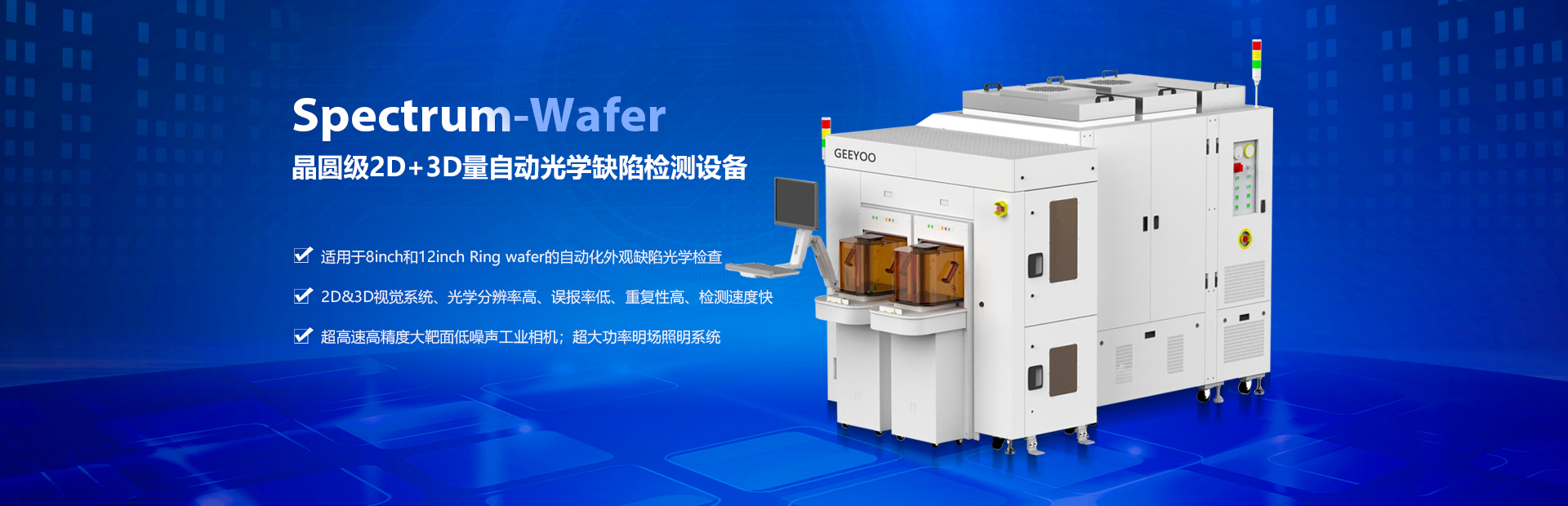
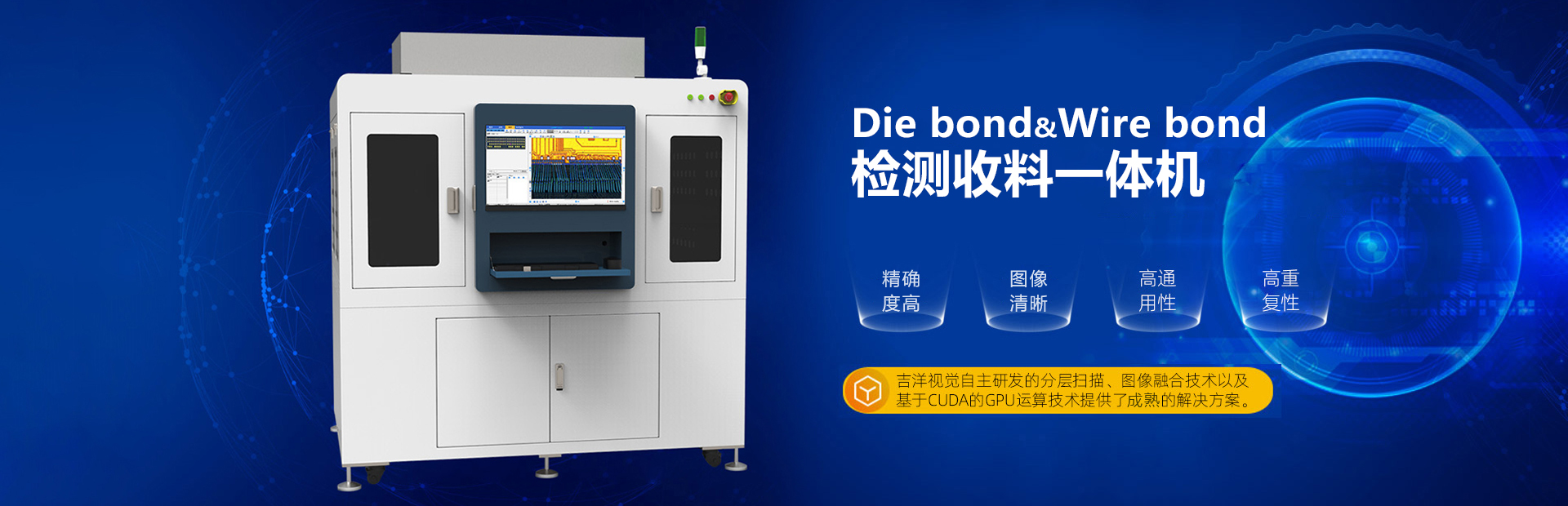
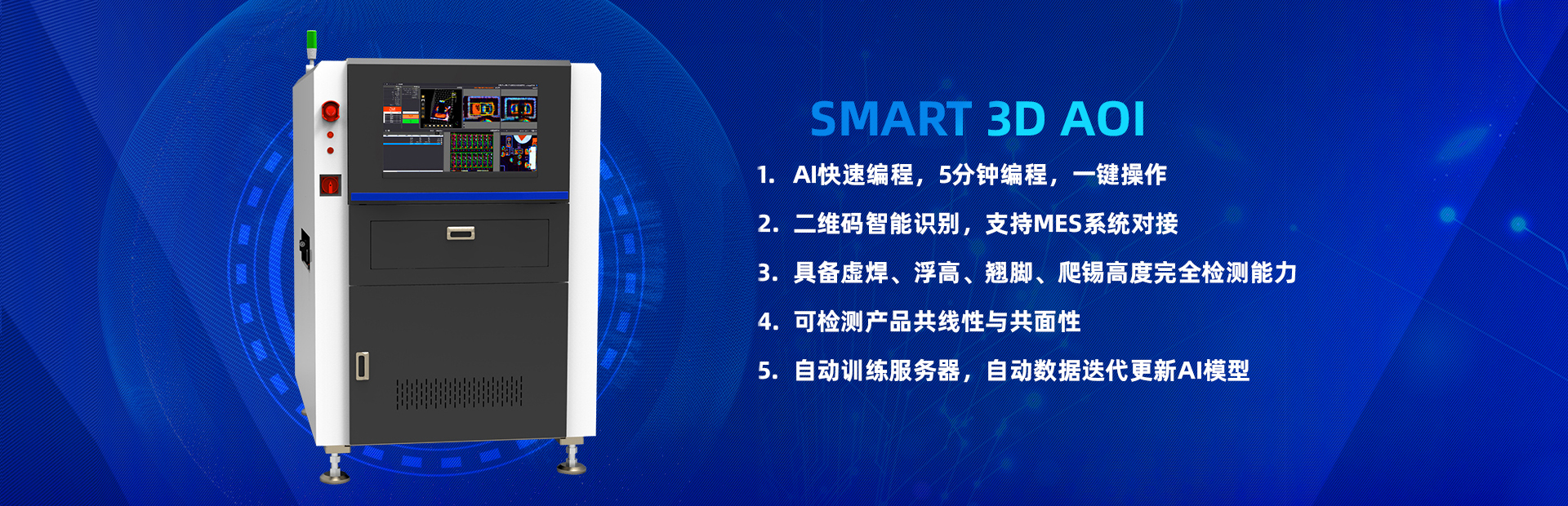

Current challenges faced by Chinese production engineers in manufacturing PCB boards with surface mount components are how to further improve the yield rate while ensuring short lead times and low costs. This article introduces a highly advanced method of using AOI to enhance yield rates.
A major challenge faced by surface mount technology (SMT) manufacturers is how to increase product output while reducing time, material, and other engineering costs. To achieve this goal, it is essential to identify and overcome "bottlenecks" in the production process. The primary bottleneck currently encountered by SMT manufacturers is the test-adjust-retest process during assembly. Methods to mitigate this bottleneck include employing Statistical Process Control (SPC), conducting defect checks early in the process, minimizing defects during assembly, and implementing closed-loop control. However, these approaches may impact overall factory production. The method introduced in this article, utilizing an online Automatic Optical Inspection (AOI) system for closed-loop control on the production line, may be the key to overcoming this challenge.
The Raising of the Issue
As PCB board densities increase and component sizes shrink, the performance of the assembly process reaches its limits, making the enhancement of assembly performance a key factor for achieving high yield in mass production. The reasons for low yield rates are complex, one of which is the inability to achieve a perfect assembly. Therefore, frequent adjustments to the X-Y data of the pick-and-place machine are often required to achieve defect-free assembly. Defects can arise from various causes, and if not corrected promptly, these defects can quickly add a significant amount of test-adjust-test workload for manufacturers, thus creating a "bottleneck" that limits factory output.
Discovering defects is a crucial function of AOI, but preventing defects from occurring is even more important. Digital analysis shows that as component density increases, yield rates significantly drop, regardless of whether defect rates rise or remain constant. Therefore, analyzing the assembly process is a fundamental step in reducing defects. Statistical analysis can identify tendencies in the production process that lead to defects, but the key is to correct them in a short time to avoid bottlenecks that could impact production capacity.
Traditional Practices
Many surface mount manufacturers rarely make changes to the initial machine parameters of their assembly equipment based on production conditions after the equipment is installed. Even if the assembly operators implement process control, it is a slow, offline method that uses basic assembly analysis techniques, not tailored to different actual production processes. In fact, using these methods to identify and eliminate the primary causes of bottlenecks is very time-consuming, and these bottlenecks are closely related to the time spent on testing, adjusting, and repairing.
Current Practices
SMT equipment suppliers have undertaken a significant amount of effective work, while industry organizations have also standardized the characteristics of assembly systems. These methods aim to establish a standardized performance evaluation system by building upon key parameters related to component assembly accuracy, repeatability, and reliability. However, these methods currently focus primarily on "first-level" process analysis or ideal performance conditions for standard glass encapsulation and substrate assembly systems. Although these efforts are crucial for establishing machine performance measurement standards, there is a gap between theoretical performance and actual production conditions.
Additional Factors to Consider
Regardless of the method used for closed-loop control of the assembly process, it is essential to consider defects related to the assembly process, as well as the assembly components (size, shape, and different configurations), PCB boards (circuit patterns, solder mask alignment, status of reference points, and board warping), and the assembly equipment itself (X-Y-θ positioning errors).
Additionally, the errors generated by the online AOI test system must be compared to the discrepancies caused by other parts of the process. Statistical techniques such as ANOVA (Analysis of Variance) can be used to evaluate the mutual impact of various process variables. If a real-time SPC system is to be effective, the errors generated by the AOI system should be as minimal as possible when compared to changes caused by the assembly system, components, and PCBs.
Combining theoretical machine performance, based on ideal standards, with actual machine performance presents certain challenges, as actual performance is related to the materials and conditions used in modern surface mount manufacturing. An AOI (Automated Optical Inspection) device that can collect precise and highly repeatable data at high speed from actual production boards can serve as a key component of an analysis system, enabling the analysis, evaluation, and control of assembly/PCB/component assembly processes.
AOI System Issues
The performance of AOI (Automated Optical Inspection) equipment used for data collection in closed-loop systems is crucial. If an AOI system cannot quickly provide high-quality data, its corrective effects may actually be counterproductive. When evaluating an AOI in a closed-loop system, the main factors to consider include the reliability, accuracy, repeatability, speed, and ease of use in data collection.
System reliability is crucial for the effectiveness of AOI (Automated Optical Inspection) component detection and accurate identification of component data, such as missing parts, polarity errors, or component mismatches. Reliability is assessed using two standards: False Acceptance Rate (FAR) and False Rejection Rate (FFR). The FAR indicates instances where actual defects (like missing parts) are missed by the AOI system, while the FFR reflects situations where the AOI system incorrectly identifies good parts as defects. In actual production, the FAR of the AOI system should be low to prevent genuine defects from entering the assembly process. New AOI technologies, such as color imaging (as shown) and adaptive techniques like Multi-Level Classification (MVC), can reduce both the FAR and FFR on products with high-density 0402, 0201, and 0.4mm spaced components.
Accuracy is defined as the difference between the measured average and the true value, which is crucial for ensuring that the AOI system can accurately correct the production process. Accuracy is influenced by many factors and can be evaluated using specialized boards that mimic variously shaped components.
Another critical performance indicator for AOI systems is repeatability (GR&R), which measures the consistency of the AOI system under various conditions. Ideally, the measurement results of an AOI device should not exceed 10% of the allowable tolerance of the tested component. For instance, on a 0402 component with placement requirements of ±100μm in the X-Y direction, the repeatability of the AOI system should not exceed the required 10% or ±10μm. This metric can also be expressed as the precision/tolerance (P/T) ratio, theoretically, a P/T ratio of 10% or lower is ideal, but under certain conditions, it can reach up to 30%.
Additionally, speed is crucial as the PCBs must undergo full inspection to ensure no defects are overlooked. Another important consideration is the ease of programming operations, as an AOI system that takes too long to program or is not user-friendly will undoubtedly impact production.
Closed-loop control
Although manufacturers employ a multitude of internal sensors to monitor the usage of the placement machines, they are unable to track the results post-soldering to determine if defects are caused by placement errors or poor control. The complexity of the issue is further compounded by the fact that surface mount production lines typically consist of multiple placement machines from different brands. As a result, many companies currently adopt an open-loop method for component placement, leading to defects often being discovered only after the reflow soldering process or later in the testing phase.
Existing Challenges
Two obstacles to truly closed-loop control in assembly processes are: 1) how to link the component data collected by the AOI system with the operation of the pick-and-place machine (i.e., determining which nozzle, pick-up head, or machine is used for each component during assembly); and 2) how to modify the pick-and-place machine's operation to correct for errors found during measurement. Assembly closed-loop control can be divided into three steps: 1) the feedforward phase where the assembly system provides critical data for the board to be assembled; 2) the feedback phase where the AOI system measures the board; and 3) the correction phase where the closed-loop process modifies the analysis results.
Pre-Feeding Phase
The closed-loop control process collects data at this stage from various placement equipment, including component types, position data, feeder numbers, nozzles, placement heads, machines, cameras, vision alignment data, and general information (such as board models and serial numbers). Since all the data required in the feedforward stage may be specialized, or may not be determinable in some systems due to the dynamic nozzle configuration, the closed-loop process often uses a generic data interface, with the supplier providing specialized data conversion. Clearly, a closed-loop placement system can help obtain useful information, and the placement equipment used in the closed-loop system should be capable of providing a complete set of relevant data, including nozzle, placement head, machine, and feeder conditions.
The AOI system during the feedback phase will send all feature data (such as missing parts, polarity errors, and incorrect parts) and variable data (X-Y-θ position deviations) back to the closed-loop system. The variable data can be used to update the system database and link the AOI variables to each component mounted on the device.
Correction Phase
At this stage, the closed-loop system analyzes the measured data, calculating the mean, standard deviation, and Cp/Cpk, and determines corrective actions related to the measurement results. For fully closed-loop control systems, deviation correction data is automatically sent to the placement equipment, and users can also specify machine actions during this phase. These correction data are typically based on statistical trends rather than individual placements, allowing for continuous adjustments. In case of major issues such as missing components, polarity errors, or incorrect placements, production can be halted. If the placement equipment can accept remote control, the closed-loop system can act as a servo controller in the placement process, enhancing its effectiveness.
Conclusion
To increase surface mount production volume and reduce time spent on defects, an AOI system can be utilized to collect real-time data to drive a closed-loop placement system. Closed-loop placement is a step towards automating defect correction, with such systems capable of identifying process changes and automatically self-correcting to adapt to new placement systems. Additionally, by significantly eliminating the "bottleneck" phenomenon caused by defects (test-adjust-retest), the system can also achieve mass production at high yield rates.
