
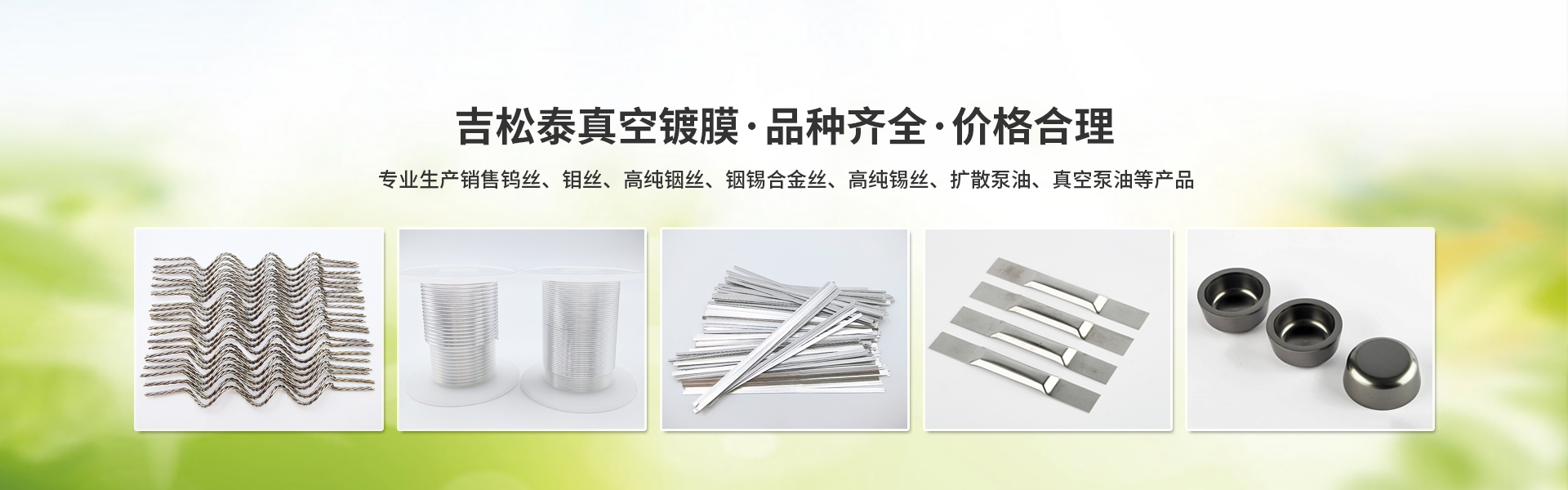
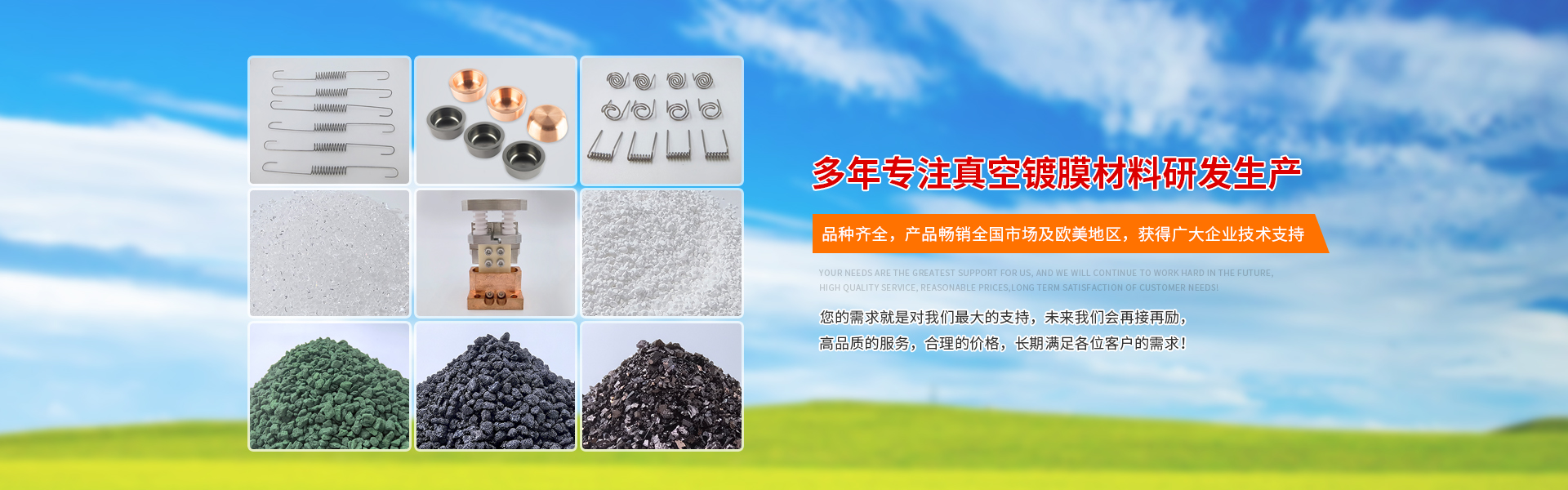

Tungsten wire is a fine filament produced by forging and drawing tungsten rods. It boasts a high melting point, high resistivity, good strength, and low vapor pressure, making it an excellent material for manufacturing filament bulbs. However, tungsten is hard and brittle, making it difficult to process. As the wire heats up to a certain temperature when an electric current passes through it, its resistivity also increases to a certain level.
The High-Temperature Usability of Tungsten Filaments: The operating temperature of tungsten filaments in incandescent lamps typically ranges from 2300° to 2800°. Generally, the higher the lamp power, the higher the operating temperature of the filament. Therefore, the operating temperature of the filament far exceeds the recrystallization temperature of tungsten (1100°-1900°), resulting in sagging of the filament segment between the two hooks due to its own weight.
Room Temperature Performance: The room temperature performance of tungsten wire is reflected in its winding characteristics. Due to the lengthy processing process, tungsten wire can easily develop numerous tiny cracks or localized brittleness if the process management is not properly handled, leading to easy breakage during winding. The breakage points caused by winding locks due to cracks appear hair-like. On the other hand, breakage points caused by the wire's brittleness exhibit a lustrous crystal surface. Tungsten has good resistance to acids and alkalis at room temperature, but it is prone to oxidation in humid air, so fine tungsten wire should not be stored in a humid environment for extended periods.
Consistency in Wire Diameter: The poor consistency in tungsten wire diameter is a significant factor contributing to the deviation of photometric parameters in incandescent light bulbs, and in some cases, it can also affect the lifespan of the bulbs.
