


Physical and Chemical Properties of Indium Wire
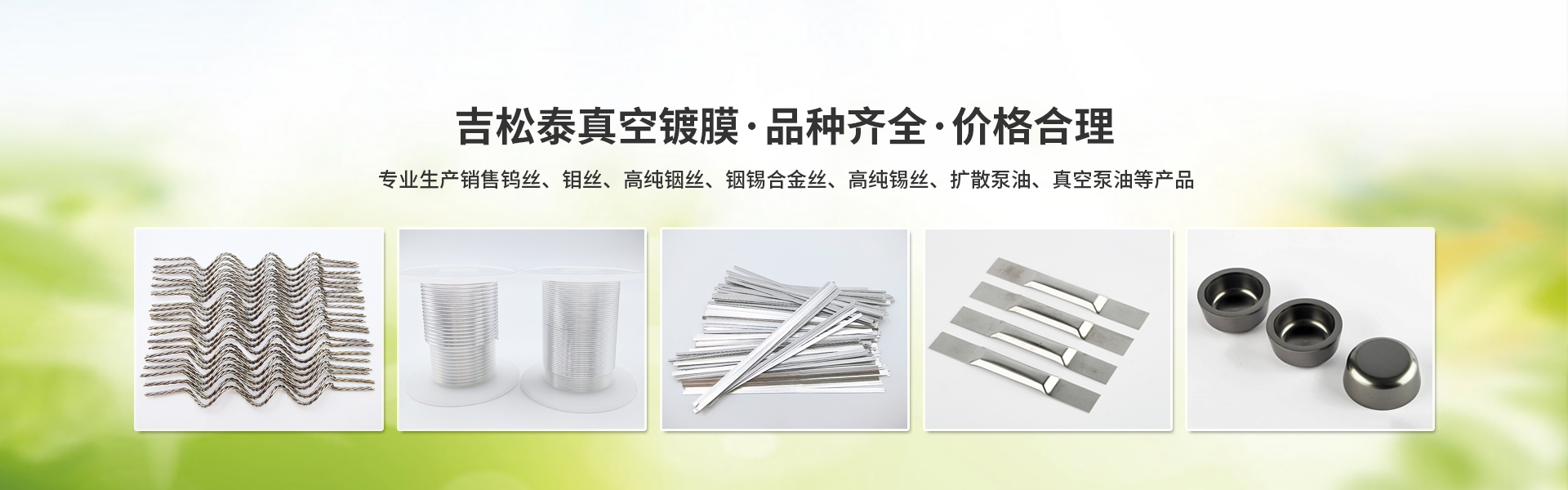
Indium is a rare metal with the chemical symbol In and atomic number 49, belonging to Group 13 elements. It is a silvery, lustrous metal that is rarely found in nature. Indium has highly stable chemical properties and is not corroded by air or water at room temperature. Its melting point is 156.6°C, lower than that of iron.
Section II: Indium Wire Production Method
The preparation method of indium wire involves electrolysis of pure indium ion solution. Upon passing an electric current through the indium ion solution, the indium ions are reduced on the electrode surface to form indium metal, which then deposits on the electrode, creating the indium wire.
Section III: Applications of Indium Wire
Electronic Device
Indium wire is widely used in electronic devices. Its excellent conductivity, as well as its good anti-oxidation and corrosion resistance, make indium wire an ideal material for manufacturing electronics. For instance, indium wire can be used to produce capacitor leads, piezoelectric components, and semiconductor devices.
2. Lighting
Indium wire is also widely used in the lighting industry. It can be turned into filaments for manufacturing light bulbs. Indium wire has a low melting point and is extremely soft, allowing filaments to withstand high temperatures and pressures, thereby glowing in the air. This makes indium wire an indispensable material in the production of light bulbs.
In summary, indium wire is a rare metal with stable physical and chemical properties, widely used in electronic devices, lighting, and other fields. Indium wire is produced by electrolyzing a pure indium ion solution, and the resulting wire boasts excellent performance, leading to its increasing adoption across various industries.
