

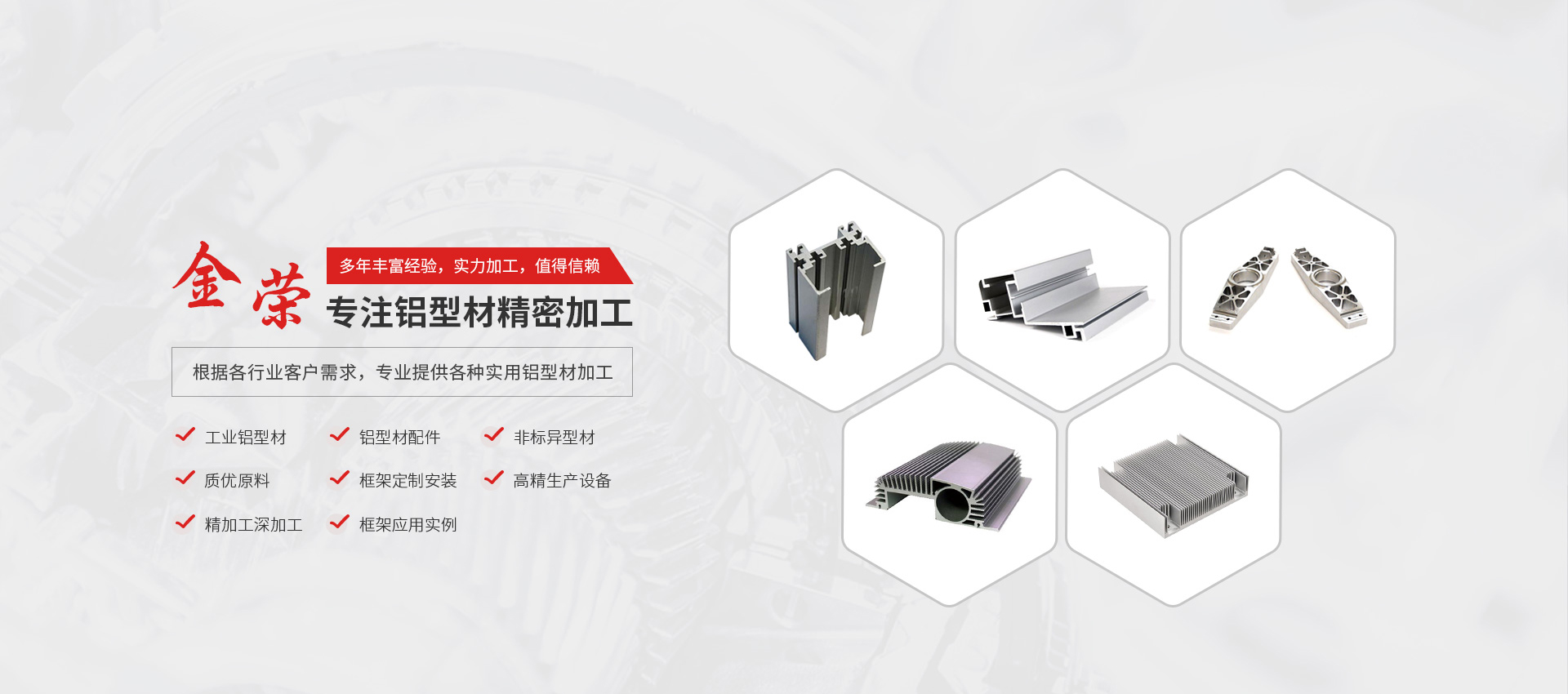


Computer锣 machining and CNC machine tool processing are collectively referred to as aluminum CNC processing. Aluminum CNC processing mainly focuses on the production and processing of aluminum components and shells.
Over the past few years, with the rise of electronic products like smartphones, computers, power banks, and auto parts, there has been an increasing emphasis on precision in aluminum CNC machining. From another perspective, it can be seen as a significant leap in the quality of aluminum CNC machining processes, enabling mass production of high-precision aluminum alloys.
Today, let's discuss the advantages of the CNC processing principle for aluminum materials.
Next, let's explore the principle of CNC machining for aluminum materials: By installing digital program commands in an automatic control system to control the automatic start/stop, direction change, and speed variation of CNC machine tool bearings, one can select CNC cutting blades. Additionally, by adjusting the cutting depth and path based on the CNC blade, various auxiliary actions required in the machining process can be achieved. This is the principle of CNC machining for aluminum materials.
1. CNC machining of aluminum can significantly reduce the total number of fixtures required for mass production, allowing for the manufacturing of complex parts with only a change in the machining program sequence.
2. CNC machining of aluminum materials is relatively stable, preventing deviations in processing that could lead to inconsistencies among aluminum alloys, even resulting in defective products.
3. CNC aluminum processing can produce complex aluminum parts, as well as manufacturing components. It can also produce a variety of products, with high production efficiency and cost savings on labor. It enables simultaneous diverse and large-scale production.
