

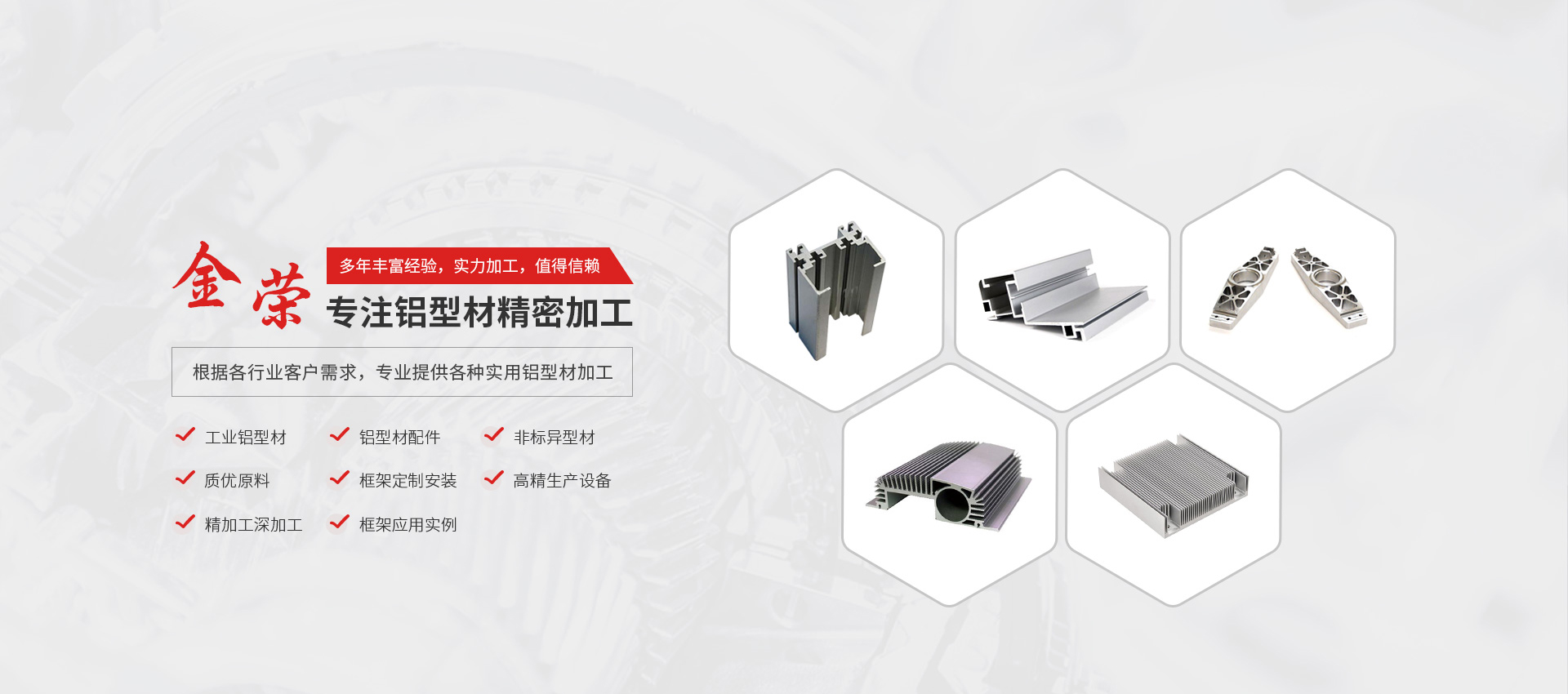


Industrial aluminum profiles are alloy materials primarily composed of aluminum. Aluminum rods are melted and extruded to obtain aluminum materials with various cross-sectional shapes. However, the proportions of the added alloys differ, resulting in different mechanical properties and application fields for the industrial aluminum profiles. Generally speaking, industrial aluminum profiles refer to all aluminum profiles except those used for architectural doors and windows, curtain walls, indoor and outdoor decorations, and building structures. So, when processing aluminum profiles, what are the two connection methods for industrial aluminum profiles?
Direct Angle Connector
The common method of connecting aluminum alloy profiles is the right-angle connection. Common accessories include angle brackets, hexagon bolts, built-in connectors, angle groove connectors, anchor-type pins, and connecting plates, among others. These accessories enable the right-angle connection of two profiles. For a right-angle connection of three profiles, a three-dimensional angle connector is required, or a combination of hexagon bolts, elastic clips, and half-round head bolts for connection.
2. Angle connection.
Aluminum alloy profiles may undergo chamfering, which can lead to mitered connections. Accessories such as miter joints, 45-degree angle brackets, 135-degree angle brackets, and angle adjustment plates are available for use. These enable multi-angle connections of the profiles, showcasing the flexibility of aluminum profile joints.
3. Extended Connectivity.
A profile bar is typically 6 meters long, but often the total height or length of the frame exceeds 6 meters. In such cases, extended connectors, also known as groove bar connectors, are required. Simply insert them into the profile槽 grooves and secure with bolts.
