

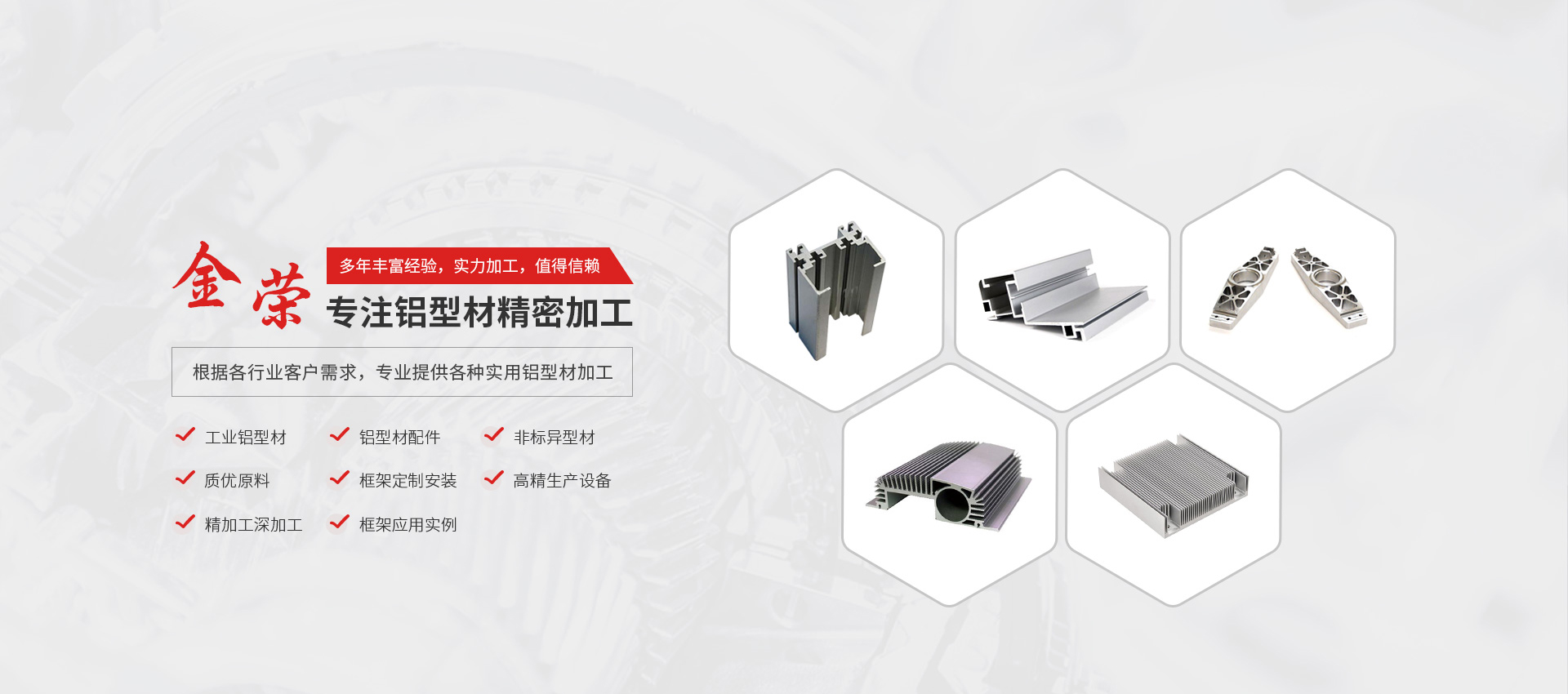


Aluminum extrusions have a density of only 2.7g/cm³, which is about one-third of the density of steel (7.83g/cm³), copper (8.93g/cm³), or brass. Under most environmental conditions, including air, water (or saltwater), petrochemicals, and many chemical systems, aluminum exhibits excellent corrosion resistance.
Anodizing: Anodizing is a crucial step in the processing of aluminum profiles. After extrusion, aluminum alloy profiles have poor corrosion resistance on their surface, which necessitates surface treatment through anodizing to enhance the profiles' corrosion and wear resistance, as well as their aesthetic appeal.
What is the anodizing process for aluminum extrusions?
Surface Preparation
By cleaning the profile surface through organic chemistry or physics methods, the purest conventional surface is revealed, facilitating the formation of a detailed, high-density human oxidation film. Additionally, mirror glass or matte (dull) surfaces can be achieved through mechanical means.
(2) Anodizing
The profiles, after surface preparation, undergo anodization under specific processing standards, resulting in a high-density, porous, and strongly adsorptive AL203 film layer on the conventional surface.
Grouting Reinforcement
Anodized aluminum is transformed into a porous oxide film with sealed pore structure, which improves the pollution treatment, corrosion resistance, and wear resistance of the oxide film. The oxide film is colorless and fully transparent. Utilizing the strong adsorption capacity of the oxide film before the casting reinforcement, metal salts are absorbed and accumulated within the pores, allowing the profile surface to exhibit colors beyond the original (silver) tone, such as gray-black, bronze, orange-yellow, and stainless steel plate colors, etc.
