
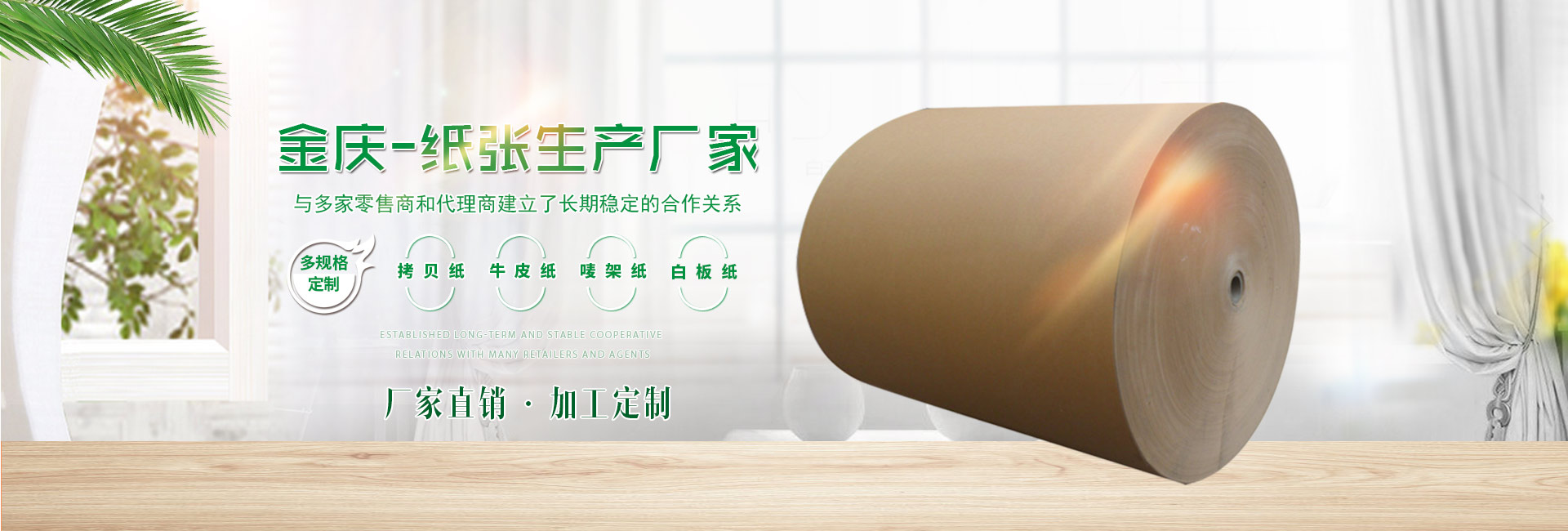
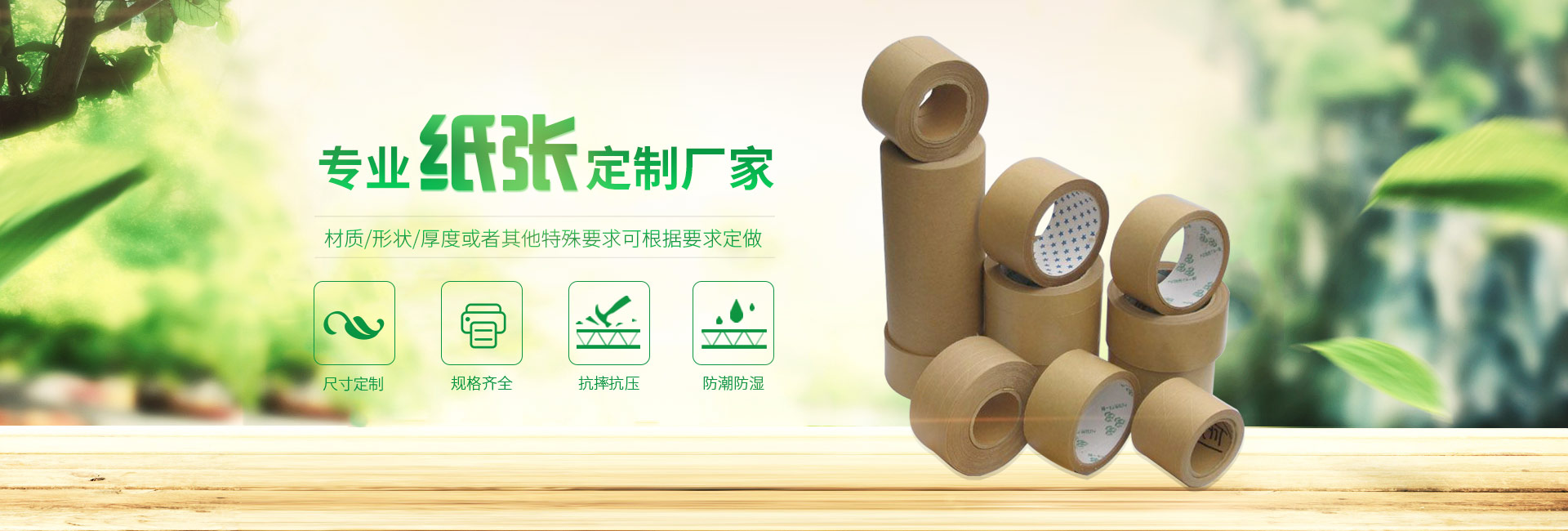


Kraft paper, used as packaging material, boasts high strength and typically features a yellow-brown hue. Semi-bleached or fully bleached kraft pulp comes in light brown, cream, or white shades. It has a basis weight of 80 to 120g/m², with a tear length generally exceeding 6000m. It exhibits high tear resistance, tensile energy, and dynamic strength. Available in rolls and sheets, it is made from sulfate softwood pulp, processed and formed on a long-fiber paper machine. It is suitable for cement sack paper, envelope paper, gummed paper packaging, asphalt paper, cable protective paper, and insulating paper.
Features:
Kraft paper is a durable and waterproof packaging paper, with a brownish yellow color, widely used for making bags, envelopes, notebooks, record sleeves, files, and sandpaper, among other items. Its grammage ranges from 80g/m² to 120g/m², and it comes in rolls and sheets, as well as in options like one-sided, two-sided glossy, and striped finishes. The primary quality requirements are flexibility, strength, high tear resistance, and the ability to withstand significant tension and pressure without rupture. Kraft paper boasts high tensile strength and is available in single-sided, double-sided, striped, and plain finishes. It is primarily used for packaging papers, envelopes, bags, and as lining for printing machine rollers.
Spec:
Sheet paper specifications: Varying by machine and cutting method. Standard roll cutters can cut up to 460mm and 1460mm, and then you can obtain any desired size through flat cutting machines. Common printing specifications include: 787*1092mm (A4 size) and 889*1194mm (A3 size).
Application:
Kraft paper is applied in various industries such as chemicals and machinery, especially widely used in the food packaging industry.
Kraft Paper Applications: Kraft paper is widely used in various packaging items, including paper bags, tote bags, colored boxes, gift boxes, printing kraft paper, notebook kraft paper, exercise book kraft paper, and special envelope kraft paper.
Food packaging must adhere to the principles of convenience and portability. The anti-stretching properties of kraft paper make it an ideal choice for packaging needs. To prevent bags from tearing when consumers carry out food items, the packaging material must have excellent tensile strength. Beverage packaging requires materials with a certain resistance to moisture and deformation to prevent swelling and breaking. For frozen food packaging, using high-strength materials is also a crucial consideration, as these materials must withstand thermal expansion and contraction during low-temperature freezing and high-temperature melting to prevent deformation, warping, creasing, and excessive moisture absorption that makes the food unpackageable. From these perspectives, unbleached kraft paper is even more suitable than SBS paper.
