
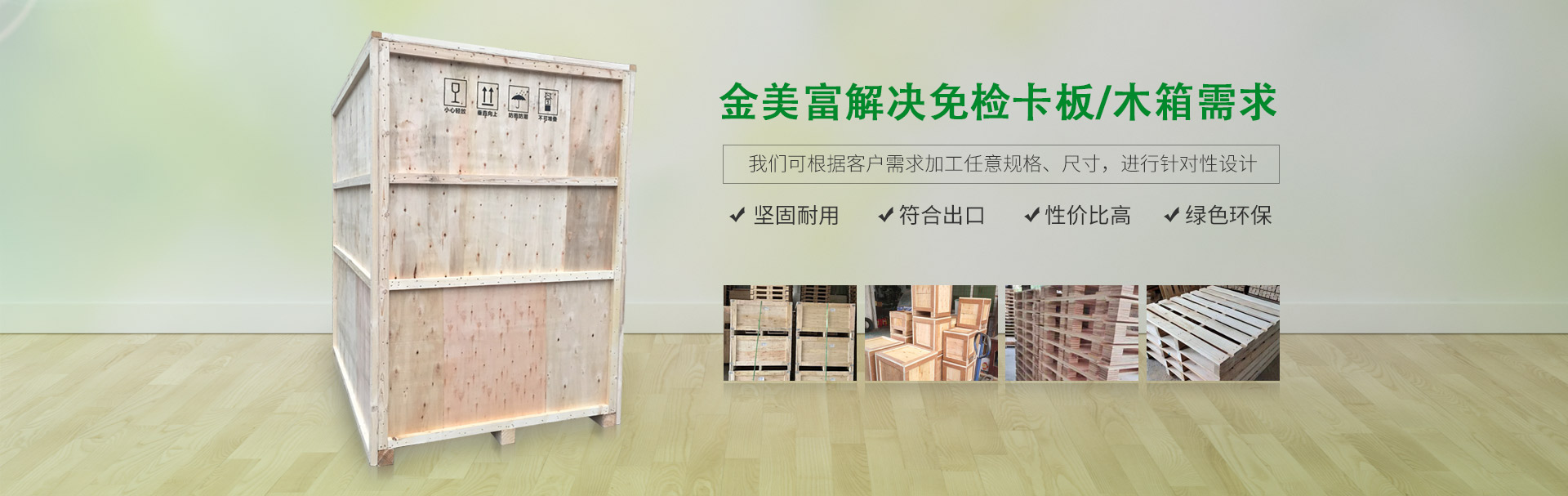
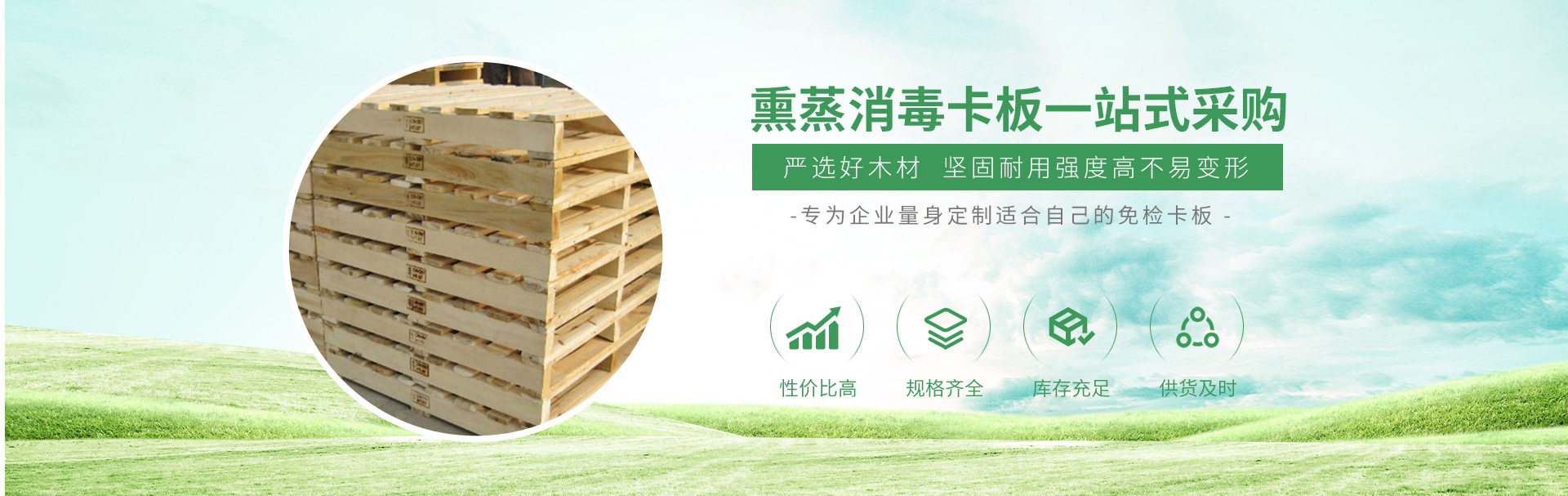

Uninspected pallets are currently being used in chemical equipment, corrosion-resistant tank linings, pipes, sleeves, and valves, replacing stainless steel and copper. In addition, they can also be applied to the insulation layers of cables and high-frequency submarine cables. Next, let's discuss the applications and properties of uninspected pallets to better understand this product.
The non-inspection pallets feature excellent transparency and high mechanical strength, with excellent cold resistance, heat resistance, corrosion resistance, climate resistance, and good insulation properties. They are easy to shape and dimensionally stable, but are fragile and can dissolve in organic solvents. As a transparent material, their surface hardness is lower than glass and prone to scratching. Overall, they outperform ordinary plastics in terms of their comprehensive properties.
Currently, exempted pallets can be used to produce parts with certain transparency and strength, such as optical lenses, equipment labels, automotive headlights, oil cups, oil gauge transistor radios, and electrical insulation components, among others. Exempted pallets made from styrene copolymers offer higher impact strength and oil resistance, as well as resistance to chemical corrosion, making them suitable for industrial products like electromagnetic and instrument frames, dashboards, junction boxes, and various switches.
High-pressure polyethylene-free inspection pallets come in three types: low pressure, medium pressure, and high pressure. The high-pressure polyethylene has a softer texture, while the low-pressure polyethylene is harder and boasts excellent cold resistance, maintaining its softness even at -70℃. It also exhibits good chemical stability.
The advantages of免检卡板are:
1. Raw material sourcing is stable, with minimal seasonal or catastrophic impacts and is not restricted by geography.
2. Waterproof, moisture-proof, anti-termite, and corrosion-resistant, effectively avoiding the drawbacks of traditional wood cards, such as prominent wood knots, termite infestation, color discrepancies, and high humidity.
The product is made by cutting and binding plywood, featuring a simple manufacturing process and low production costs.
4.检疫-free, fumigation-free, disinfection-free, and vermin-free, meeting market requirements.
5. The texture is aesthetically pleasing, with minimal deformation, no warping, and excellent tensile mechanical properties in the cross grain. The appearance is attractive and highly ornamental.
6. Crafted from recycled wood, this product reduces reliance on natural timber, aligns with environmental standards, and helps prevent the loss of thousands of acres of forests each year, thereby protecting the environment.
