
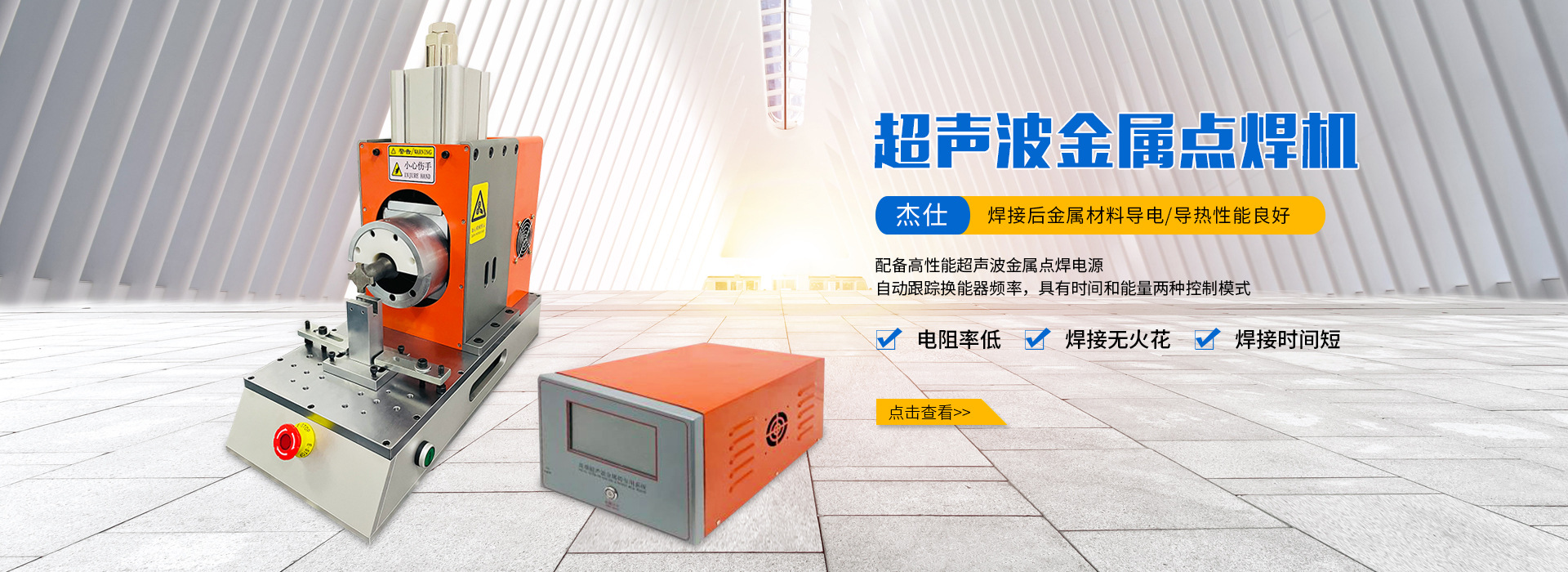
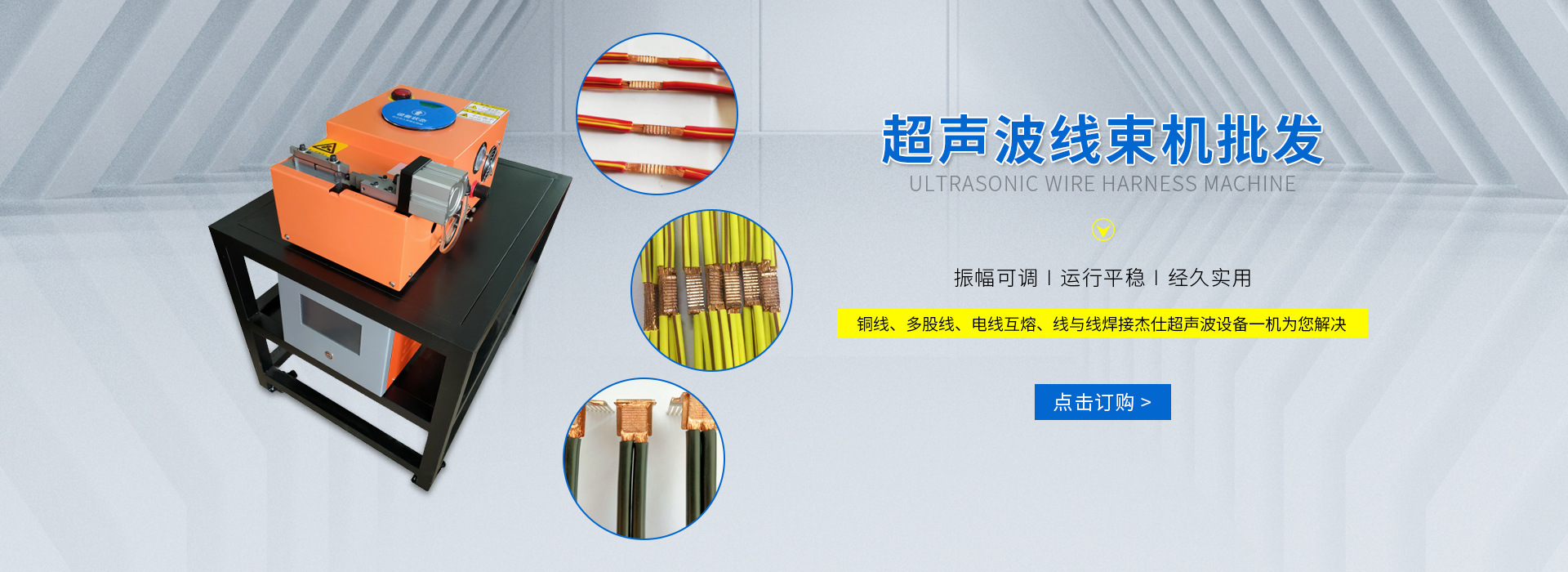
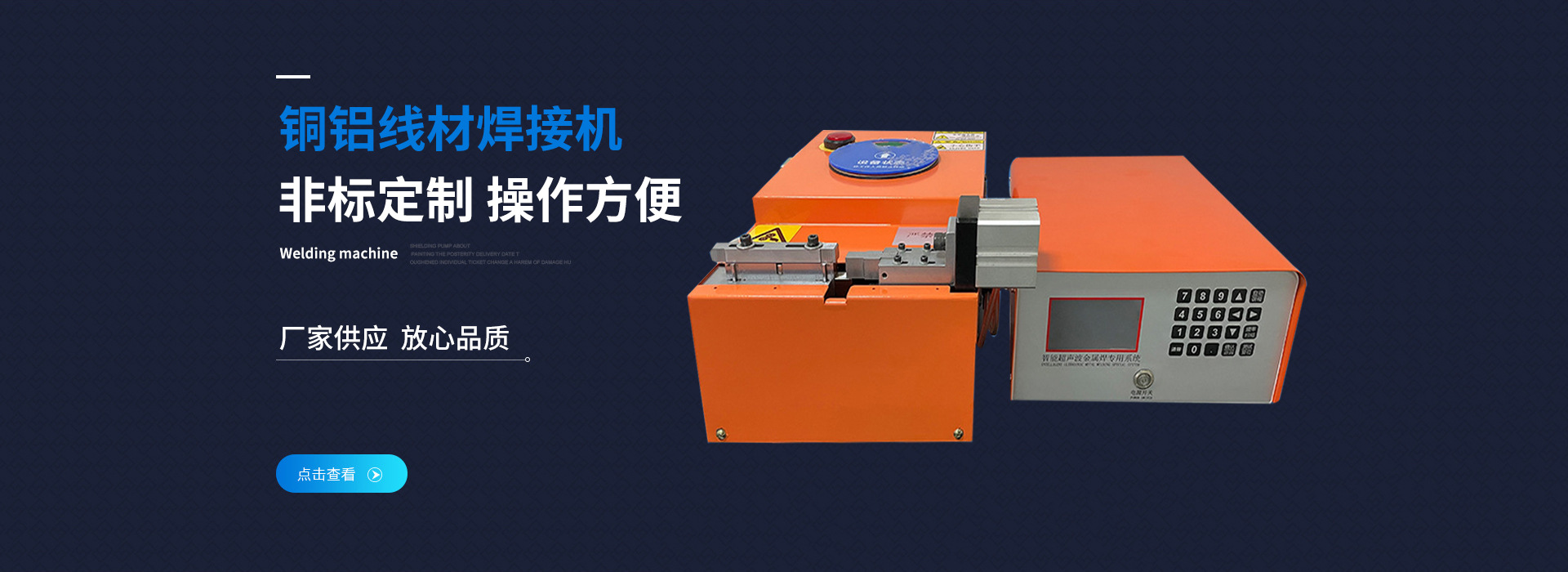

Ultrasonic vibration systems are a fundamental component of ultrasonic welding machines, and a well-functioning ultrasonic vibration system is a prerequisite for ultrasonic welding. But what exactly is an ultrasonic vibration system? It is a component that converts electrical energy into mechanical vibrations and amplifies the amplitude of these vibrations, primarily consisting of ultrasonic transducers, variable amplitude rods, and tool heads. The working principle of the ultrasonic transducer on an ultrasonic welding machine is to utilize the inverse piezoelectric effect of piezoelectric ceramics to generate vibrations. When the piezoelectric crystal is placed in an external electric field, the electric field causes the center of gravity of the positive and negative charges within the crystal to shift. This polarization displacement leads to the deformation of the crystal, known as the inverse piezoelectric effect.
The ultrasonic amplitude transformer is a crucial component of the ultrasonic vibration system in ultrasonic welding machines. During the operation of the ultrasonic vibration system, due to the small amplitude generated by the radiating surface of the ultrasonic transducer, when the operating frequency is within 20 kHz, the radiating surface amplitude is only a few micrometers. However, the required amplitude for ultrasonic welding is approximately tens to hundreds of micrometers. Therefore, it is necessary to use an amplitude transformer to amplify the displacement and motion speed of mechanical vibration particles, and to concentrate the ultrasonic energy of the welding machine into a small area to produce an energy accumulation effect. The ultrasonic transducer can also act as a mechanical impedance transformer, matching the impedance between the transducer and the load, allowing the ultrasonic energy to be more effectively transferred from the transducer to the load.
As the demand for higher product welding quality continues to rise, the challenges faced by ultrasonic welding machines are also on the upswing. To enhance welding efficiency, constant improvements to the ultrasonic vibration system are necessary. By precisely controlling the amplitude of the vibration rod movement and monitoring the ultrasonic vibration system with detection technology, the stability and controllability of the ultrasonic welding machine's vibration are ensured.
