
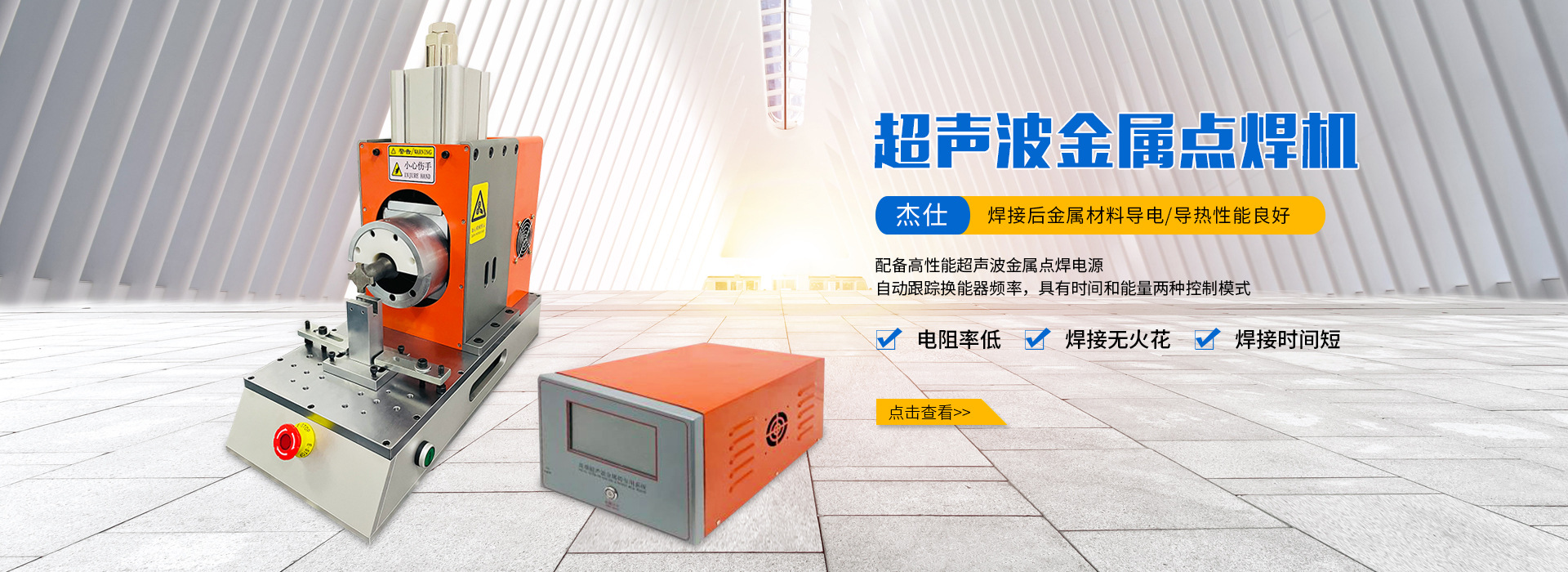
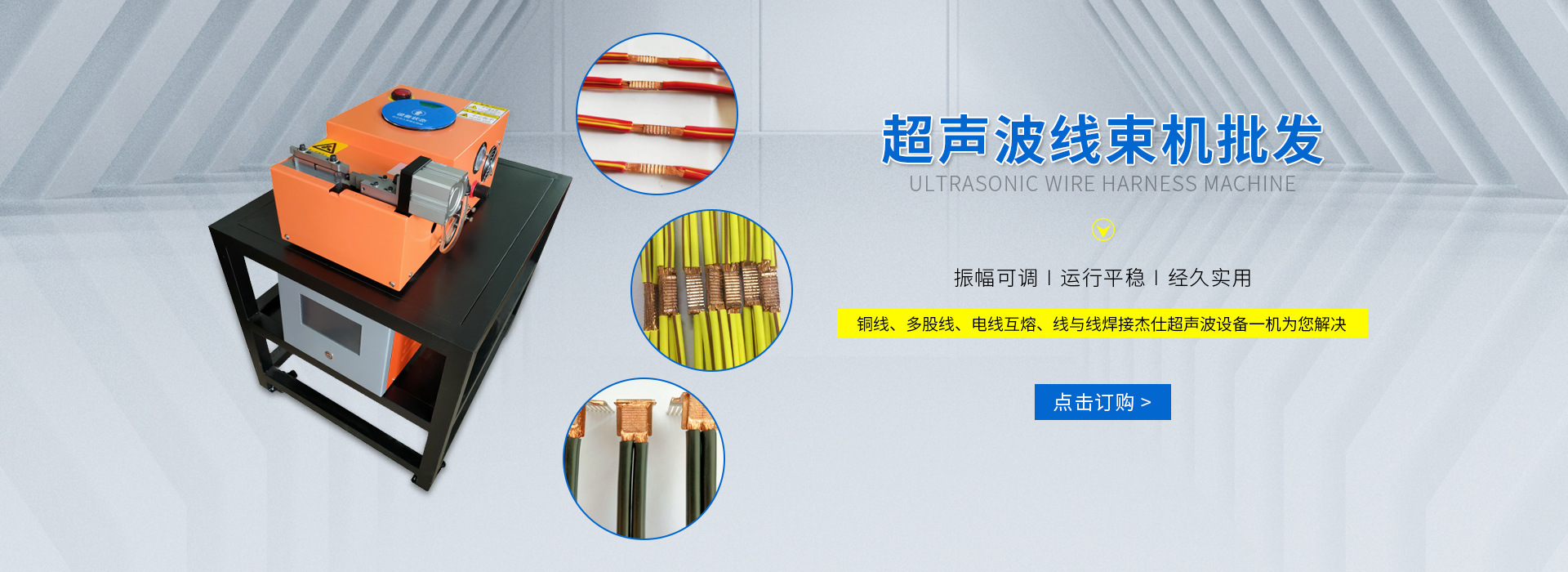
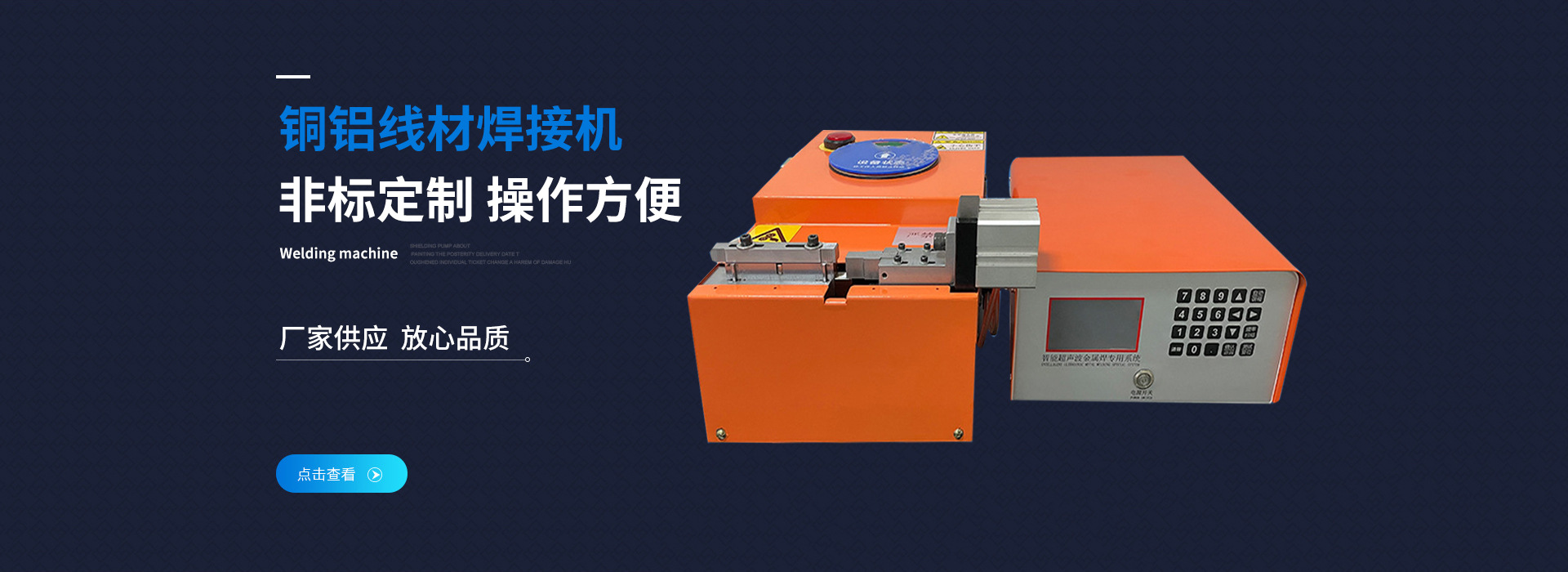

The ultrasonic welding machine transmits ultrasonic waves to the plastic workpiece through the welding head, causing intense friction on the two plastic bonding surfaces due to the ultrasonic action. The friction heat melts the bonding surfaces of the plastic, thereby completing the adhesive joint. This technology boasts fast speed, strong welding, and more importantly, it can achieve automation in the plastic production process. For these reasons, it is widely used in the processing of plastic products and has recently gained popularity in the automotive industry.
By simply changing the ultrasonic welding head and parameters, plastic products can be embedded, shaped, welded, riveted, spot-welded, and sewn. In the automotive industry, many components are made of plastic, and with the increasing demand for emission reduction in vehicles, the number of plastic automotive parts will continue to grow. Consequently, the industry will require more plastic processing equipment than ever before.
Common plastic processing techniques in the automotive industry include hot melt bonding, laser welding, and ultrasonic welding. Among them, hot melt bonding has stringent application requirements, laser welding equipment is overly expensive, while ultrasonic welding boasts low welding costs, fast production speed, high welding strength, strong welding stability, and environmental benefits. Automotive manufacturers can use ultrasonic welding machines to produce plastic parts.
Automotive parts come in a wide variety, and proper technical control is crucial when using ultrasonic welding machines for processing. Typically, when an automotive manufacturer receives a new product, they first analyze the performance of the plastic materials, then adjust the various parameters of the ultrasonic welding machine based on their welding experience, followed by a welding test to ensure the welds meet production standards. Only upon passing the test can mass production of the welded parts proceed.
