

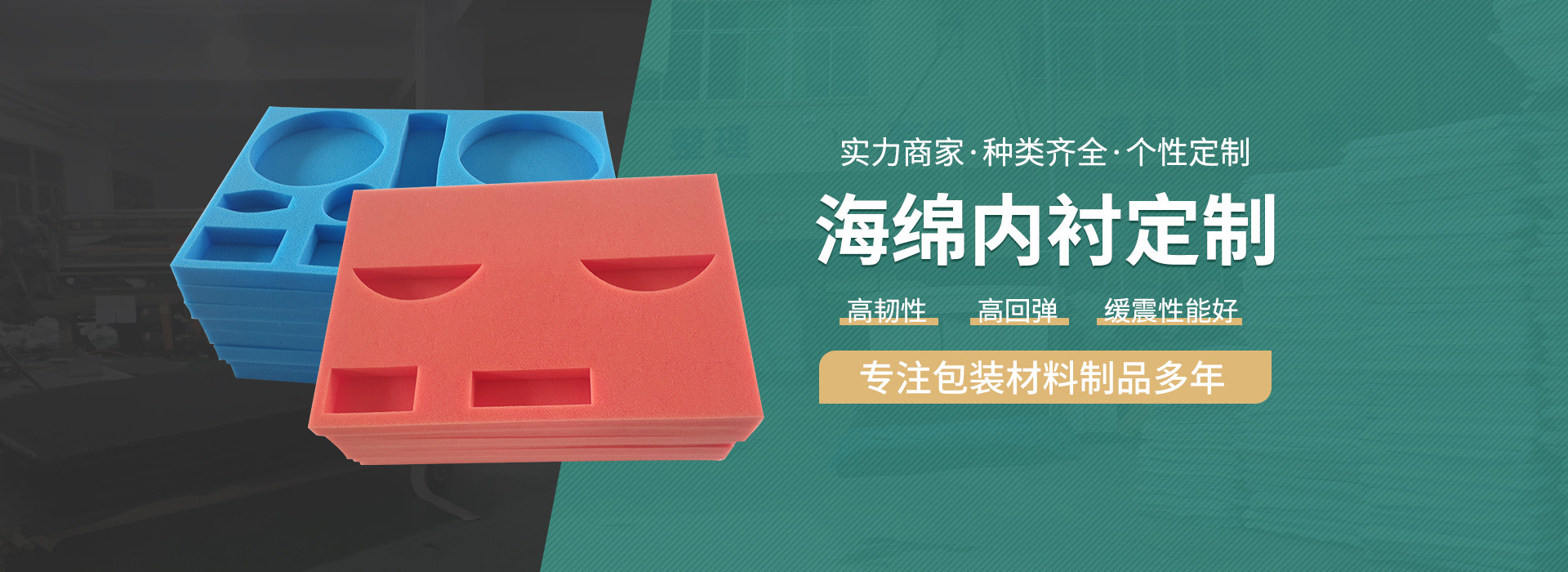

Foam, also known as sponge, is a commonly used material, widely applied in fields such as home, electronics, and automotive.
Recommendations for storage environments are as follows:
Temperature
The recommended storage temperature for foam is between 10℃ and 30℃, avoiding exposure to excessively high or low temperatures. High temperatures can cause the foam to deform and age, affecting its performance, while low temperatures may make the foam brittle.
2. Humidity
Recommended environmental humidity for foam storage is between 40% and 60%. Either excessive or insufficient humidity can affect the quality and performance of the foam. High humidity can lead to mold and rot, while low humidity may cause the foam to harden and lose elasticity.
Ventilation
Foam storage requires good ventilation to avoid prolonged sealing in damp or humid environments. Adequate ventilation keeps the environment dry, effectively preventing the growth of mold and the occurrence of odors, while also aiding in maintaining the foam's elasticity.
Points to Note When Storing
Avoid contact with chemicals.
The use of foam can be affected by chemicals, so it is important to avoid direct contact with corrosive substances during storage and use.
Avoid prolonged compression
Long-term compression of foam can cause deformation and loss of elasticity, so it is important to maintain the shape and space of the foam during storage to avoid prolonged compression.
Avoid direct sunlight
Sunlight's ultraviolet rays can cause foam to age and deform, so it is best to avoid direct sunlight when storing it.
4. Regular Inspections
Regularly inspect the condition of the foam to ensure it meets requirements, preventing deformation or mold.
