




 通过中商114认证

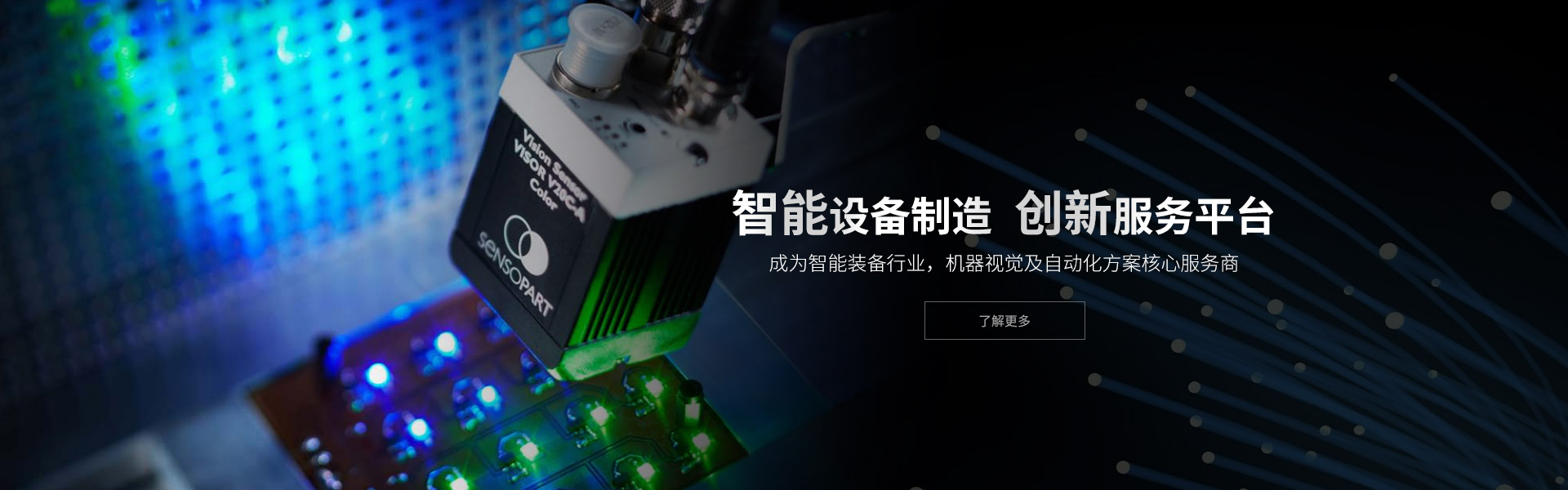
As the demand for automation and intelligence grows across various industries in our country, machine vision technology has permeated into our daily lives and work environments, widely applied in sectors such as semiconductor, electronics, industry, scientific research, and transportation. For instance, quality inspection and monitoring in industrial production, and color quality testing in the printing industry. The rise in market demand not only promotes the increasingly broad application of products but also stimulates the continuous improvement of product quality. The advancement of machine vision technology is reflected in the enhancement of camera quality and functionality, the richness of light source forms, and the upgrade from grayscale to color image acquisition.
Generally, we know that colors are formed by the combination of the three primary colors—red, green, and blue. However, in machine vision applications, saturation, chroma, and hue must be considered. Therefore, color image processing and analysis software must be able to distinguish colorless components, i.e., saturation, from the chroma and hue descriptions to intuitively and completely explain colors, and effectively detect and segment color objects. In machine vision applications, we often encounter color imbalance issues, which are primarily caused by two factors: the type of light used and incorrect calibration of the image acquisition device.
As mentioned above, the essence of image analysis in machine vision technology is the detection and segmentation of color objects. The detection of color objects is easy to understand, but what does segmentation refer to? Segmentation refers to the ability of machine vision technology to differentiate objects from the image background based on contrast. In the part of color images, specific numerical ranges for objects can be freely defined, followed by selecting data ranges to eliminate surface light effects. It is also possible to decompose color images within different regions by examining the level of each pixel for different objects in the scene.
Color image acquisition and analysis are in high demand across numerous industries and represent a direction for future development. Compared to grayscale acquisition, color images are clearer and more conducive to analysis and processing, making them invaluable for production and scientific research. Naturally, as we've mentioned earlier, to achieve the desired results, the continuous advancement of machine vision technology is essential to meet the acquisition needs.
