
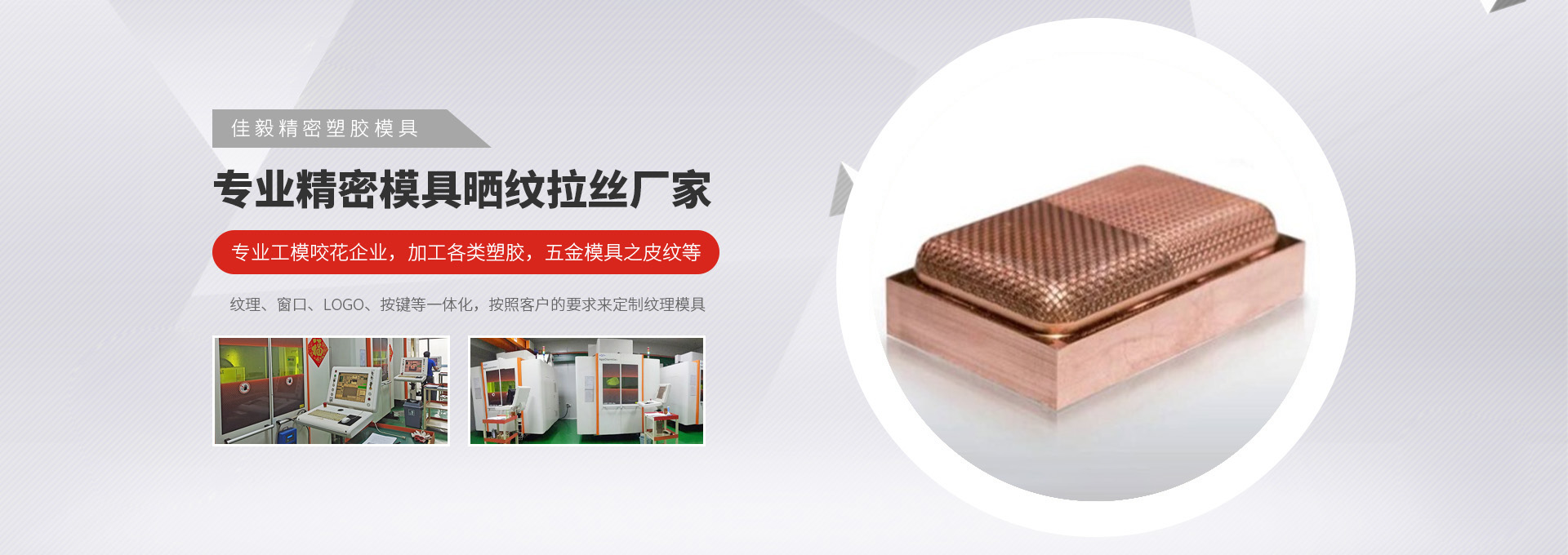
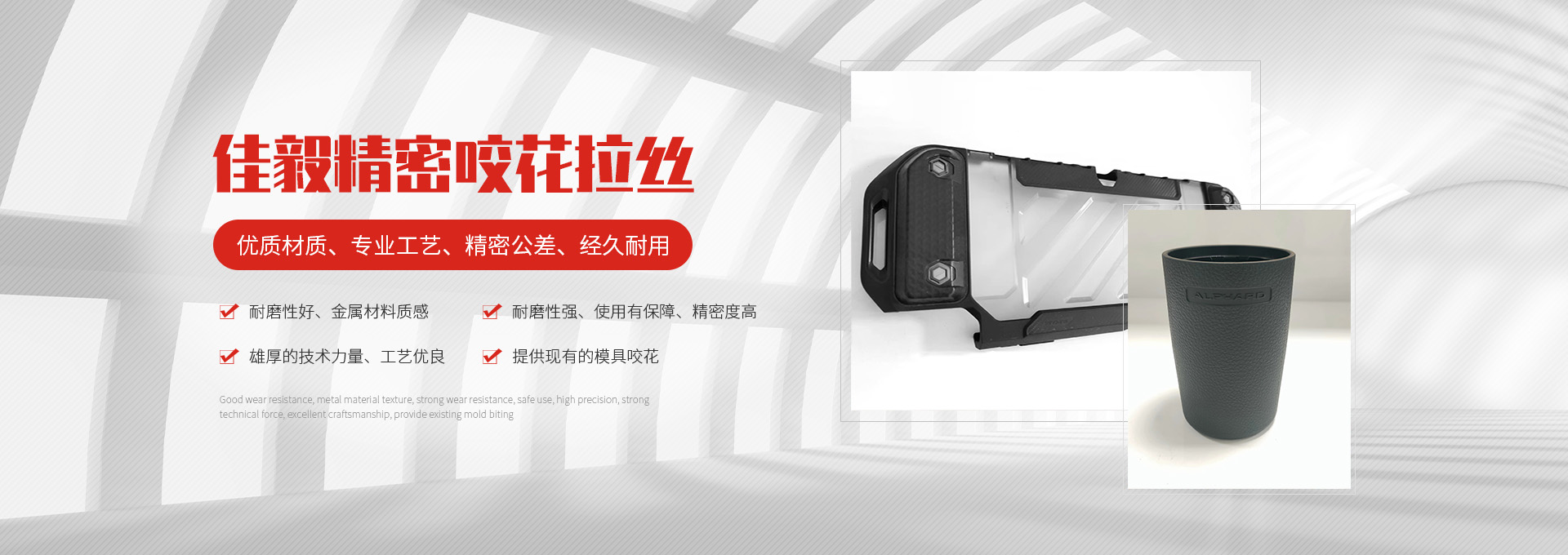
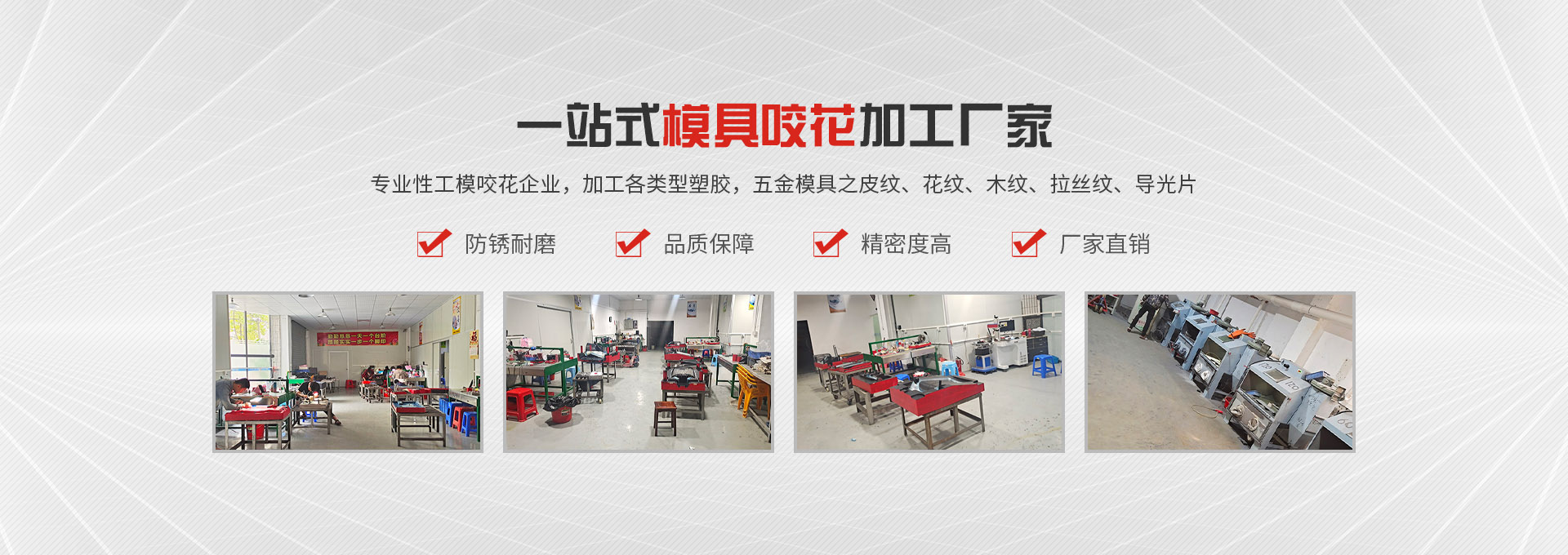

Mold bite is a surface treatment technique that involves processing molds to create specific textures and patterns. This method primarily utilizes chemical etching to etch the desired patterns or textures onto the mold, typically on the mold core (usually the mother mold surface).
Next, let's explore the etching techniques for mold embossed surfaces, which mainly include the active method, immersion method, and laser etching technique.
1. Activity Method: This involves removing the majority or all of the surface of the mold with the required pattern from the liquid, followed by the application of a spray or etching agent onto the surface. This method is typically used when the mold pattern is too large to fit into a solution tank or when there is no sufficiently large tank available for the mold pattern to be soaked.
2. Immersion Method: This involves submerging or immersing the entire mold with embossed patterns into the etching solution tank. This method is easier to control, resulting in a more even etching effect. However, it is limited by the size of the solution tank and the handling equipment for the mold pattern blocks.
3. Laser Etching Method: This technique can be employed when a design passes through a barrier layer in front of a solution tank, stopping the cutting and engraving process. Then, a new barrier layer is used to continue the etching, reaching a greater depth. The result is a multi-layer contour rather than a uniform accumulation.
