
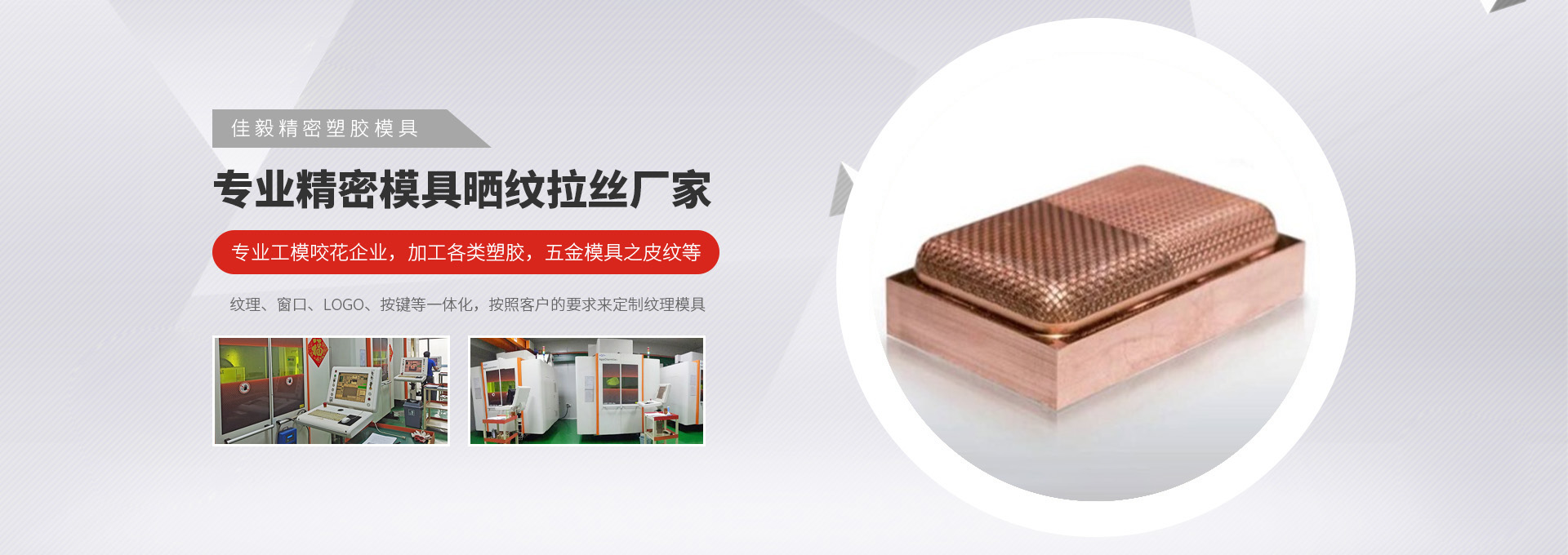
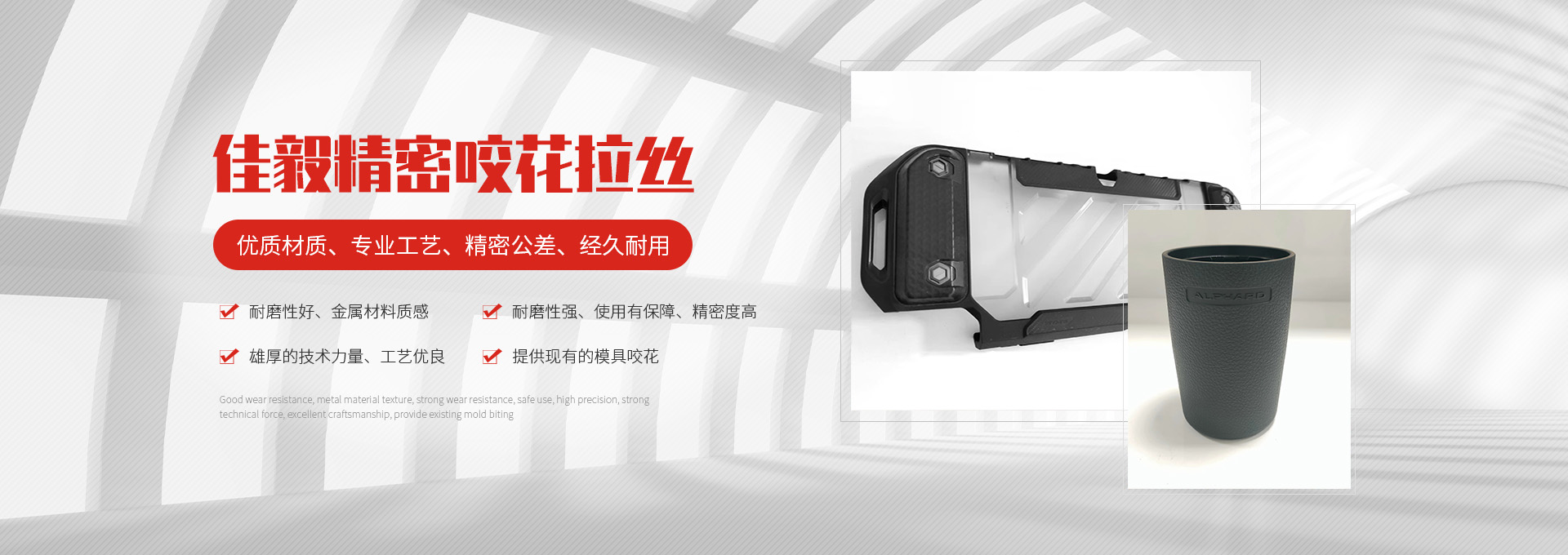
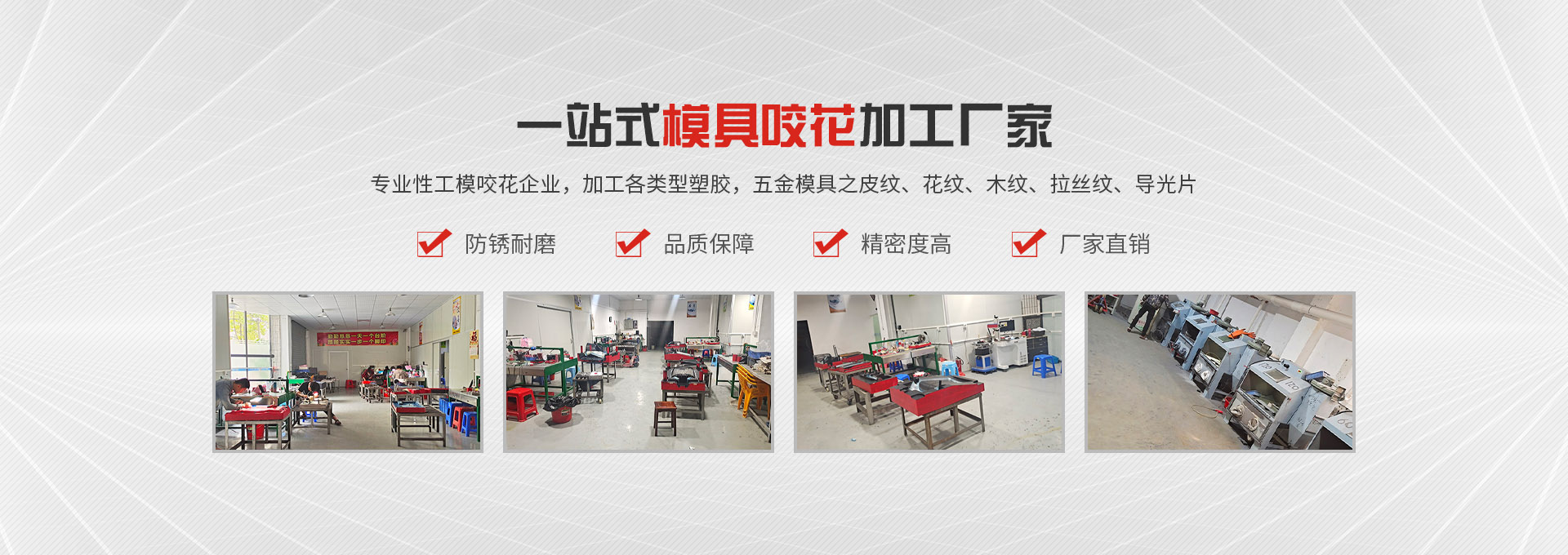

The working principle of laser etching on molds primarily involves using laser beams to weld and finely process the mold surface. By harnessing the energy and focusing characteristics of the laser beam, it achieves precise etching and embossing effects on specific areas of the mold surface. While welding the mold surface, the laser beam melts the metal locally through a gas stream, creating various shapes and depths of grooves, thereby forming unique textures and patterns on the mold surface.
The characteristics of mold laser etching technology are mainly reflected in the following aspects:
Design Coordination and Processing Consistency: Laser engraving technology achieves high coordination with design, ensuring processing consistency, thus achieving the expected appearance and texture of the product.
High Precision and Stability: Laser Engraving Technology boasts high precision and stability, enabling fine processing of mold surfaces and ensuring clear and consistent engravement effects.
Environmental Protection and Pollution-Free: The laser etching process does not require any chemical solutions, making it environmentally friendly and in line with modern green production standards.
Efficiency and Speed: Laser engraving technology boasts high production efficiency, enabling rapid processing of mold surfaces, thereby shortening the production cycle.
Adaptable: Laser engraving technology is suitable for various molds with different materials and shapes, offering strong adaptability and flexibility.
