
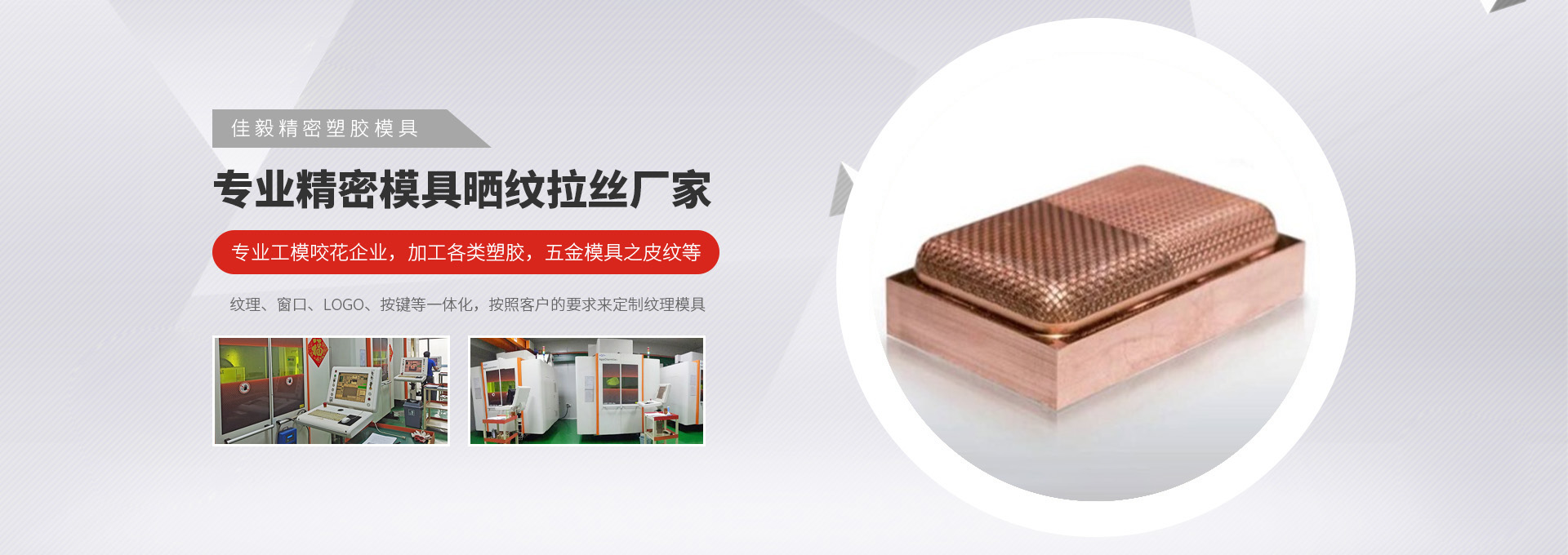
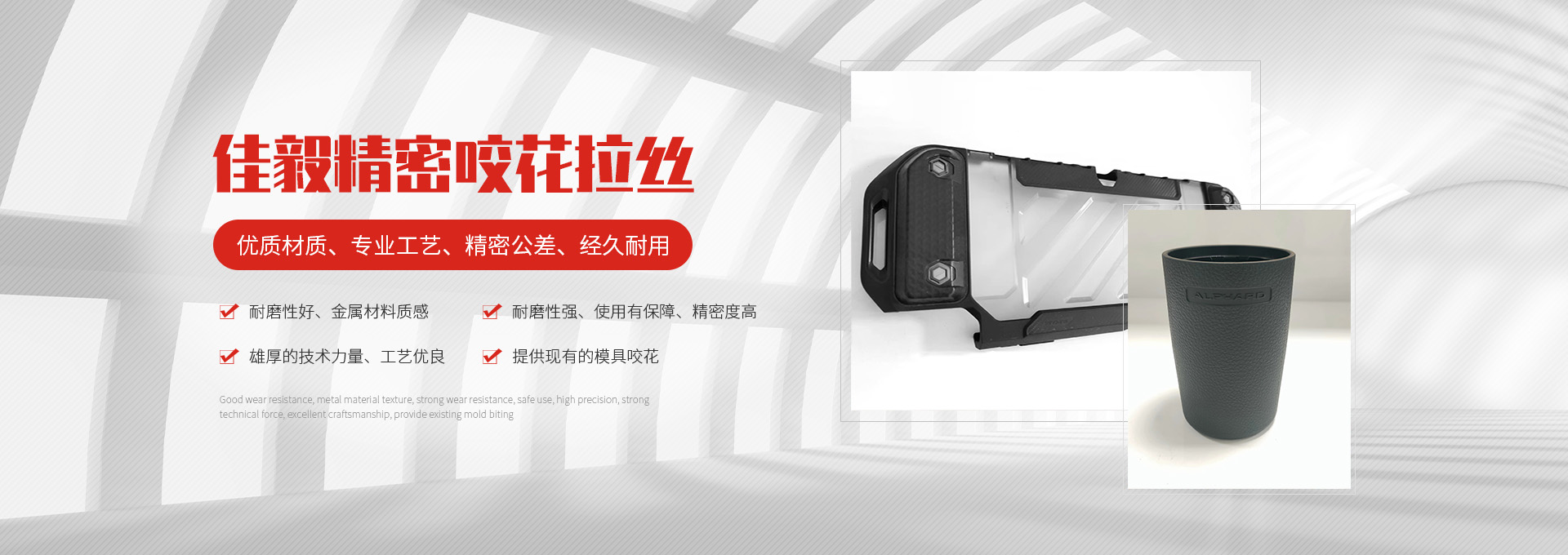
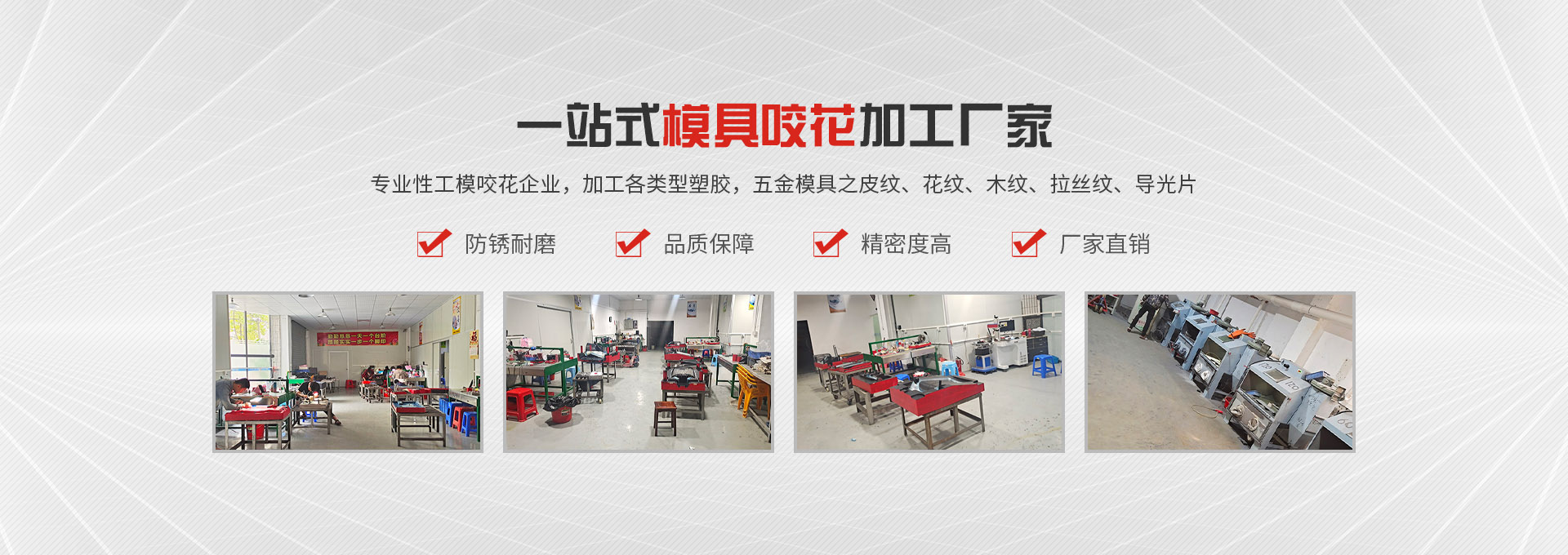

Polished brushing texture is a processing method for metal surfaces, specifically referring to the use of mechanical or chemical means to create a surface with regular and aesthetic patterns. These patterns mimic the look of brushing, hence the name "polished brushing texture." To avoid defects in the polishing and brushing process, attention should be given to the following aspects:
1. Selecting Appropriate Polishing Equipment and Tools: Choose the right polishing equipment and tools based on the material and size of the workpiece. Ensure the equipment operates stably, and the tools are sharp and suitable for polishing needs to minimize defects caused by equipment or tool issues.
2. Governing Polishing Parameters: The parameters during the polishing process, such as polishing speed, pressure, and time, greatly influence the polishing quality. These need to be adjusted according to the specific workpiece to achieve ideal polishing results.
Ensure polishing environment: The polishing environment should be kept clean and dry to avoid the impact of dust, impurities, and other contaminants on the polishing quality. Additionally, control the temperature and humidity of the polishing environment to minimize defects caused by environmental changes.
4. Pay attention to surface pretreatment of workpieces: Before polishing, the workpiece surfaces should be cleaned and free of oil, rust, and other contaminants. For workpieces with rough surfaces, a coarse polishing or grinding treatment can be performed first to enhance polishing efficiency and quality.
合理安排 Polishing Processes: The polishing process should be arranged according to the specific characteristics of the workpiece, avoiding over-polishing or insufficient polishing during the process. Additionally, pay attention to the transitional handling during polishing to reduce defects caused by improper process management.
