
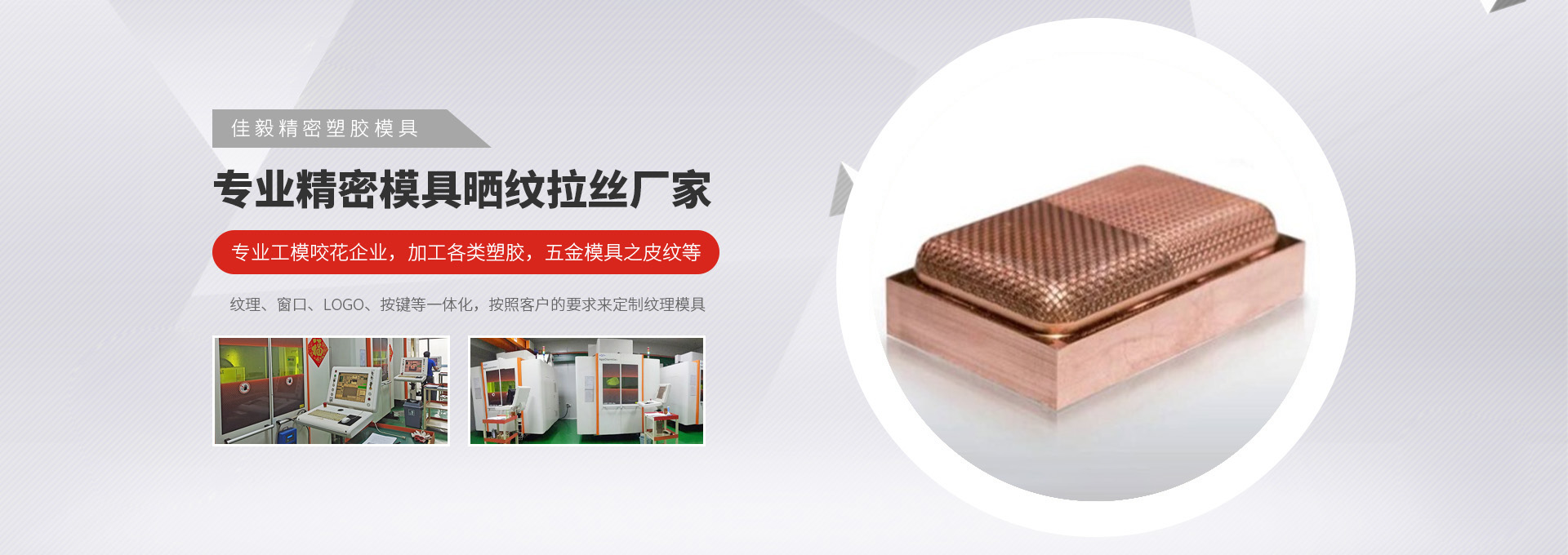
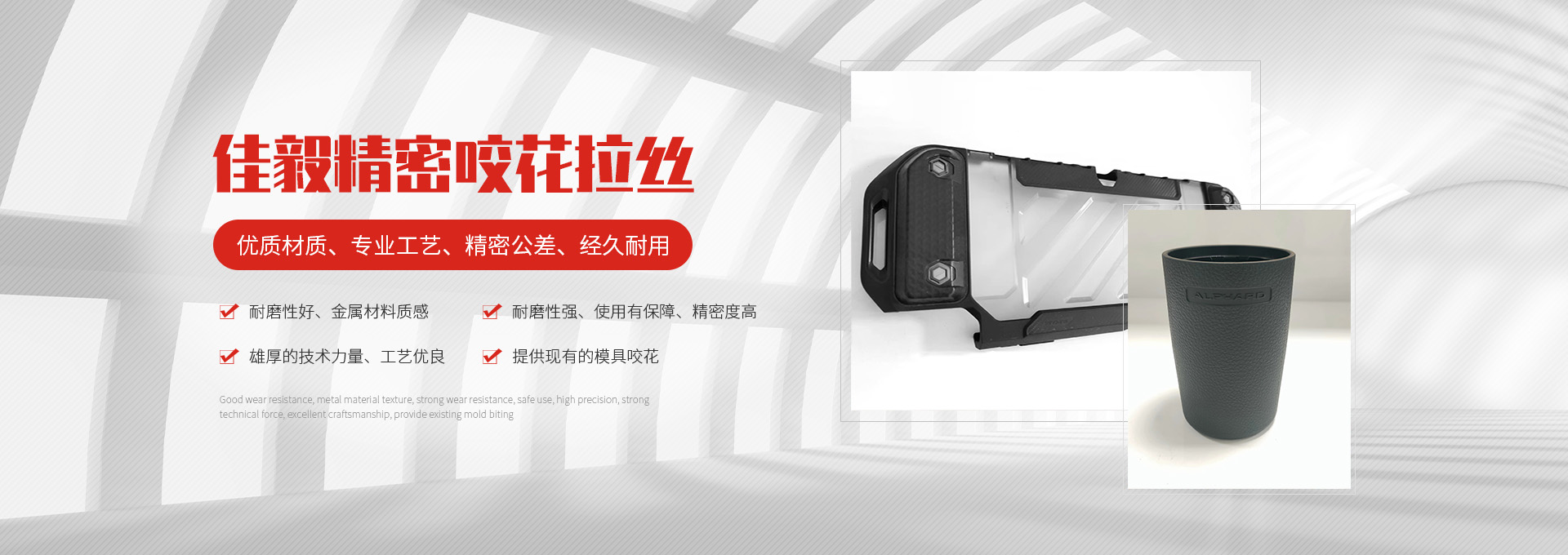
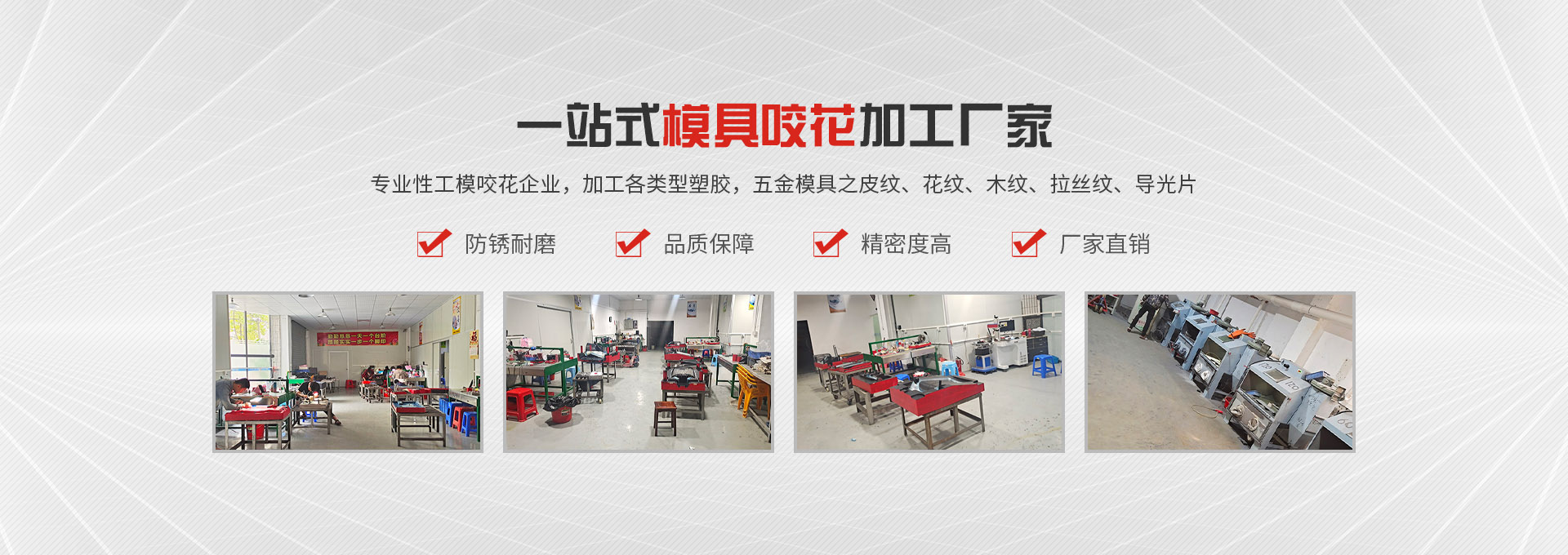

Rubber etching, also known as mold etching, mold bite pattern, or mold corrosion, is a process that creates specific textures or patterns on the surface of rubber or silicone products. The primary goal of this process is to enhance the product's aesthetic texture, showcasing a more diverse appearance with features like multiple serrated shapes or bite patterns.
The primary process flow of rubber cracking includes:
Selecting the appropriate embossing material, typically textured materials such as rubber or silicone, is crucial to ensure the quality and effectiveness of the embossing.
2. Clean and process the mold surface by using cleaning agents and sandpaper to remove impurities and irregularities from the mold surface, ensuring the surface is clean and smooth.
3. The sun pattern materials are to be evenly coated onto the mold's forming surface with the selected sun pattern materials. This can be done using a brush or by spraying, among other methods.
4. Drying and curing: Place molds coated with sun pattern material in a well-ventilated and dry environment for drying and curing. The curing time depends on the type and thickness of the sun pattern material, typically ranging from several hours to several days.
After cleaning, polishing, drying, and curing, use scrapers and sandpaper to remove excess curing materials and uneven surfaces, ensuring the mold surface is smooth and flat.
