
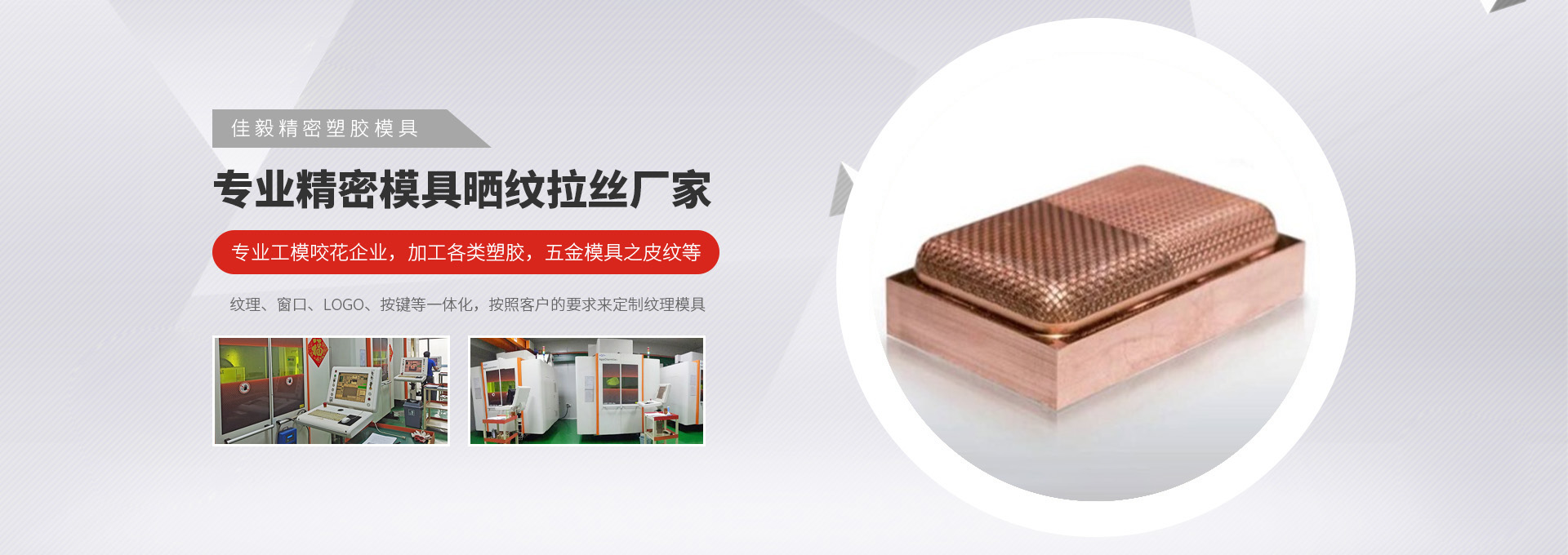
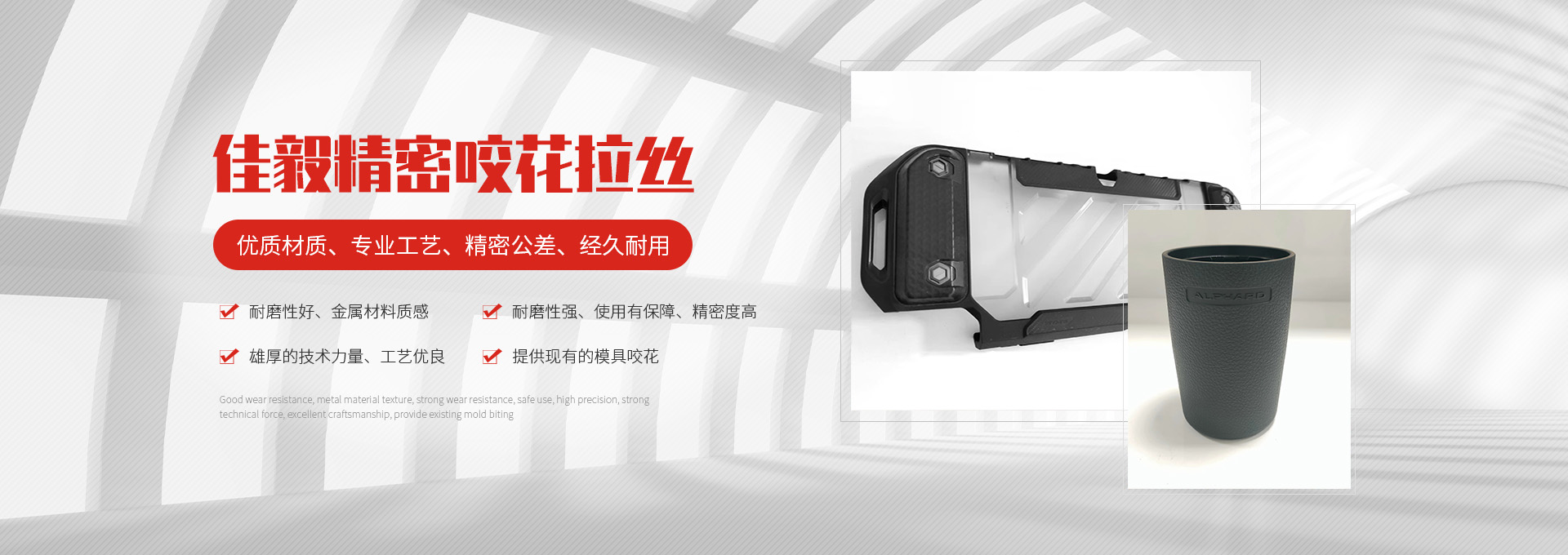
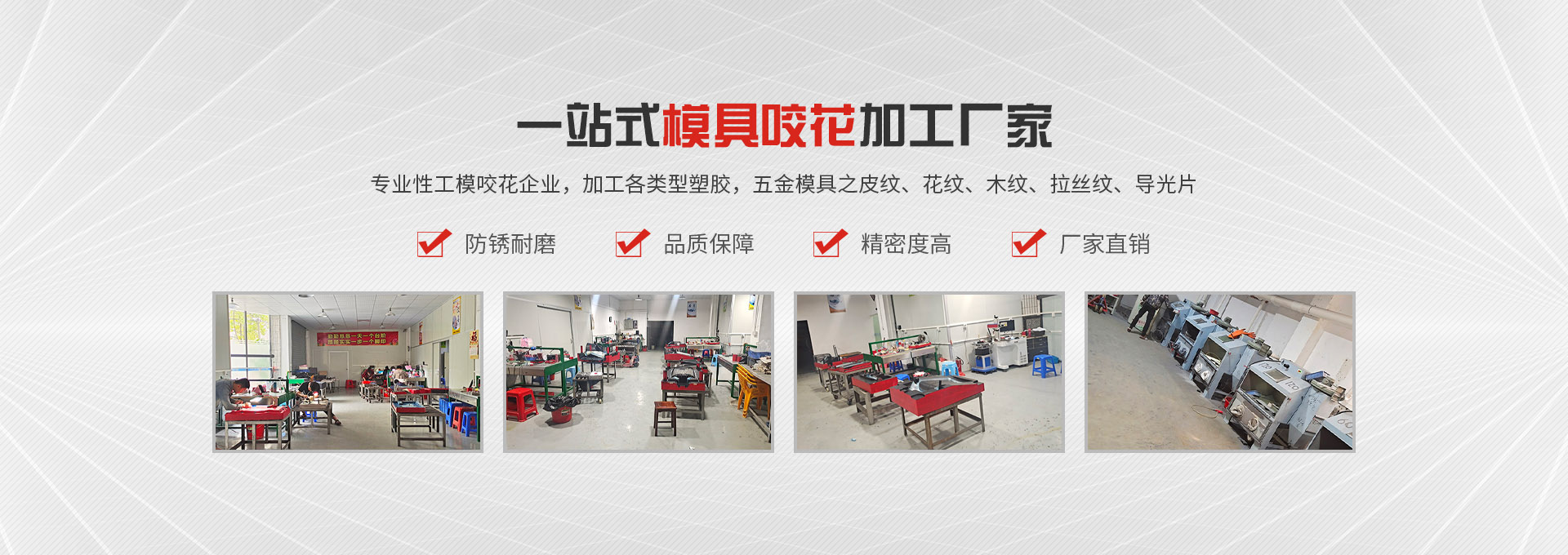

Micro-embossing is a process that creates fine concave and convex textures on the surface of molds, commonly used for plastic molds and die casting molds. It allows the product surface to display various textures and patterns, thereby enhancing the aesthetic appeal, anti-slip properties, or meeting specific design requirements. The characteristics and performance of micro-embossing are primarily reflected in the following aspects:
Diverse Design Effects: The concave-convex embossing process, through a chemical reaction with mold raw materials, allows plastic parts to present various or upgraded design schemes. This technique can create a variety of textures and patterns on the product surface, including cross textures, vertical textures, circular patterns, etc., to meet different design requirements.
Product Aesthetics: The embossed texture process significantly enhances the visual appeal of products, making them more attractive. This technique is commonly used in the production of various plastic items such as phone cases and cosmetic packaging. By adding texture and patterns to the surface, it increases the product's aesthetics and market competitiveness.
3. Anti-Slip Design: In situations requiring anti-slip designs, such as staircases and handles, the concave-convex embossing technique can create a textured surface, enhancing the product's anti-slip properties and increasing user safety.
Engraving Production: The凹凸晒纹工艺can create various types of text and patterns, suitable for making signs and labels. For instance, marking production dates and batch numbers on plastic bottles facilitates consumer identification and usage.
5. Mold Improvement: The embossing and debossing process can be applied to used molds to improve them, repairing surface defects or enhancing their wear resistance, thereby extending the lifespan of the molds.
