Shandong Provincial Architectural Design & Research Insti...

In early 2020, the novel coronavirus swept across China, revealing significant shortcomings in our current public health system in responding to sudden public health emergencies. This has prompted profound reflection and led to the proposal of optimization and enhancement strategies for the planning and design of medical buildings at the current stage, in hopes of calmly addressing such sudden public health emergencies as the novel coronavirus pandemic in the future.
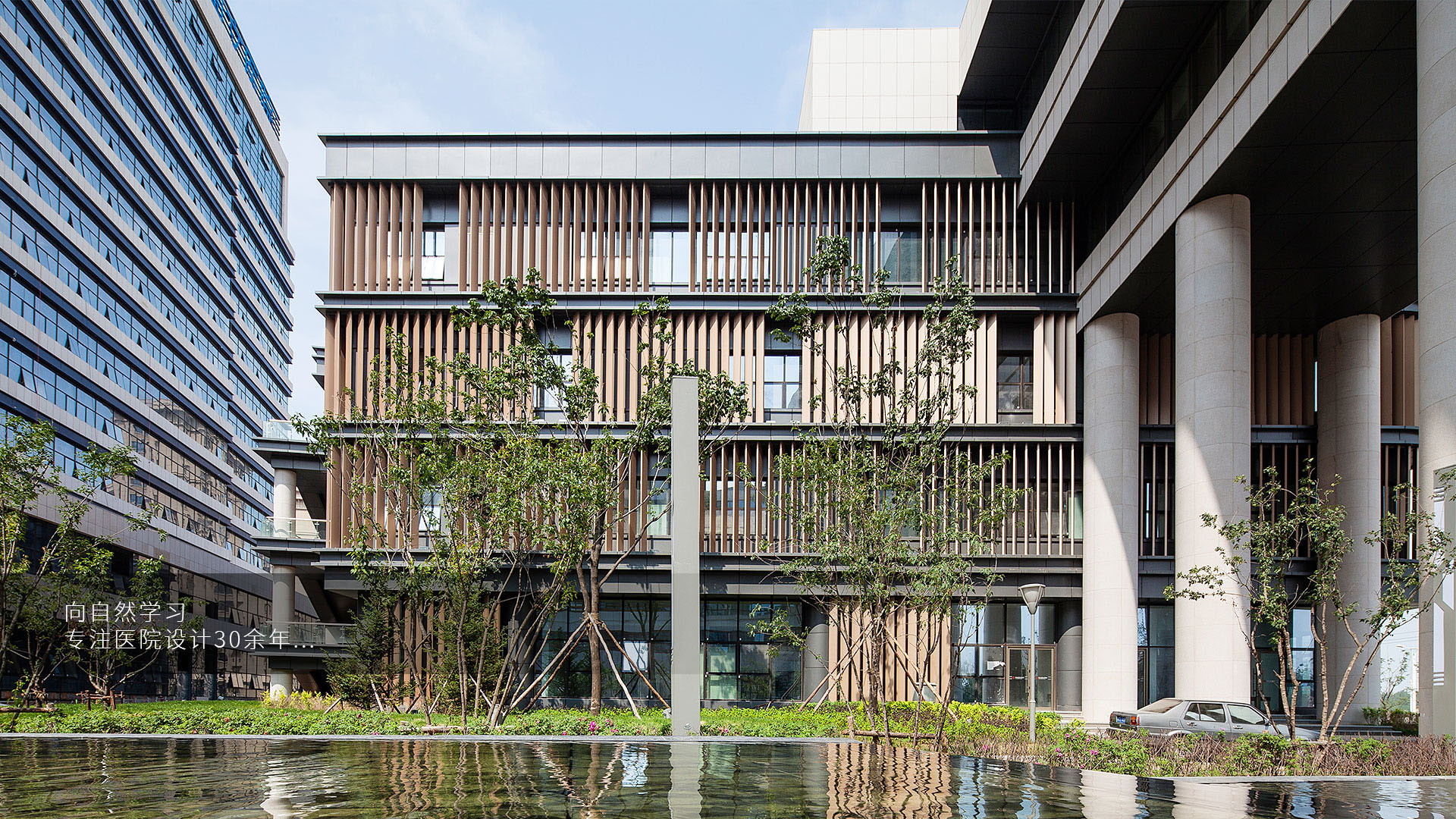
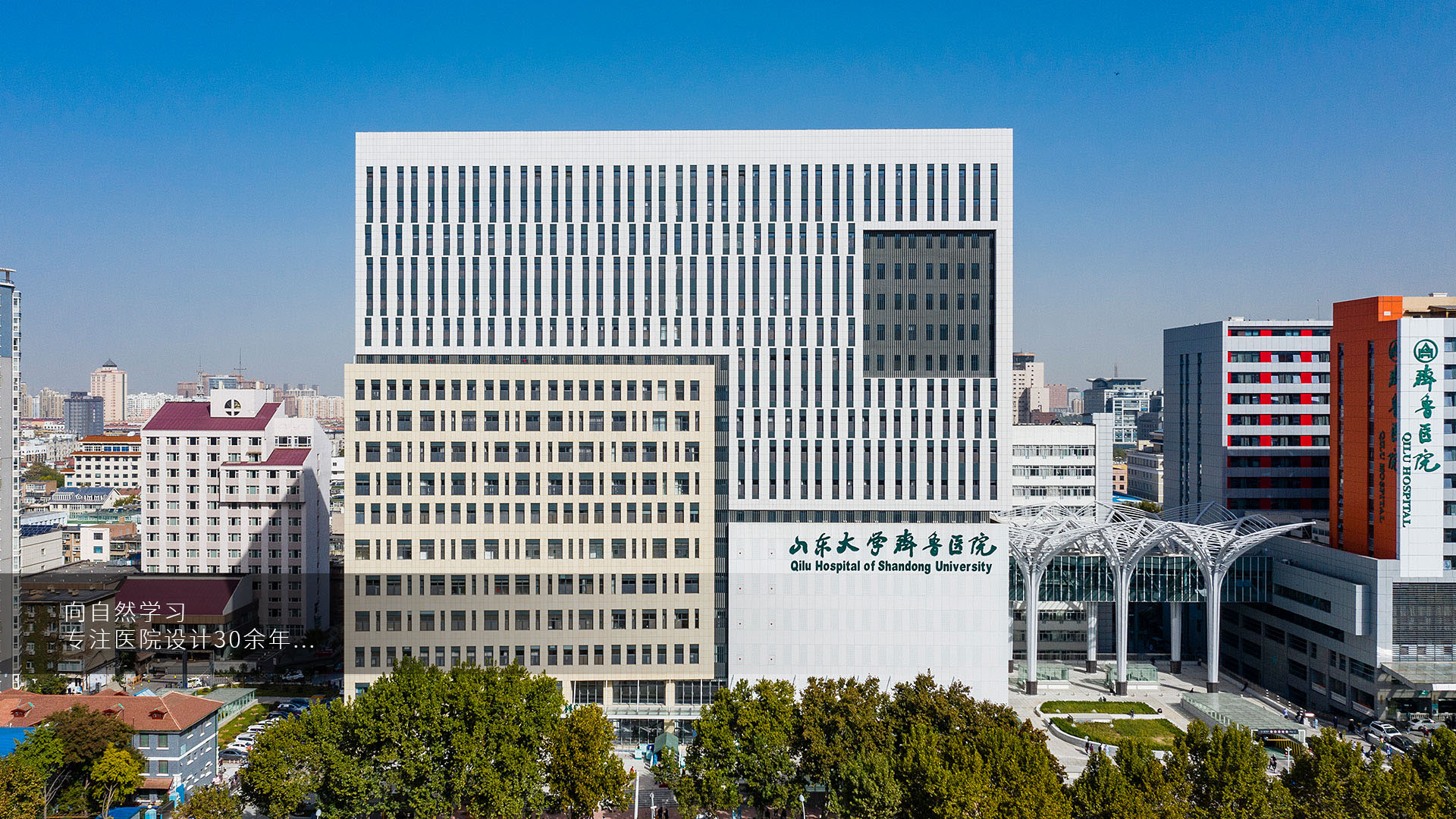
To enhance medical building planning and design, it is necessary to allocate emergency sites and facilities at the urban planning level, ideally near medical facilities for convenient access to surrounding medical resources and infrastructure. Additionally, designated hospitals for specialized treatment should be constructed in various regions, with isolation medical areas or disposal zones reserved on top of existing medical, logistics, and research and teaching zones. Optimize the overall layout in medical building planning and design by prioritizing a combination of dispersed and centralized layouts—the "hospital within a hospital" design. Deploy medical resources with multiple specialized centers or medical centers, as seen in the Shandong University Qilu Hospital Langu Valley Campus project (Figures 1-3). Enhance the safety of the campus environment, reduce personnel congregation within the hospital, and strengthen technical protective measures in susceptible areas, while optimizing the medical treatment process for infectious diseases.

Image 1: A bird's-eye view of the Qilu Hospital of Shandong University's Lügu Valley Campus project
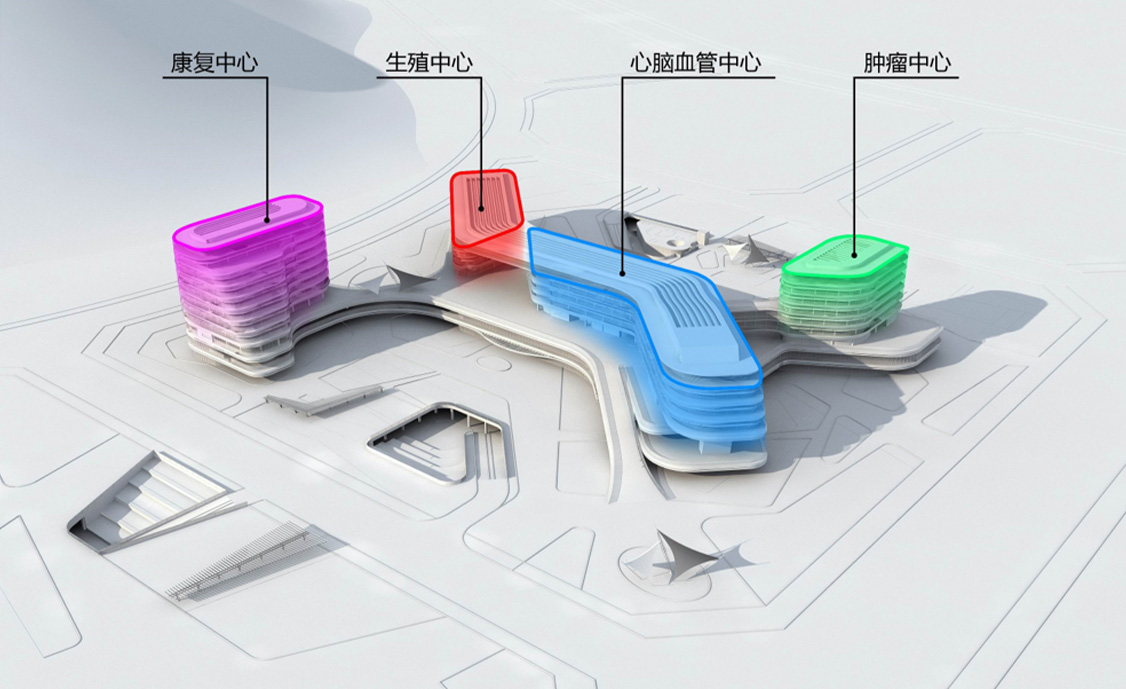
Figure 2: Overall Layout of the Blue Valley Campus of Qilu Hospital, Shandong University
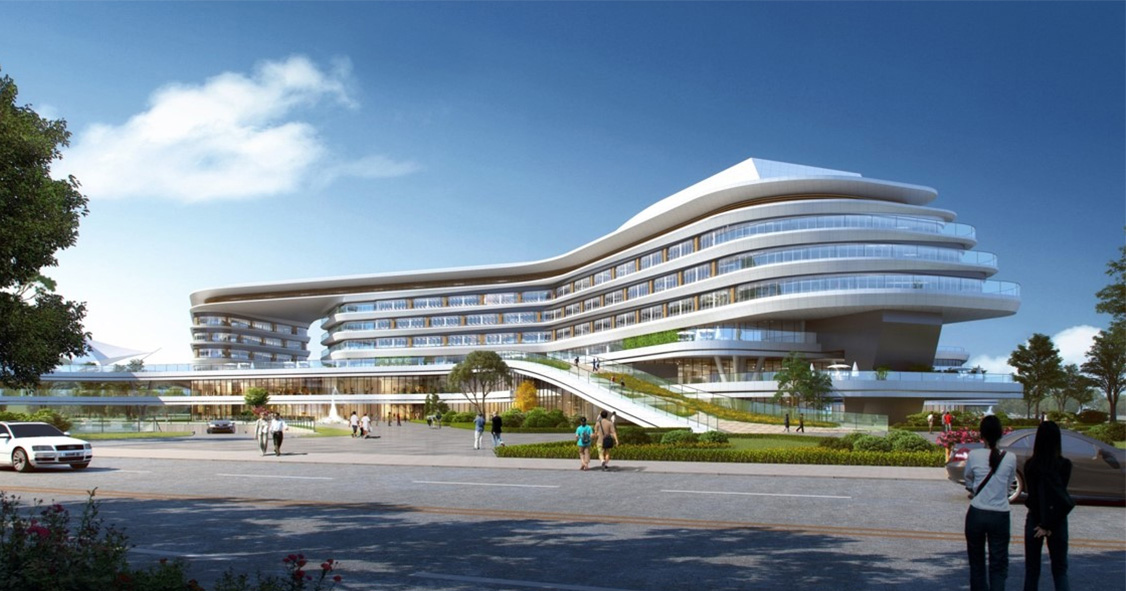
Figure 3: Entrance View of the Lügu Campus of Qilu Hospital, Shandong University


b2b.china9.net © Zhongshang 114 Hebei Network Technology Co., Ltd.Address: Room 6009, Oriental New World Center, No.118 East Zhongshan Road, Qiaoxi District, Shijiazhuang City, Hebei ProvincePlatform Service Hotline: 4006299930