
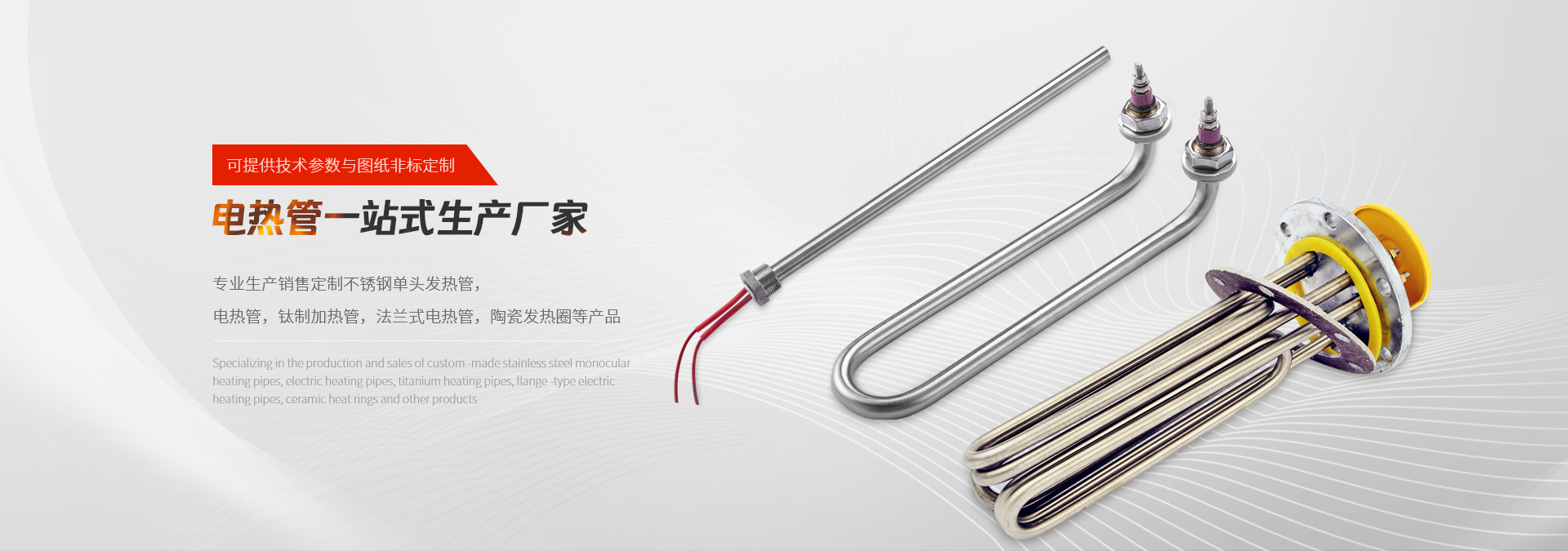
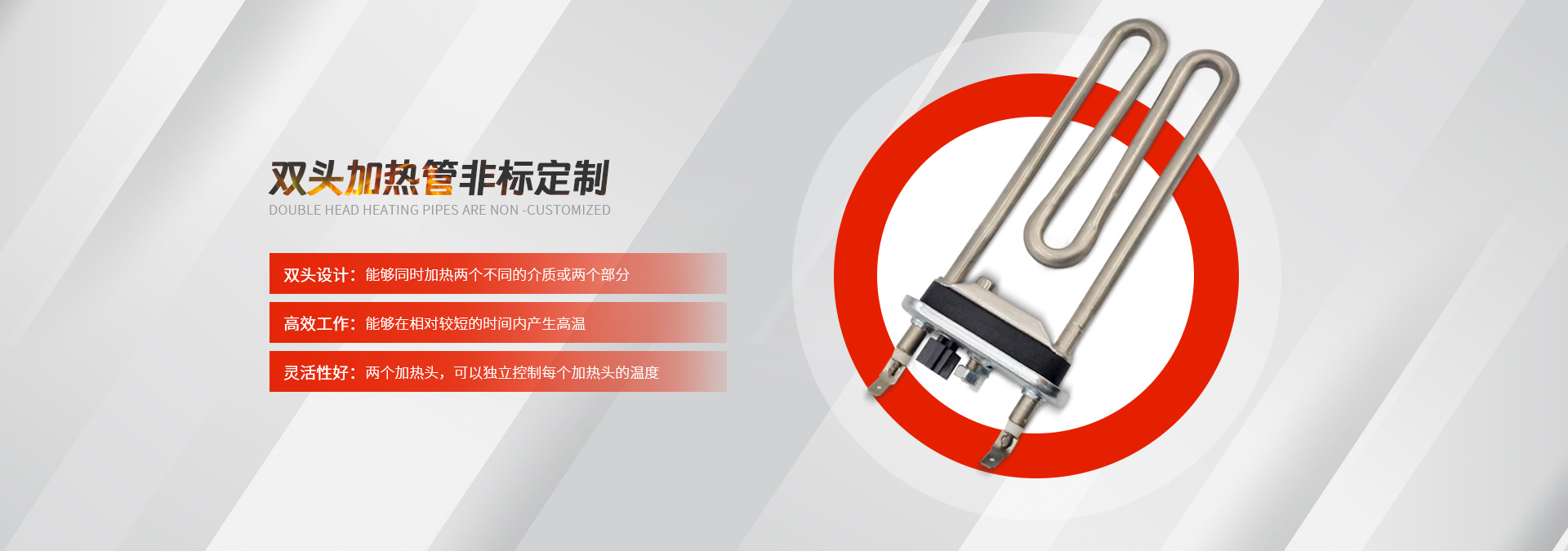
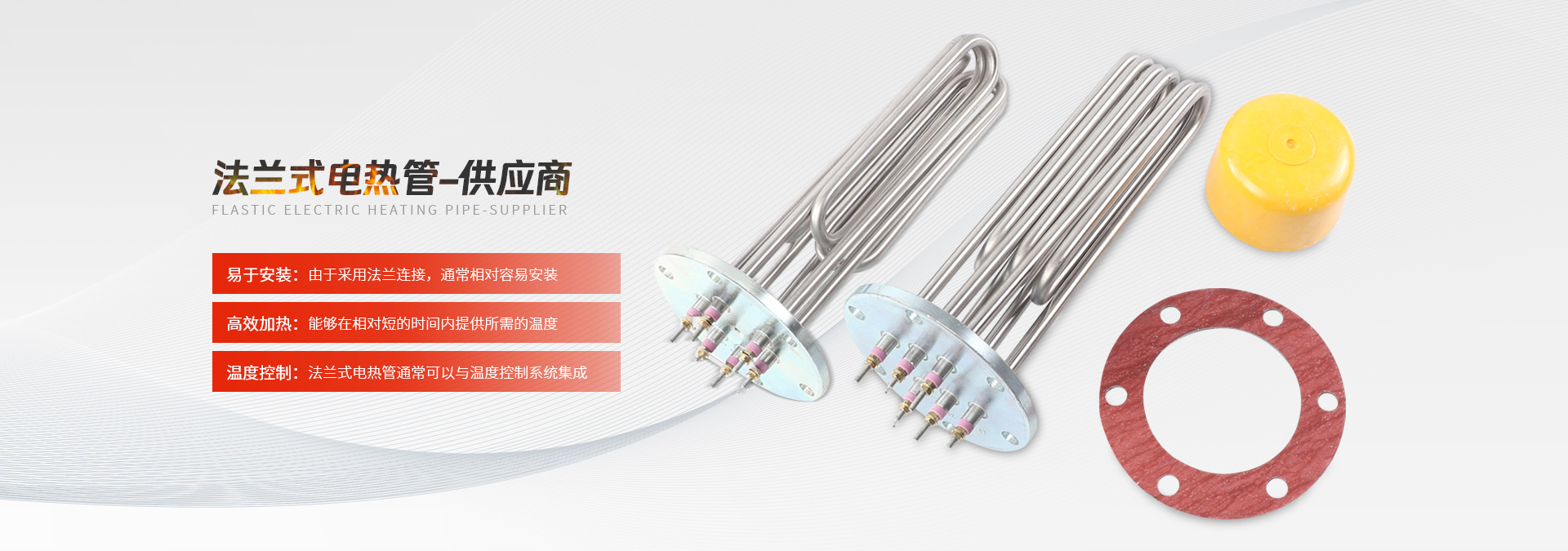

Heating tubes have a wide range of applications, some of which include:
1. In the industrial sector, heating tubes are widely used in heat exchangers as a critical component. They facilitate the transfer of heat from one fluid to another, which can be applied for heating or cooling fluids. This heat transfer is extensively utilized in industries such as chemicals, oil, and energy.
2. Aerospace Field: Heat pipes can maintain internal temperature control for aerospace vehicles facing extreme temperature conditions by adjusting the flow rate and temperature of the internal fluid. This ensures the normal operation of the aerospace vehicle while also extending the lifespan of the components.
3. In the electronics sector: As electronic devices continue to evolve, their integration levels increase, leading to higher power consumption. Consequently, heat dissipation has become a crucial factor limiting the performance of electronic devices. Heat pipes can rapidly transfer the heat generated by electronic components to the heat sink or cooling fan, thereby maintaining the temperature of the components within a safe range.
4. Heating and Cooling Applications: Heating elements are not only used for heating purposes, such as heating floors, heating pads, and heating basins for household items, but also for cooling by absorbing heat from one location and then dissipating it through conduction, convection, or radiation to achieve cooling effects.
5. Other Fields: Heat pipes are also applicable in the automotive industry, petrochemical sector, and more. For instance, they can transfer heat generated by car engines to radiators to ensure proper engine operation; in high-altitude aircraft, they help maintain temperature; in the petrochemical industry, heat pipes are utilized in processes like distillation and heating.
Overall, the heating tube is an efficient, environmentally friendly, and energy-saving electrical heating element, widely used in various heating applications.
