
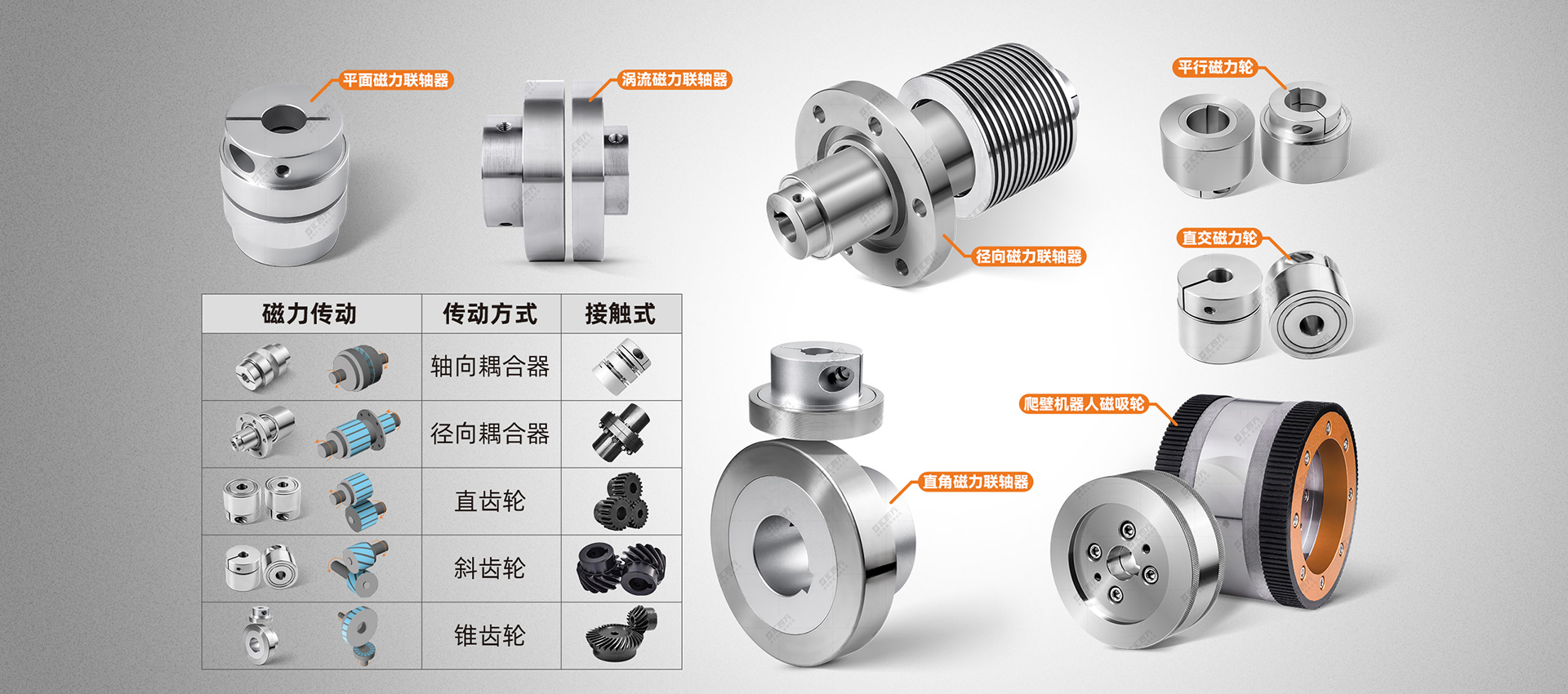
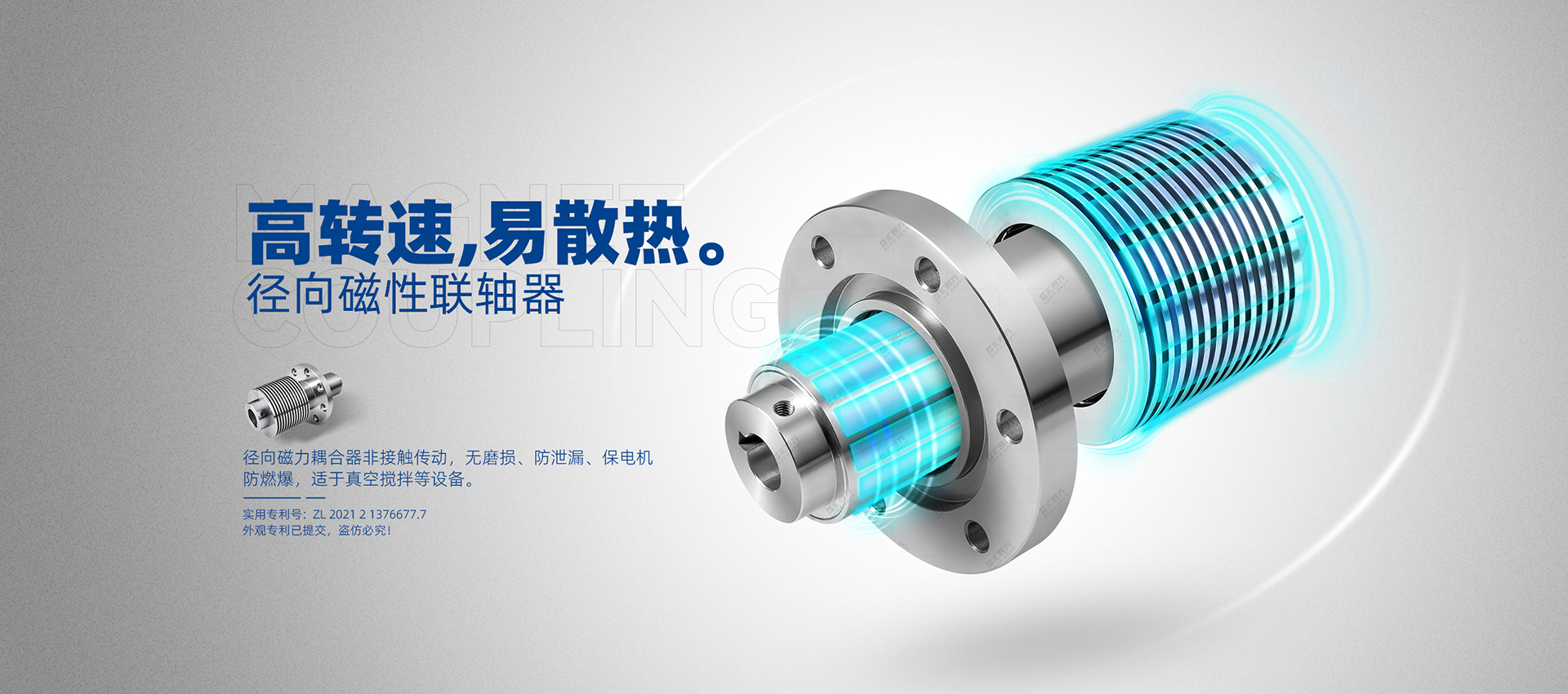

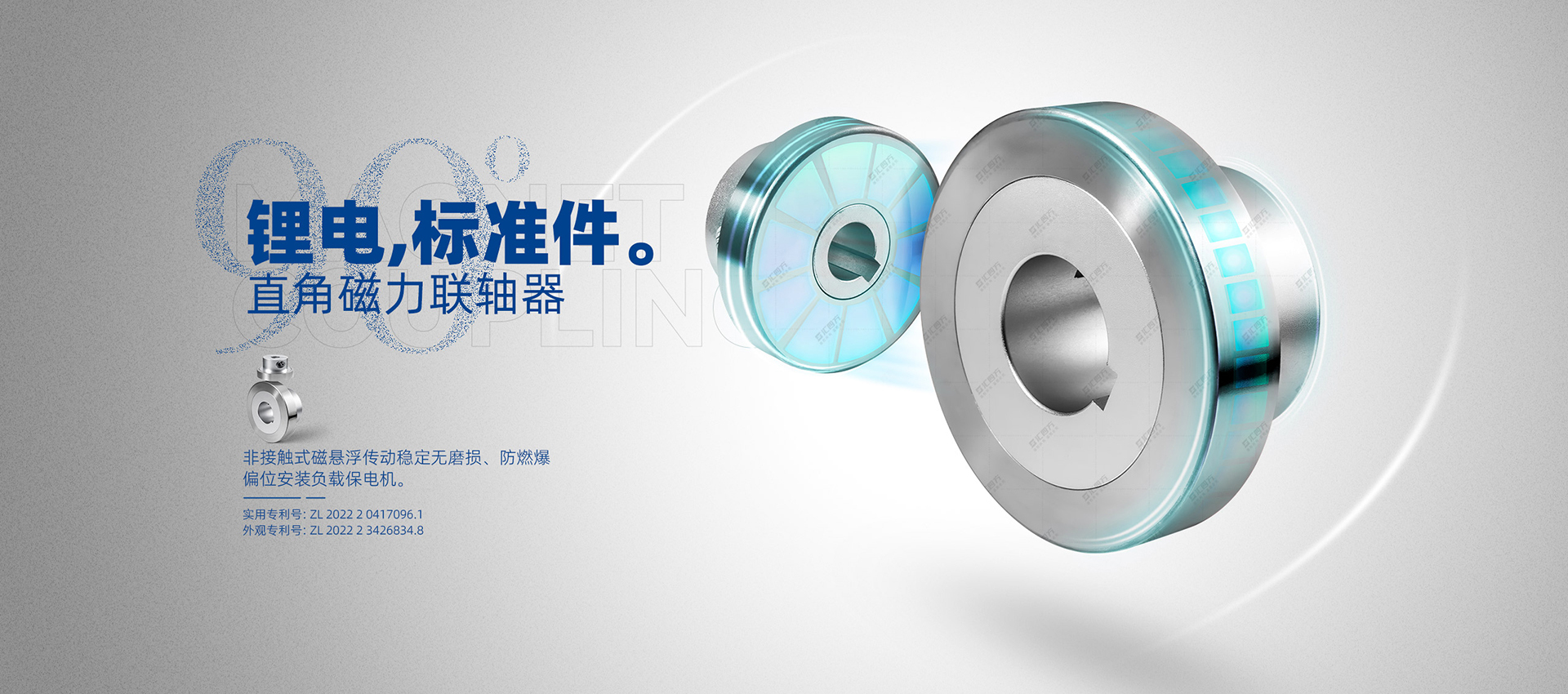
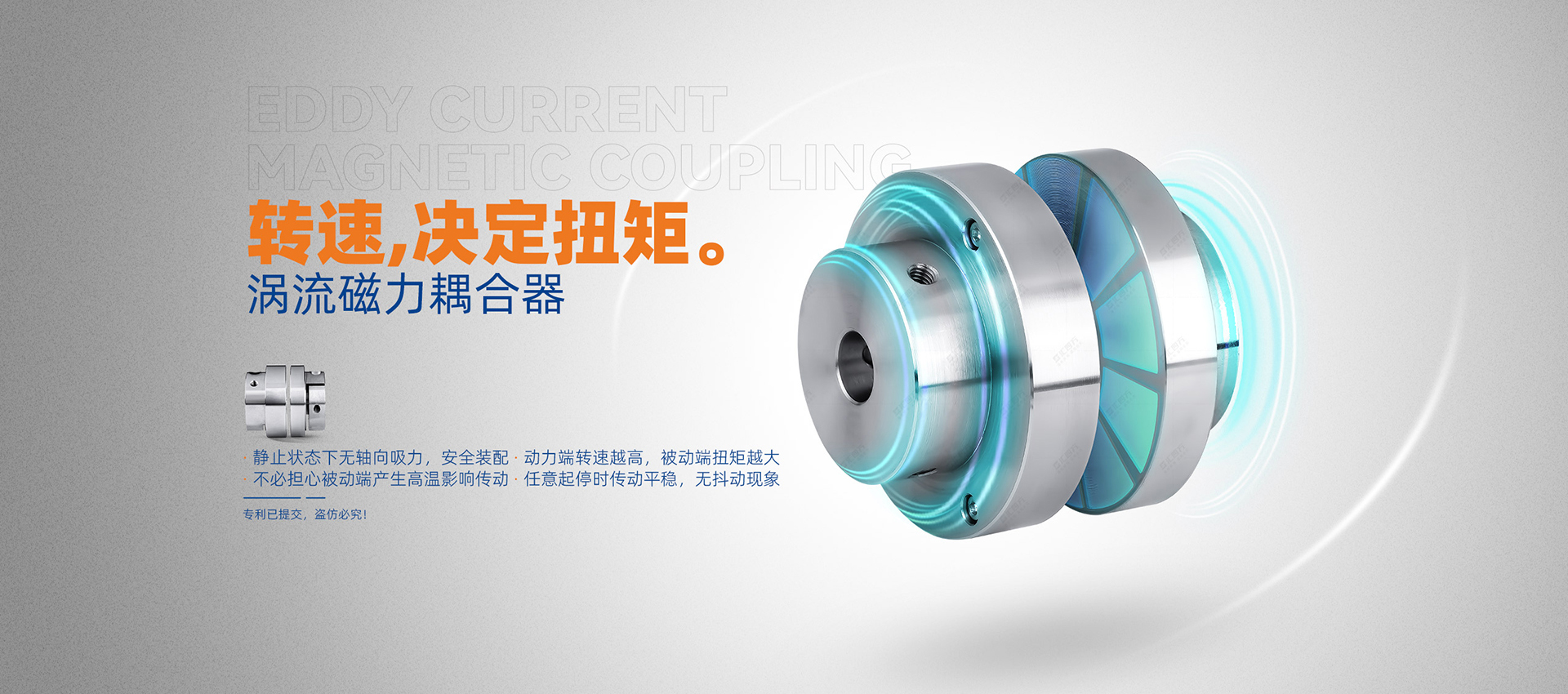

Magnetic gears, this non-contacting transmission device, while free from mechanical wear, does have its own unique maintenance requirements. Once exposed to harsh environments like acidity and salt, with the passage of time, the surface plating can be subjected to corrosion and rust, necessitating a replacement. Alternatively, due to improper installation or the passage of years, the bearing clearance may gradually increase, leading to intimate contact between the magnetic wheels and subsequent wear. This too calls for a replacement. So, what should we pay attention to during this replacement process?
Firstly, specifications like outer diameter and inner hole size are as important as tailoring to fit. We must ensure that the new magnetic wheel matches the size of the old one; otherwise, it won't fit if it's too large or match if it's too small, and a misfit in the inner hole will make installation a pipedream. This is something that everyone is well aware of, and there's no need for excessive elaboration.
Next, the selection of transmission direction should not be overlooked. Whether it's right-angle or parallel transmission, accuracy is paramount. Especially with right-angle transmission, distinguishing between left-hand and right-hand slopes is crucial. While it's commonly believed that right-hand slope is more prevalent, there are exceptions, such as the left-hand slope used in the past by Japanese magnetic wheels. If the left and right are reversed, the magnetic wheel will be unable to exert its power.
Furthermore, the number of poles should be of concern. Each magnetic gear contains numerous poles, which are invisible to the naked eye but can be observed with professional tools. You can inspect the diagonal marks left on the magnetic gear or notice the lines that appear when dust accumulates in the non-magnetic zones. Of course, if you have any doubts, feel free to call our company. Watching a short video will clarify the number of poles.
Moreover, the temperature used should also be considered. Standard magnetic wheels are suitable for normal temperature environments, but certain special equipment, such as dryers, must operate at high temperatures. If normal temperature magnetic gears are mistakenly used in a high-temperature environment, the neodymium-iron-boron magnets will gradually lose their magnetism, eventually rendering them unusable.
Next, the manufacturing method of the magnetic wheel, whether by adhesive bonding or sintering, is closely related to its transmission torque. Replacing the original sintered magnetic wheel with an adhesive bonding method might cause slippage due to overloading, rendering it unusable.
Additionally, while flexible in choice, the fixed method must also ensure stability and reliability to guarantee the magnetic wheel operates stably and fulfills its intended function.
