
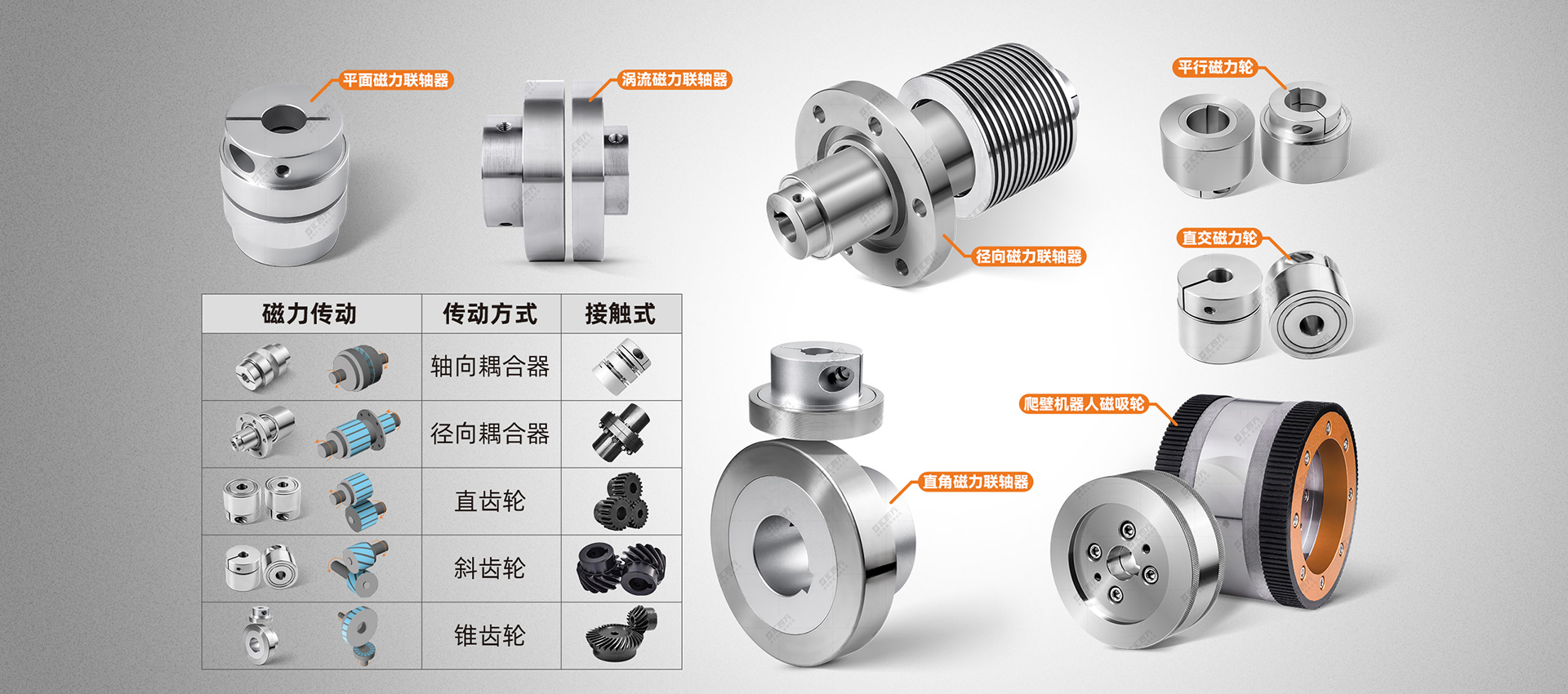
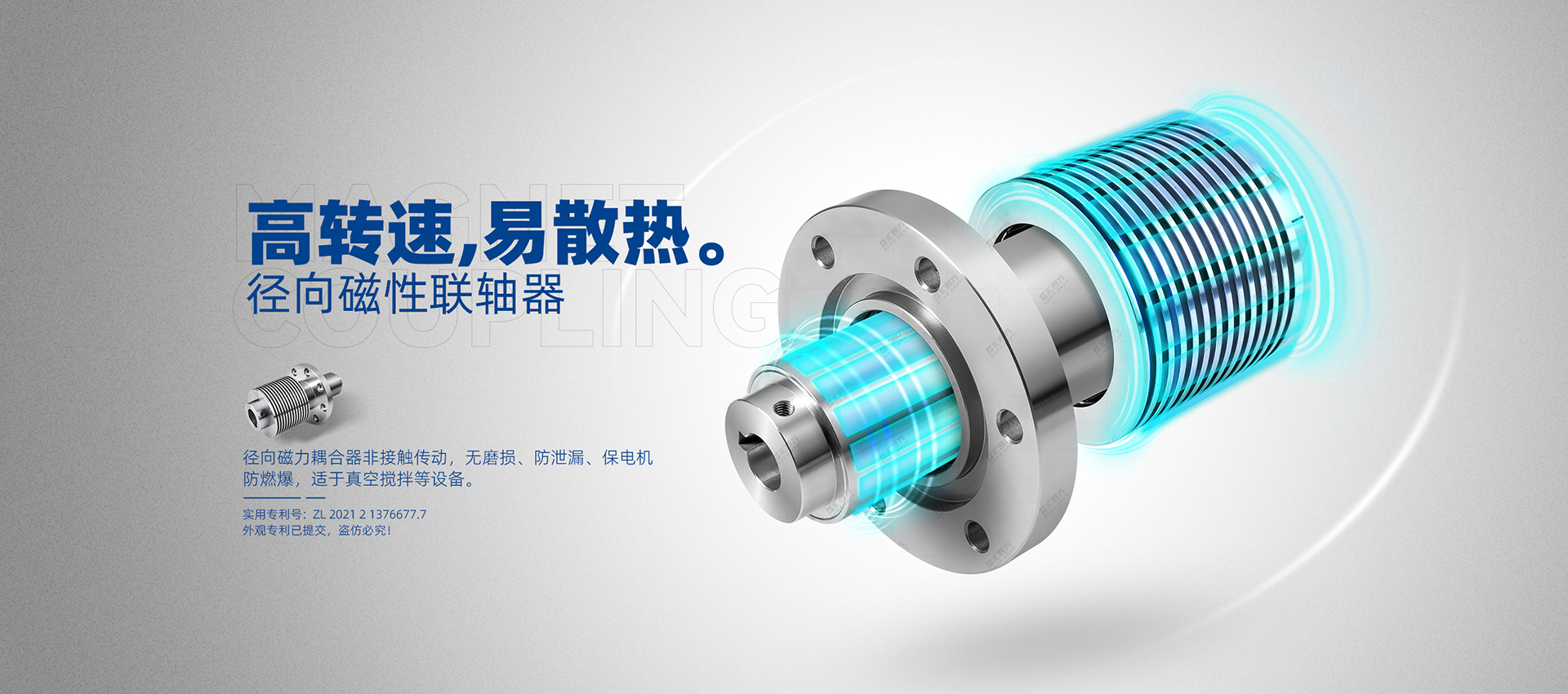

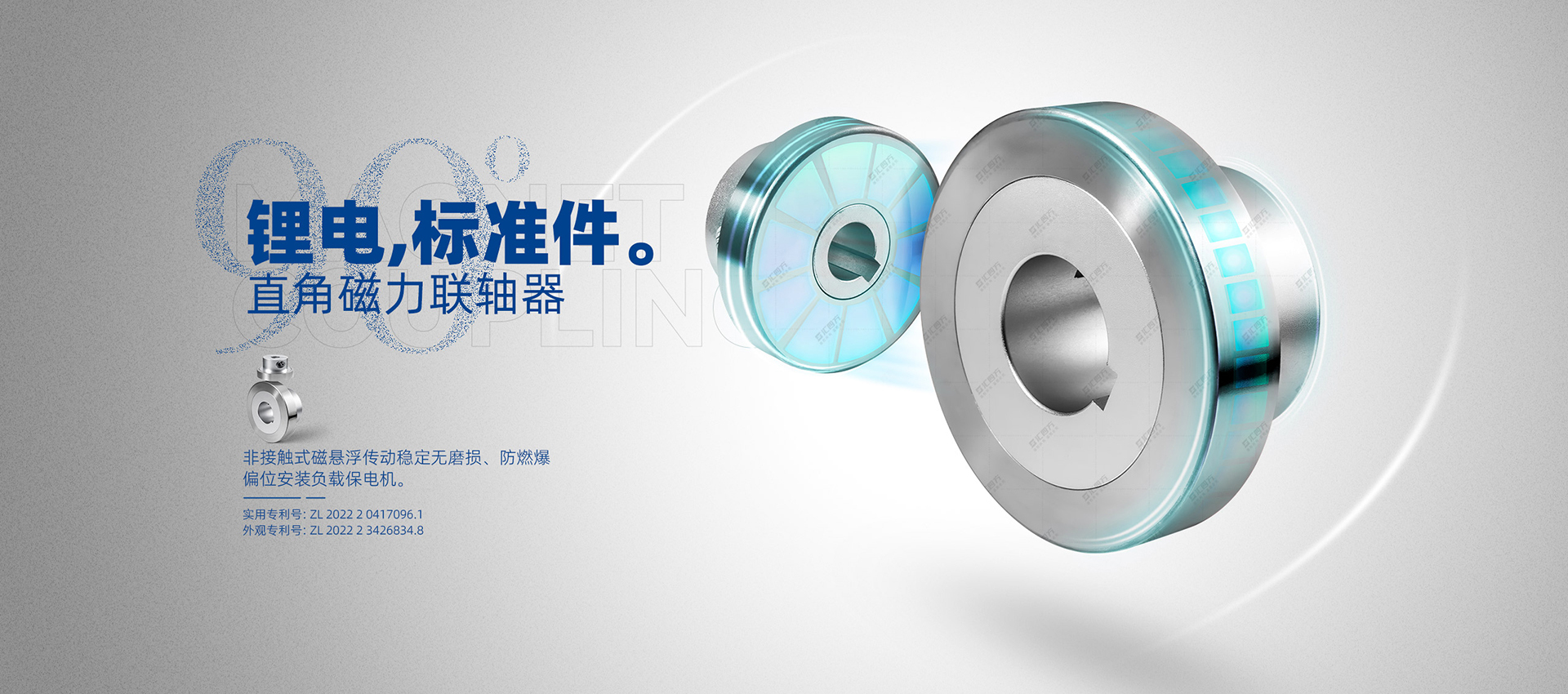
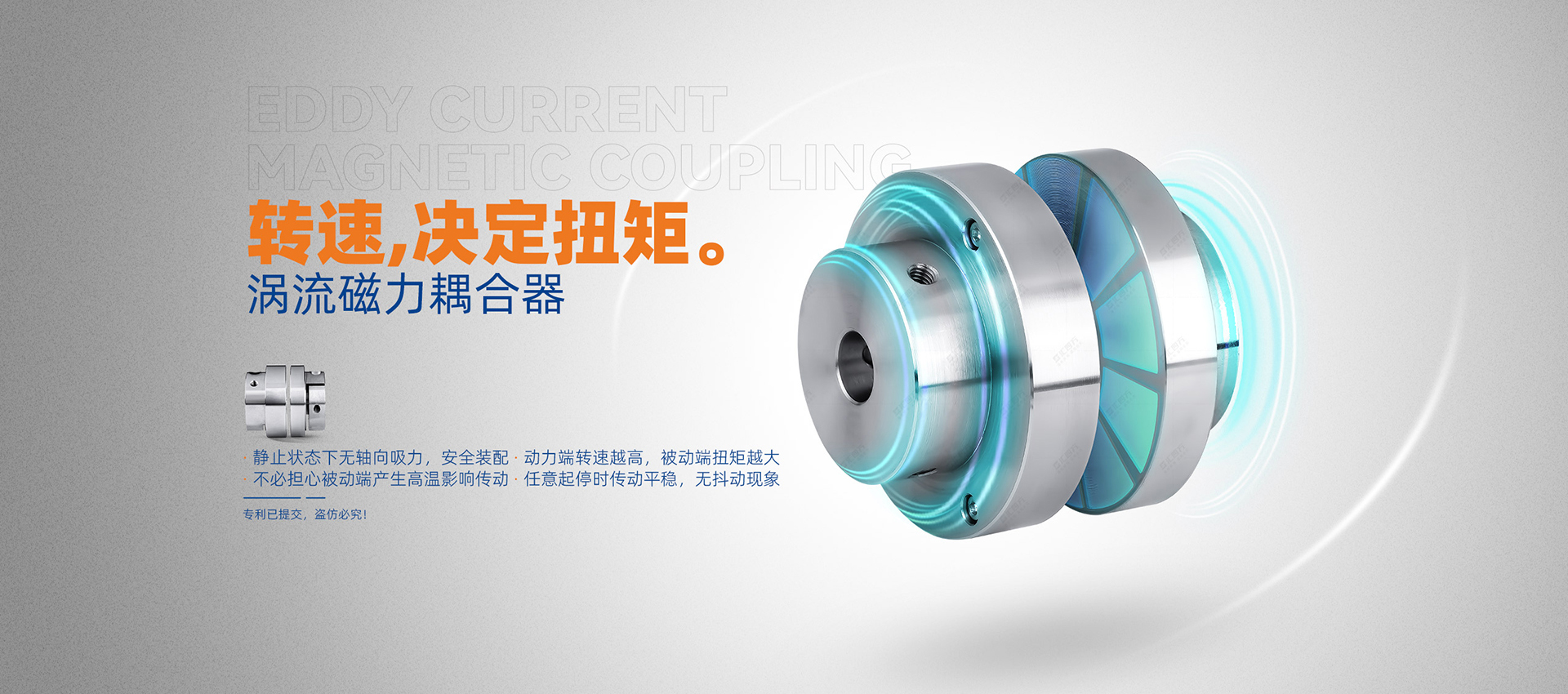

The Magnetic Drive Wheel is a device that utilizes magnetic force for non-contact power transmission, also known as a magnetic wheel or magnetic gear. It is composed of neodymium-iron-boron ring multi-pole magnetic rings and embedded aluminum, iron, or plastic supports, transmitting power through magnetic interactions.
The magnetic drive wheel features multiple transmission modes, including orthogonal, parallel, and conical drives, suitable for applications such as changing the direction of power and transporting goods. The magnetic drive wheel boasts high efficiency, reliability, noiselessness, and requires no maintenance, making it widely applicable in various types of machinery and equipment.
The Magnetic Drive Wheel features three types of transmission methods: orthogonal, parallel, and conical. Detailed information is as follows:
Direct drive refers to two magnetic wheels with their shafts positioned vertically, yet not in the same plane, which can be used for transporting goods or changing the direction of power.
Parallel drive refers to the power transmission between two magnetic gears with their shafts in a parallel state. Its structure is similar to that of a mechanical gear, but the difference lies in the fact that the magnetic wheel does not have the engagement of mechanical gears; it is a non-contact magnetic transmission.
The above information is for reference only. For more details, it is recommended to consult with professionals.
