
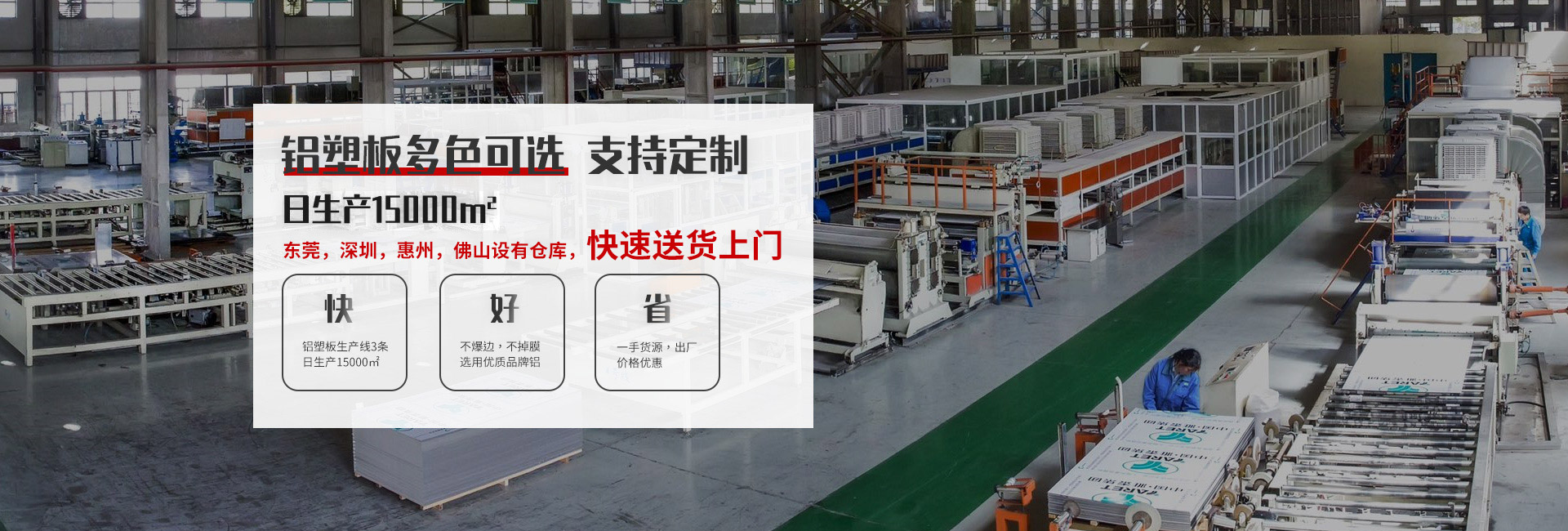
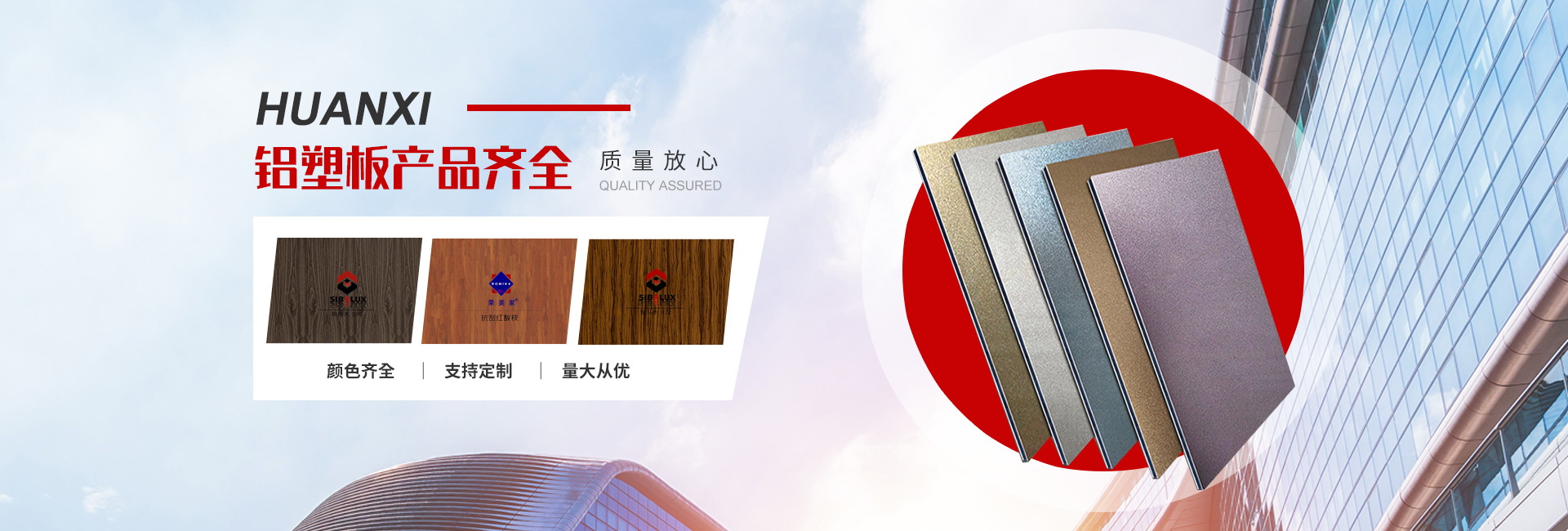

Dongguan aluminum-plastic panels feature a surface paint applied through a high-temperature rolling coating process. The composite material consists of a high molecular membrane. Aluminum-plastic composite panels are made by using chemically treated coated aluminum plates as the surface material, with polyethylene plastic as the core material, and are processed on aluminum-plastic panel production equipment.
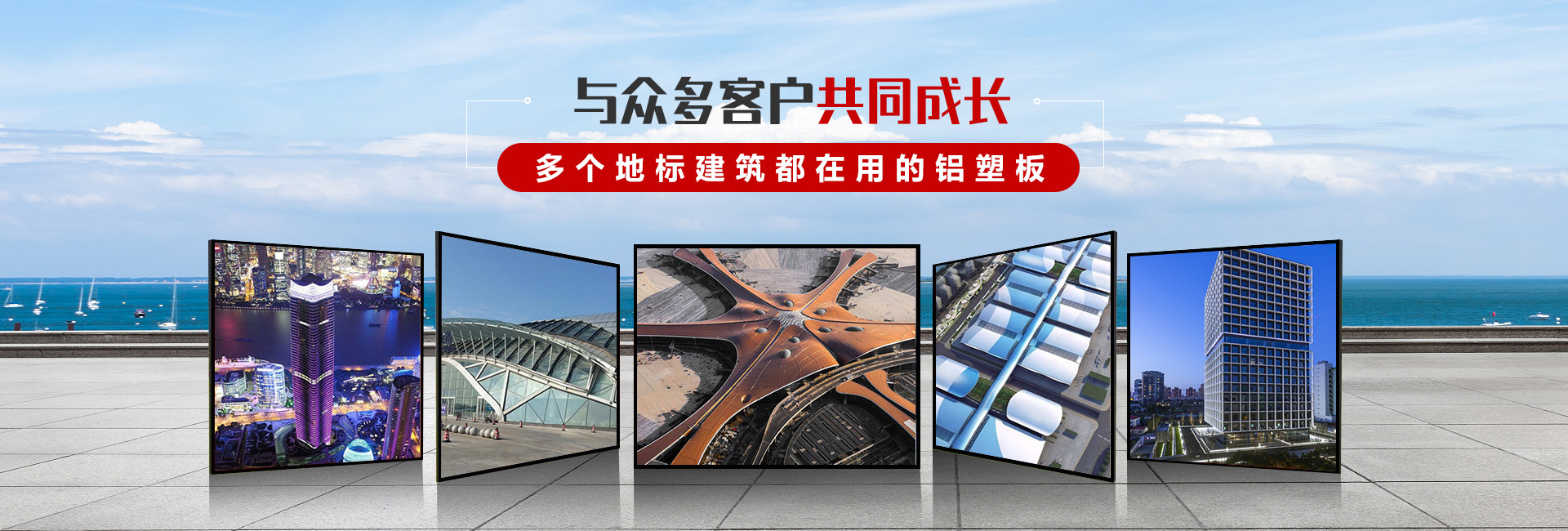
The unique properties of aluminum-plastic composite panels determine their wide applications, including building facades, curtain walls, renovation of old buildings, interior wall and ceiling finishes, advertising signs, display racks, and purification and dust control projects. They belong to a new type of architectural decoration material.
The aluminum-plastic panel is free of contents.Hazardous MaterialsThe material is relatively stable and has strong antioxidant properties, but if we use glue for bonding, there will be emissions.
Dongguan aluminum-plastic panels are harmless to humans on their own, but they require adhesive to be attached to objects, and the adhesive itself contains harmful substances. These panels have a short lifespan and poor antioxidant properties, and are generally used for storefronts or shop renovations; they are not commonly used in home interiors. If environmental concerns are a priority, it is recommended to use panels of your preference and then paint them in your favorite color.
Aluminum-plastic panels for indoor decoration have a history of nearly 20 years in China. With the corresponding national recommended standards, GB/T17748-2008 and 22412-2008, it is unimaginable for the country to release national standards for regulation and promotion if the product is toxic when used indoors.
