


Low-voltage and high-voltage power distribution engineering emerged to meet the increasing demand for industrial and domestic electricity in the context of rapid economic development. Today, I'll provide a detailed introduction to low-voltage and high-voltage power distribution engineering.
High and low voltage distribution cabinets refer to a device that converts high voltage in a circuit to low voltage, which is then supplied to various power-consuming units. Power companies utilize high and low voltage distribution engineering to address some safety issues in the installation and use of electricity. As these high and low voltage distribution engineering equipment play a crucial role in power engineering, it is essential for users to take good care and maintenance in daily use to ensure the effective supply of electricity.
Low-voltage and high-voltage power distribution engineering ensures the stability of power operation and is applicable in many fields. As an indispensable part of power distribution engineering, it mainly includes two components: low-voltage complete switchgear and control equipment. Generally, the power system of low-voltage cabinets has specified rated current and voltage. When power companies use these devices, providing a working environment within the rated power and voltage is crucial for stable operation. Additionally, selecting different protection modes for power distribution engineering based on various work sites is key to ensuring the equipment's stable operation.
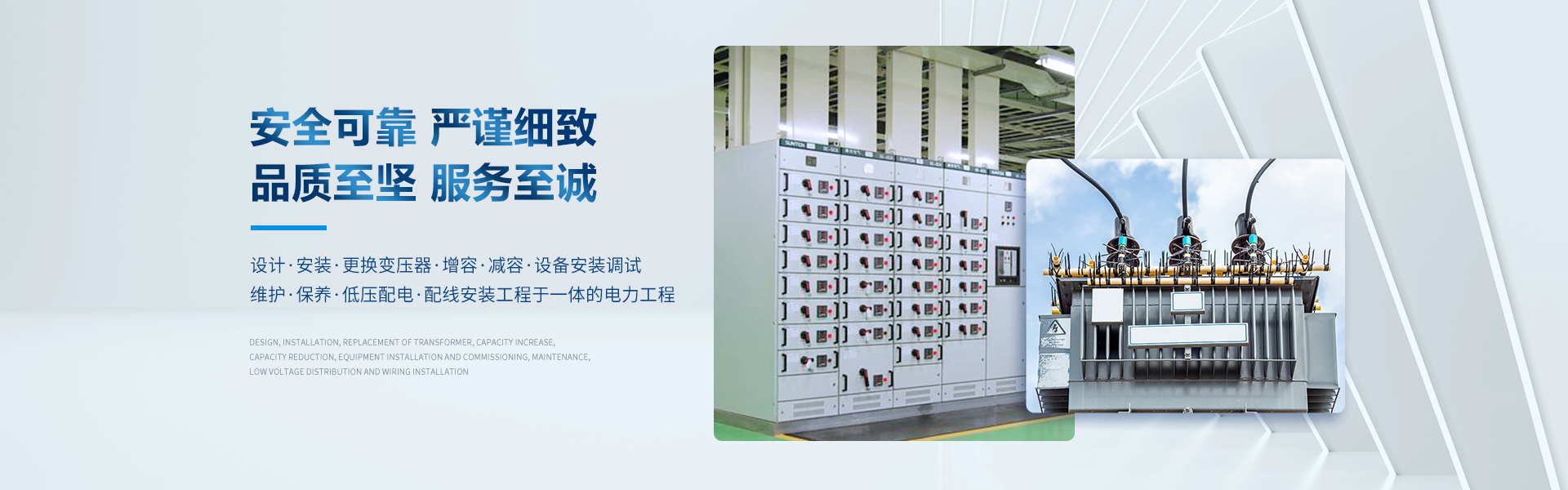
Equipment primarily used in high and low voltage distribution engineering includes: distribution panel control devices, protection devices for distribution panels, power signal transmission devices, and high and low voltage switches. Additionally, power companies will select some accessories related to power equipment and other necessary working components based on the specific investment and usage of the high and low voltage distribution engineering. The selection of equipment in high and low voltage distribution engineering must be considered comprehensively according to actual usage needs, and cannot be generalized simply. Only in this way can the working efficiency of power equipment be improved and work procedures simplified.
