


Power Components
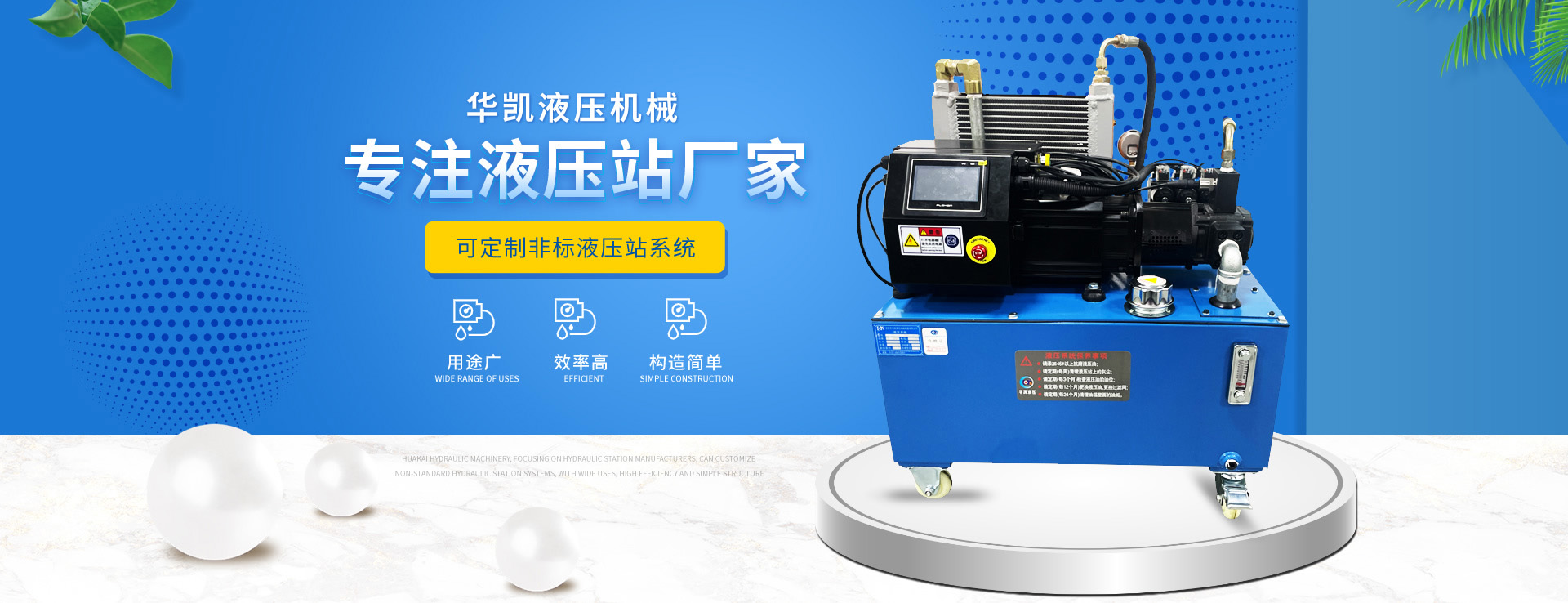
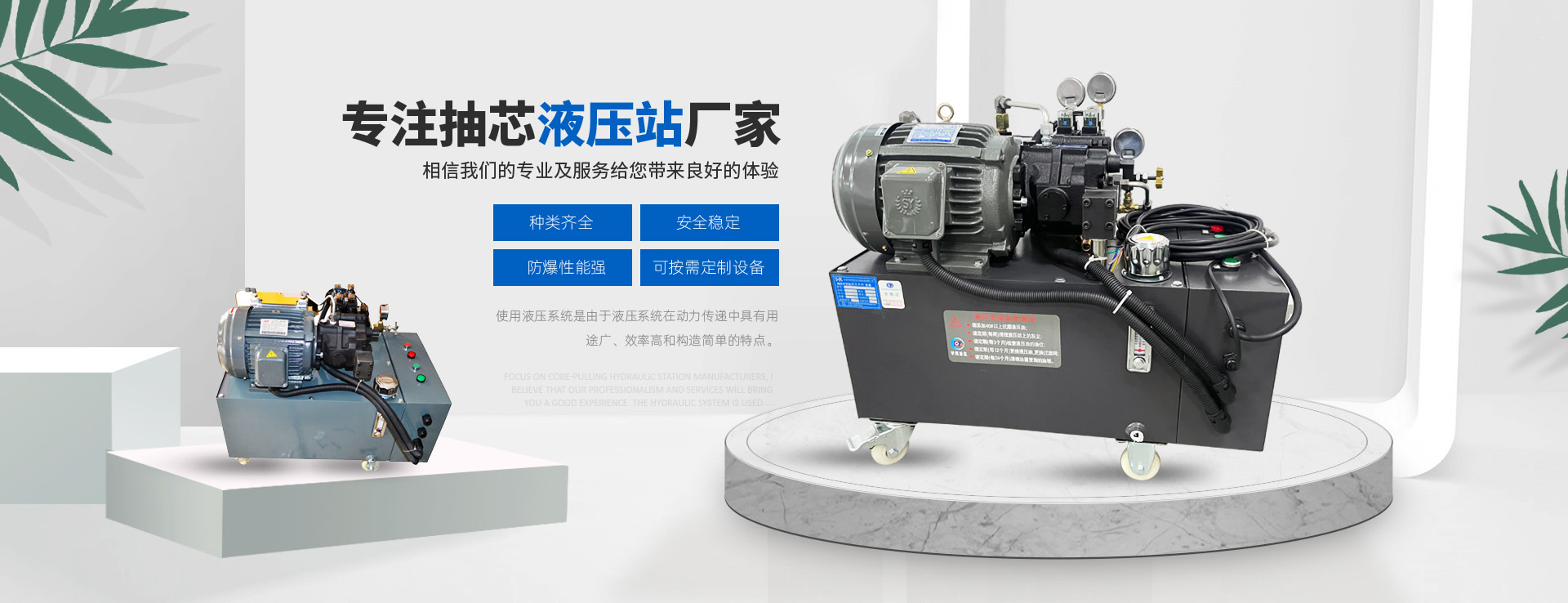
The function of power components is to convert the mechanical energy of the prime mover into the pressure energy of a fluid, referring to the oil pump in the hydraulic system, which provides power to the entire hydraulic system. The structural forms of hydraulic pumps generally include gear pumps, vane pumps, plunger pumps, and screw pumps.
2. Actuator
Actuating elements, such as hydraulic cylinders and hydraulic motors, convert the pressure energy of fluids into mechanical energy, driving loads to perform linear reciprocating or rotational motion.
3. Control Components
Control components, specifically various hydraulic valves, regulate and control the pressure, flow, and direction of fluids within hydraulic systems. Depending on their control functions, hydraulic valves can be categorized into pressure control valves, flow control valves, and directional control valves. Pressure control valves include pressure relief valves (safety valves), pressure-reducing valves, sequence valves, and pressure switches; flow control valves include throttle valves, adjustment valves, and分流集流阀; directional control valves include check valves, hydraulic check valves, solenoid valves, and directional valves. According to different control methods, hydraulic valves can be classified into on/off control valves, fixed-value control valves, and proportional control valves.
4. Auxiliary Components
Auxiliary components include fuel tanks, oil filters, coolers, heaters, accumulators, oil pipes and pipe fittings, seals, quick-connect fittings, high-pressure ball valves, hose assemblies, pressure gauges, oil level gauges, and oil temperature gauges, etc.
5. Hydraulic Oil
Hydraulic oil serves as the working medium for transmitting energy in hydraulic systems, encompassing several major categories such as mineral oils, emulsions, and synthetic hydraulic oils.
