
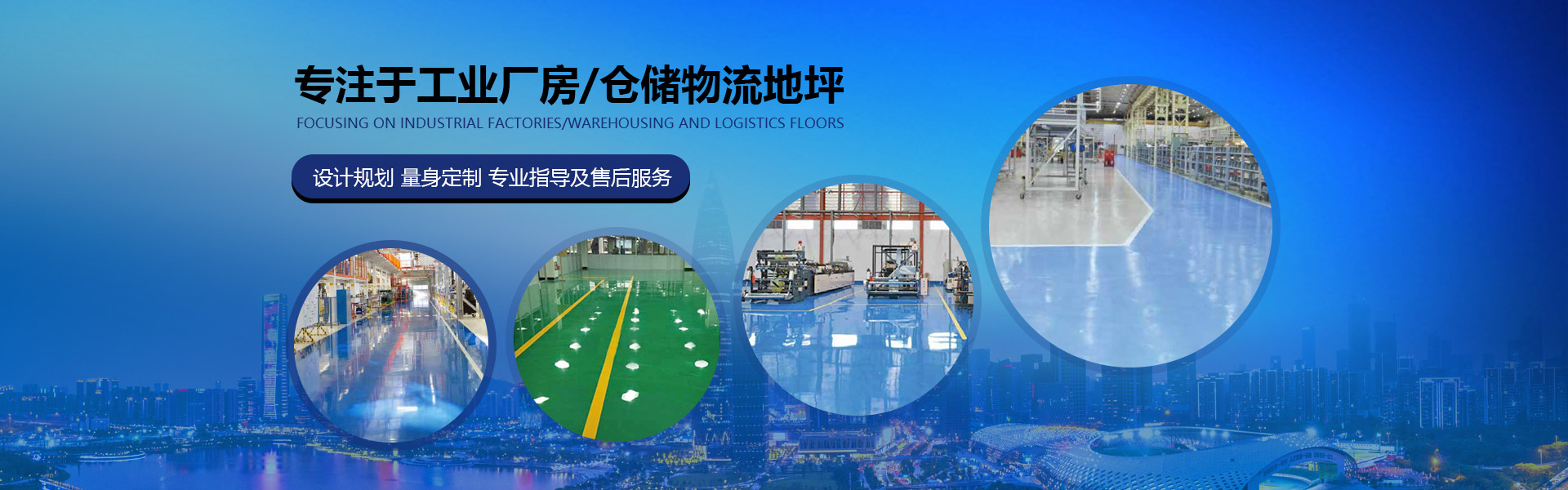
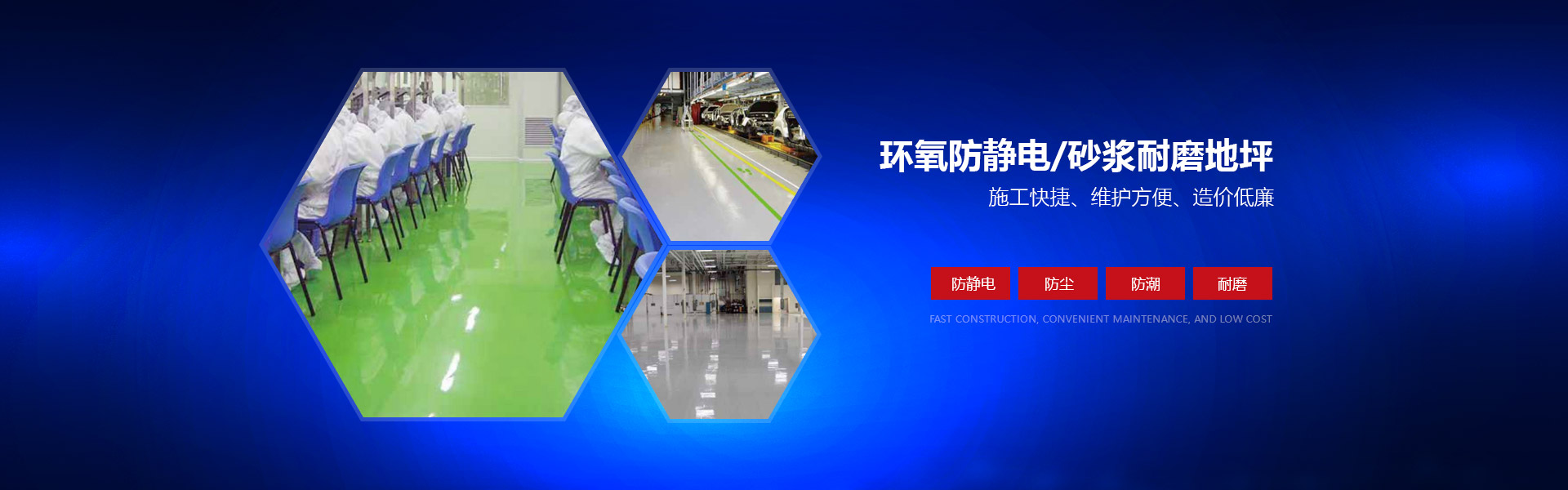


During urban development, a multitude of facilities are constructed to serve city life, and different sites have varying requirements for flooring. We can observe the diversity of flooring options, but one thing remains constant: regardless of the type of flooring chosen, our standards for quality and performance remain unwavering. Longevity, excellent pressure resistance, durability, and ease of cleaning are all essential criteria for our flooring solutions. Extending the lifespan of flooring not only conserves resources but also facilitates urban construction.
The foundation for maintaining high-quality epoxy flooring is ensuring that the road surface we construct meets stringent quality standards. It is imperative to eliminate any shortcuts in workmanship and lack of attention to detail during the construction process. The quality of the flooring can be assessed during use, rather than compromising user experience for short-term gains. Our approach to maintaining epoxy flooring primarily focuses on the following aspects:
Firstly, ensure to estimate the appropriate time for the epoxy flooring to be ready for use. Avoid rushing to use it immediately after construction. Wait until the paint has fully cured before use to prevent any damage. Ensure good ventilation to accelerate the drying process of the floor.
Next, pointed construction tools must be promptly removed from the cured epoxy flooring area. If the floor paint has not dried completely, it is highly likely to be damaged by these tools.
Again, for construction procedures requiring high-temperature operations, proper protection of the floor surface is essential. Fire-resistant materials should be laid within the construction area to prevent sparks from burning the epoxy floor paint.
Then, ensure the installation of auxiliary fire protection facilities is completed properly. In case the floor does indeed sustain damage, it should be repaired promptly to prevent the paint around the damaged area from peeling off due to prolonged exposure.
