
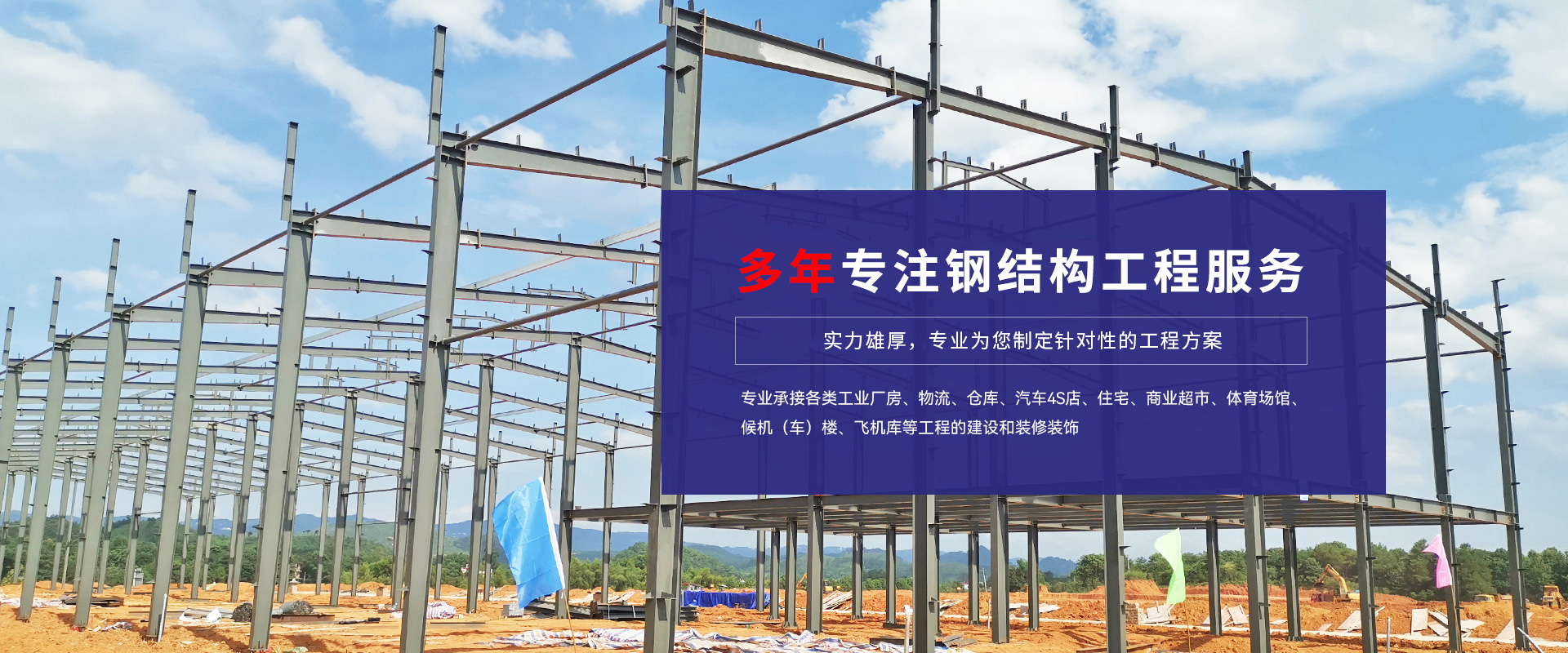

Light-gauge steel structures represent a young and dynamic steel construction system that has been widely applied in various fields such as general construction sites, agriculture, commerce, service buildings, and more, including office buildings, warehouses, sports facilities, entertainment, tourism buildings, and low-rise and multi-story residential buildings.
Light steel frame structures refer to light steel building structures with small load-bearing capacity and limited span, typically categorized into thin plate, shaped steel, and frame structures.
What's the difference between light steel structures and frame structures?
Materials and Components Differences: The primary components of light-gauge steel structures are cold-rolled thin steel plates, which are lightweight yet possess high strength. In contrast, the main components of frame structures are made of reinforced concrete or high-strength steel, which excel in terms of strength and stability.
Different Application Scenarios: Light-gauge steel structures, with their lightweight, high rigidity, and short construction periods, are more suitable for projects like lightweight buildings, residential complexes, commercial buildings, and exhibition halls. On the other hand, frame structures, due to their cost-effectiveness, strong stability, and high load-bearing capacity, are commonly used in projects such as large-span, multi-story, high-rise buildings, schools, and factories.
The Difference in Construction Methods: Light steel structure construction primarily involves factory prefabrication followed by on-site assembly, which significantly shortens the construction timeline. In contrast, frame structure construction entails installing pre-assembled beams and columns onto the foundation before pouring concrete. Although this method has a longer construction timeline, it offers better structural stability.
