
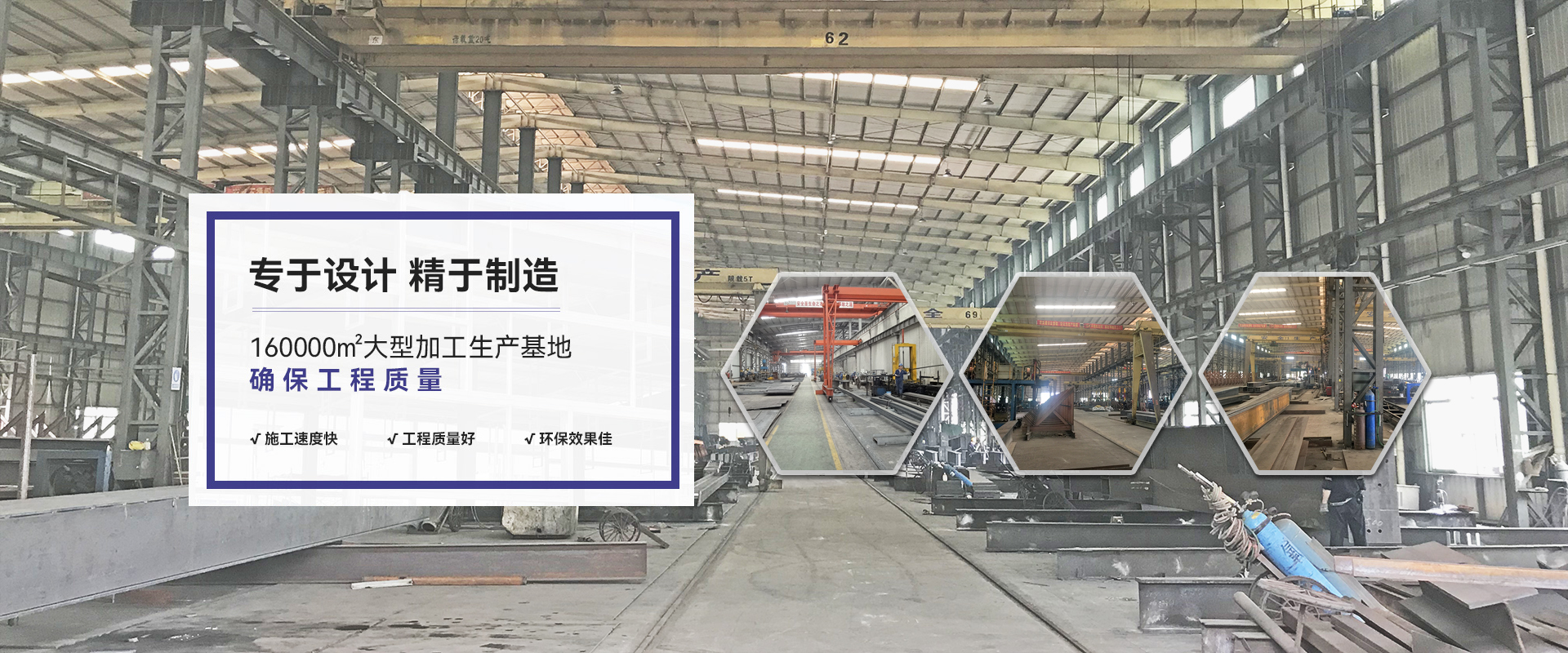
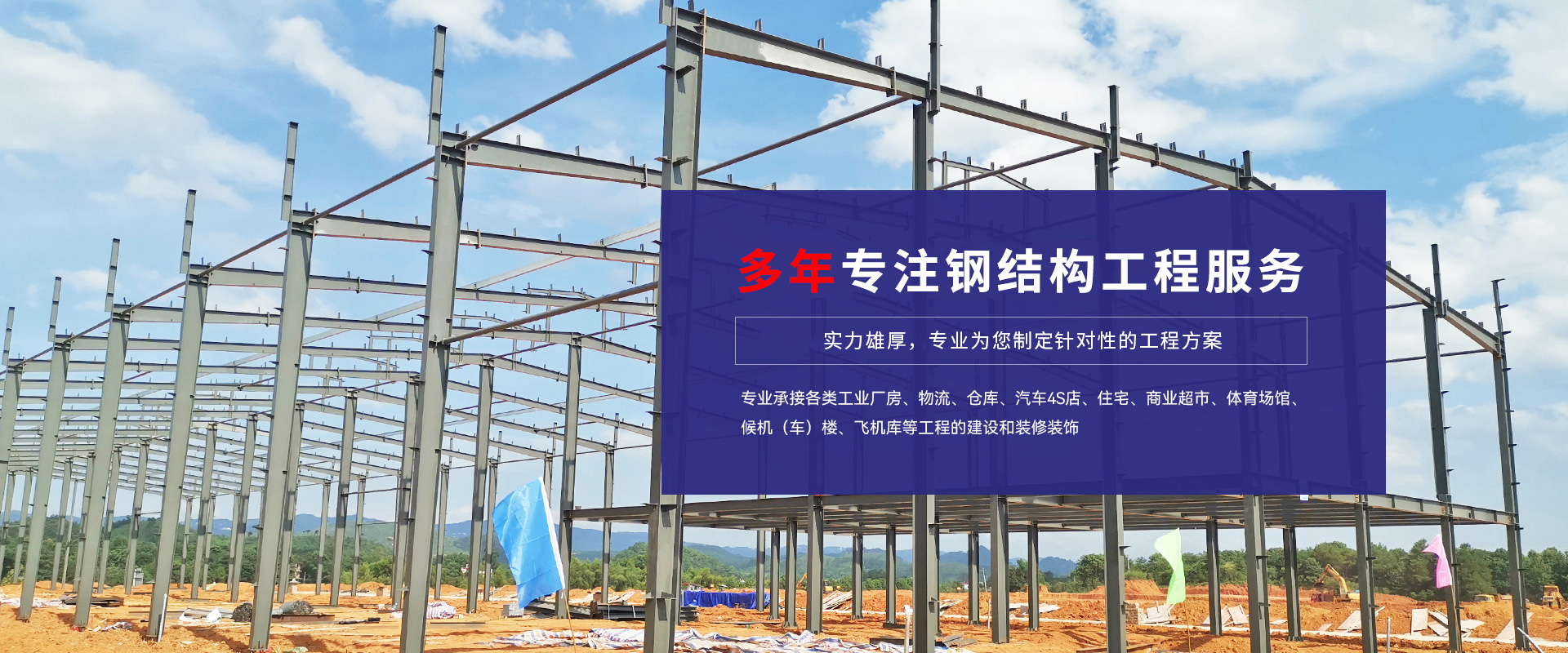
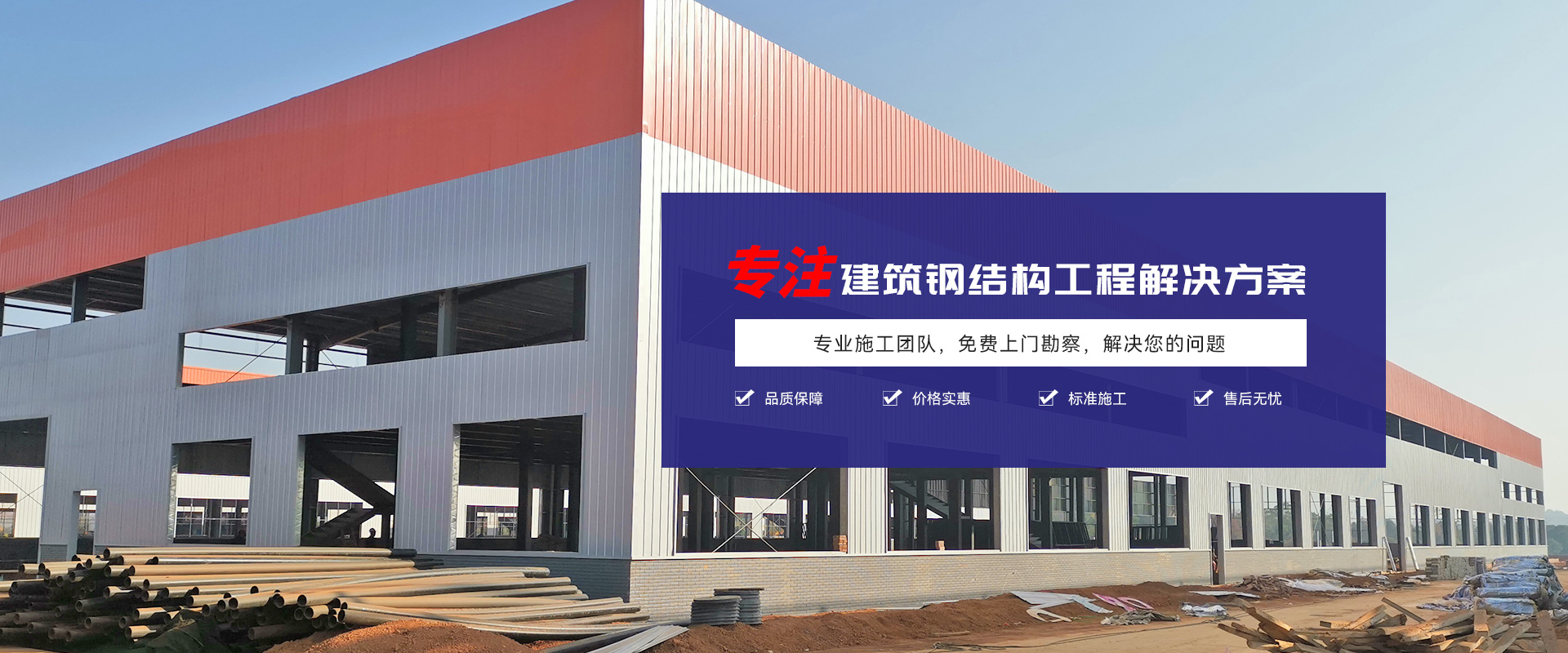

Structural steelwork is a type of construction primarily made of steel, consisting of components such as steel beams, columns, and trusses, mainly composed of sections and plates. These components are typically connected using welds, bolts, or rivets, making it one of the primary types of building structures. Due to its light weight and ease of construction, it is widely used in large industrial buildings, bridges, stadiums, and ultra-high-rise buildings, among other applications.
High Strength
High tensile strength and yield point requirements are critical for steel structure engineering. A higher yield point allows for reduced cross-sectional area of components, thereby reducing weight, saving steel, and lowering costs.
2. Excellent plasticity:
Due to the excellent plasticity of steel structures, they can undergo noticeable deformation before failure, thereby avoiding brittle structural damage.
3. Excellent impact toughness:
Structural steel with good impact toughness enhances the structure's resistance to dynamic loads, preventing cracking and brittle fractures.
4. Excellent combination of cold and heat:
Steel is commonly processed at room temperature, exhibiting excellent cold working properties. This ensures that there will be no cracks or brittle fractures during the processing of steel, and it will not significantly affect the strength, ductility, and toughness due to the processing.
Excellent solderability:
Weldability of steel structures refers to the ability of steel to achieve good performance after welding under certain processing and structural conditions. Weldability is a measure of the thermal processing properties of steel. It can be divided into welding properties for construction and welding properties for use.
Durability
Durability refers to the lifespan of steel structures. The main factors affecting the lifespan of steel are its poor corrosion resistance, followed by the degradation of mechanical properties of steel structures under long-term loads, heavy loads, and dynamic loads.
