
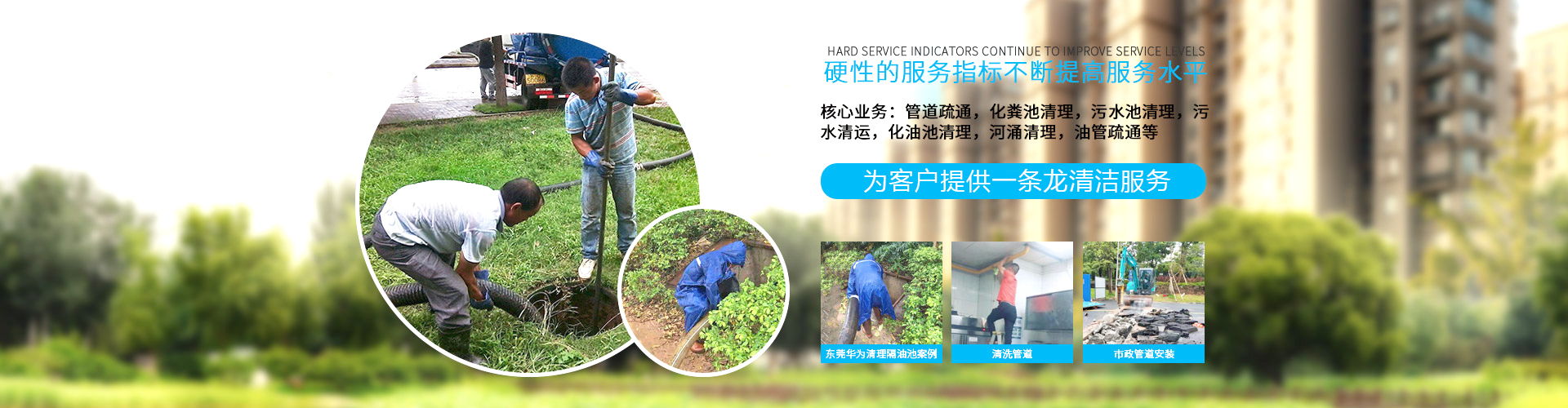

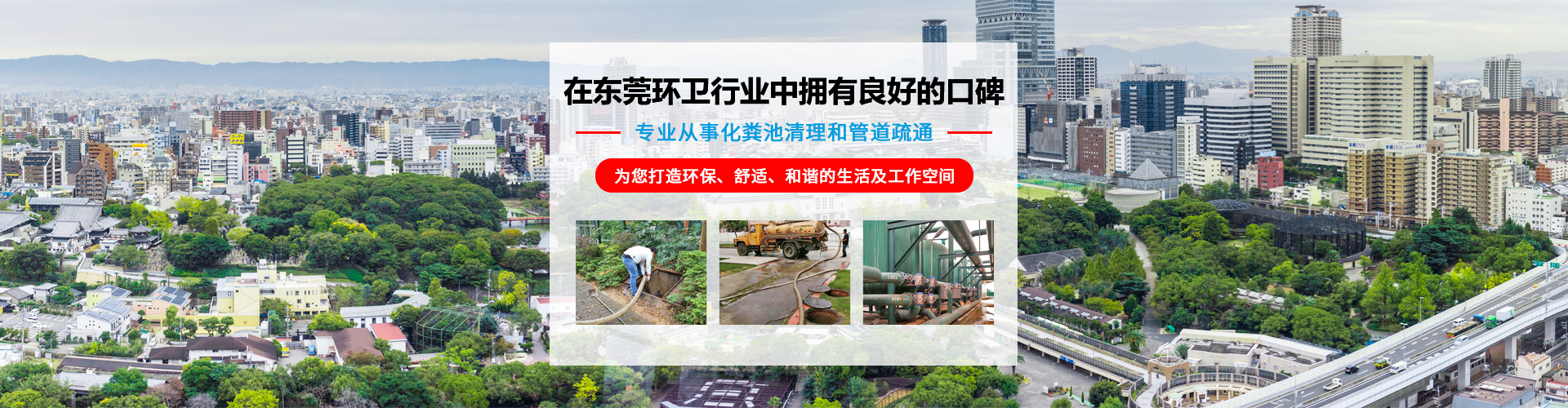

Preparation Before Cleaning the Sewage Pool
It's crucial to clean the wastewater pond, but preparation is equally important. To ensure the task's success, staff must first inspect the equipment to confirm it's functioning properly. Additionally, necessary safety gear, such as goggles, earplugs, gloves, and protective clothing, must be prepared. Before cleaning the wastewater pond, it's also imperative to check that the gas control and ventilation systems are operating correctly to ensure staff safety.
Step-by-Step Sewage Pond Cleaning Process
For pond sediment removal, the following steps are required:
Remove dirt and debris from the walls of the sewage pool.
2. Extract sludge and wastewater from the sewage pond using extraction pumps or other extraction devices.
3. Utilize high-pressure washers to clean the interior of the wastewater pond, ensuring thorough removal of any remaining dirt and sludge.
4. Inspect the effluent pond's drainage system to ensure unobstructed water flow.
5. Conduct thorough inspections of the wastewater pond and address any anomalies promptly.
Section 3: Safety Guidelines
When cleaning wastewater pools, strict adherence to safety protocols is mandatory. Here are some important safety guidelines:
Wear appropriate protective gear as required, including gloves, safety goggles, earplugs, and masks.
2. Inspect the ventilation and gas control systems to ensure proper operation.
Avoid direct contact of sludge or wastewater with skin and eyes.
When cleaning the wastewater pool, avoid using open flames and conductive equipment.
After completing the task, thoroughly clean all tools and store them in designated locations.
Technical Equipment
Cleaning wastewater ponds requires the use of specialized technical equipment to ensure the task is successfully completed. Here are some commonly used devices:
Sump Pumps: Used for extracting sludge and wastewater, different specifications of pumps are mounted according to the water level height.
2. High-Pressure Cleaning: Used for cleaning dirt and debris, thoroughly removing grime with a high-pressure water jet.
3. Sludge Dewatering Machine: Converts sludge from wastewater into a reusable resource through drying treatment.
Cleaning wastewater pools is a crucial task for maintaining environmental hygiene and public health, requiring specialized skills and equipment. The steps for wastewater pool dredging must adhere to strict safety standards, such as using professional equipment, checking the proper functioning of gas control and ventilation systems, etc. In summary, cleaning wastewater pools is an important endeavor that can only be ensured for safety and feasibility through the use of appropriate technology and tools.
