

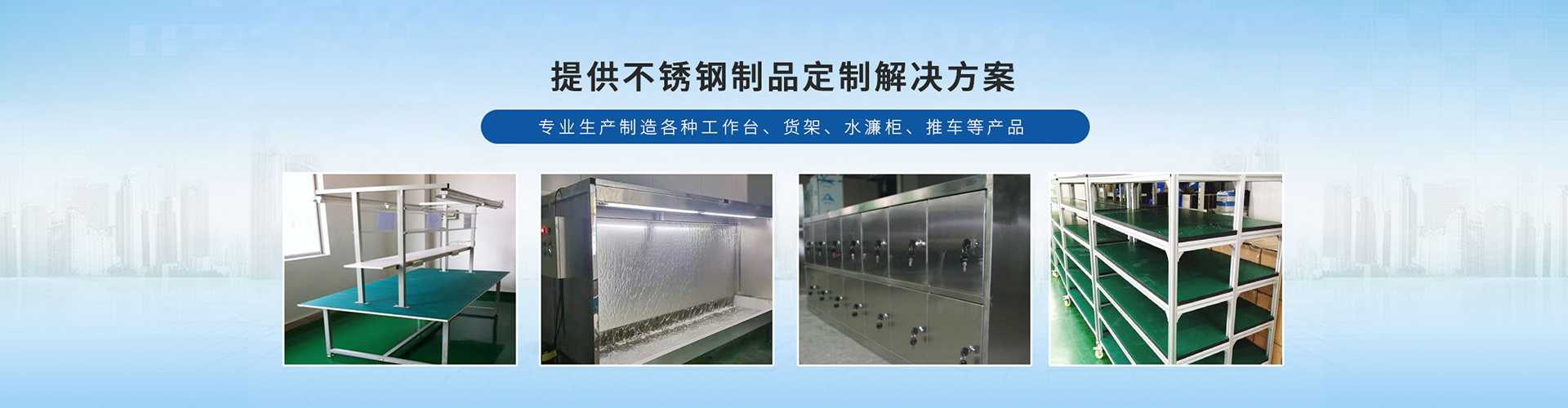


Electrostatic charges can accumulate on insulating surfaces during operations in dry environments or when dry air flows over insulators, due to friction. The more charge that accumulates, the higher the voltage becomes. Once it reaches a certain threshold, discharge occurs, leading to breakdown and the degradation of the insulator's insulating properties. Some electronic components can also be damaged by high voltages caused by accumulated static charges. Therefore, precautions must be taken to prevent damage from electrostatic discharge. This necessitates the use of anti-static workbenches to protect electronic components and the like.
Anti-static workbench primarily involves two measures: reducing static generation and preventing static accumulation.
1. We have appropriately reduced the insulation of the workbench while ensuring it maintains a good grounding. This allows static charges to promptly flow to the ground, preventing them from accumulating into high voltages. Solutions include anti-static worktops and black anti-static tubes.
2. Additional measures required: Textile work uniforms must undergo surface antistatic treatment, operators should wear grounding wristlets, and the air should maintain appropriate humidity.
