
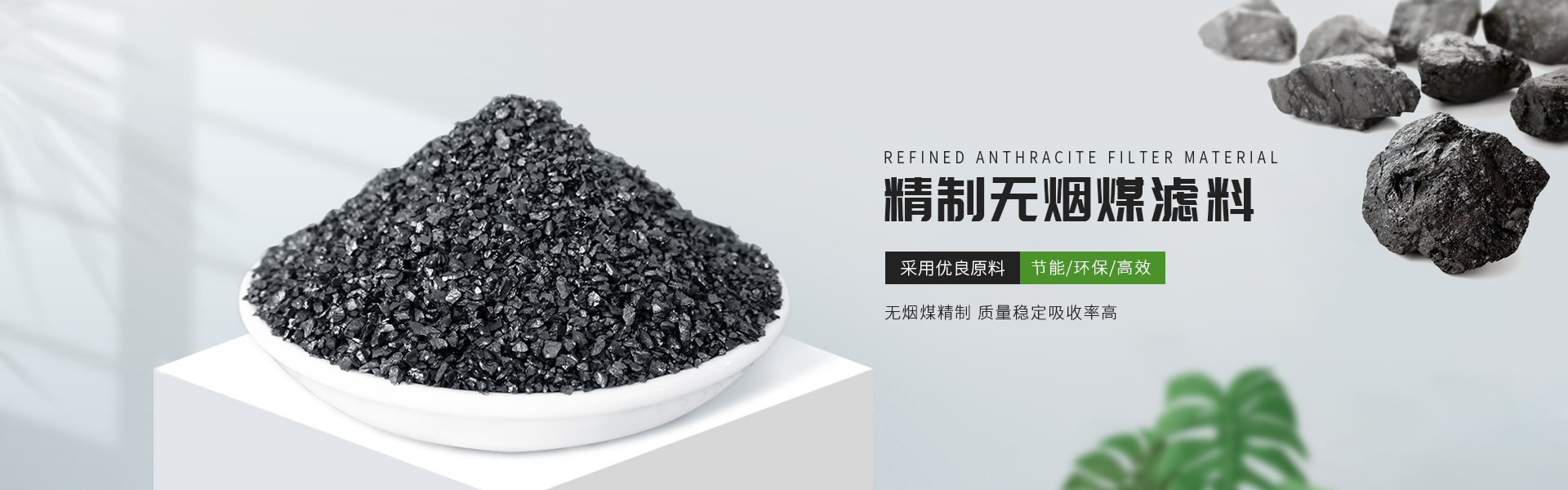
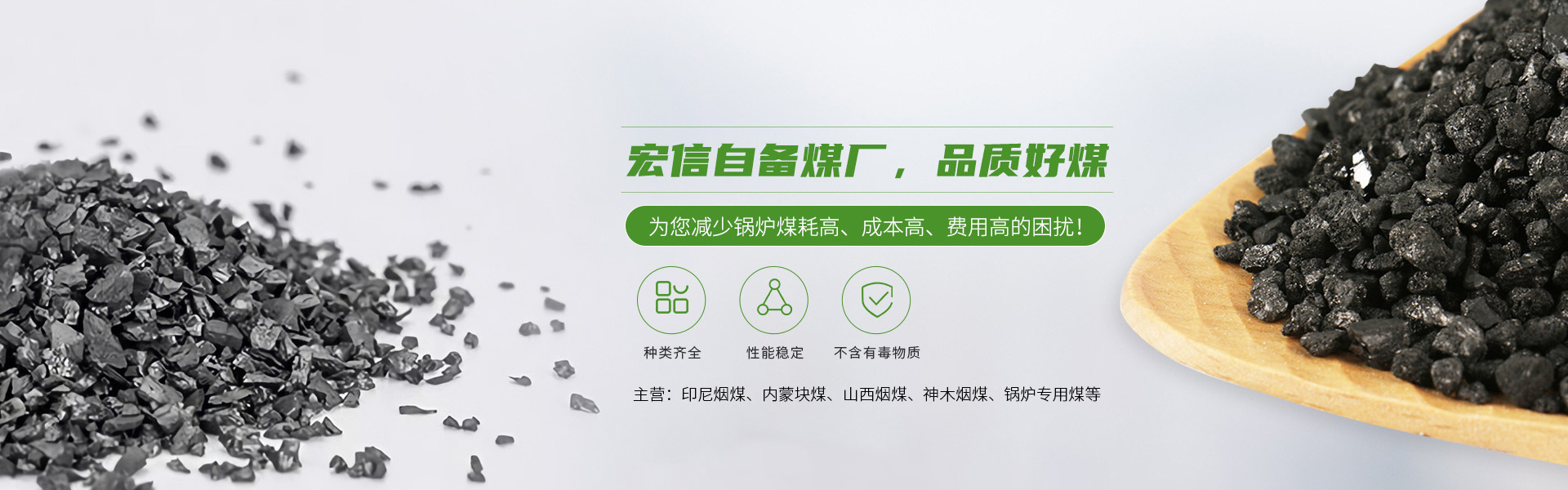

Anthracite is a highly metamorphosed coal with high carbon content, low ash, and minimal moisture, boasting a high calorific value of up to 25,000 to 32,500 kJ/kg. It has a high volatile matter release temperature, and its coke lacks adhesiveness, making ignition and combustion challenging. The combustion process is smokeless with a blue flame. Under specified conditions, when coal samples are heated in the absence of air, the organic matter within the coal decomposes, releasing a portion of lower molecular weight liquid (in vapor form at this stage) and gaseous products, which are referred to as volatiles. The percentage of volatiles in the coal sample is known as the volatile matter yield or simply volatiles. Coal with a volatile matter content below 10% on a dry, ash-free basis is classified as anthracite. Anthracite with a volatile matter content between 6.5% and 10% is known as Anthracite No. 3. Anthracite No. 1 is considered old, Anthracite No. 2 is typical, and Anthracite No. 3 is young.
Standard sizes of anthracite coal: 0.6-1.2mm; 0.8-1.8mm; 1-2mm; 3-6mm; 4-8mm.
Smokeless Coal Project Indicators:
Breakage and wear rate/% ≤ 3
Density: 31.4~1.6 g/cm³
Volatile matter < 10%.
Sediment content/% ≤ 4
Hydrochloric acid solubility rate/% ≤ 3.5
Density greater than 1.8 g/cm³; Content ≤ 8%
Particle size range/mm: 0.8~1.8 (double layer); 0.8~1.6 (triple layer).
Particle size less than the lower limit/% ≤ 3
Particle size exceeding the upper limit/% ≤ 2.
