

Anthracite coal
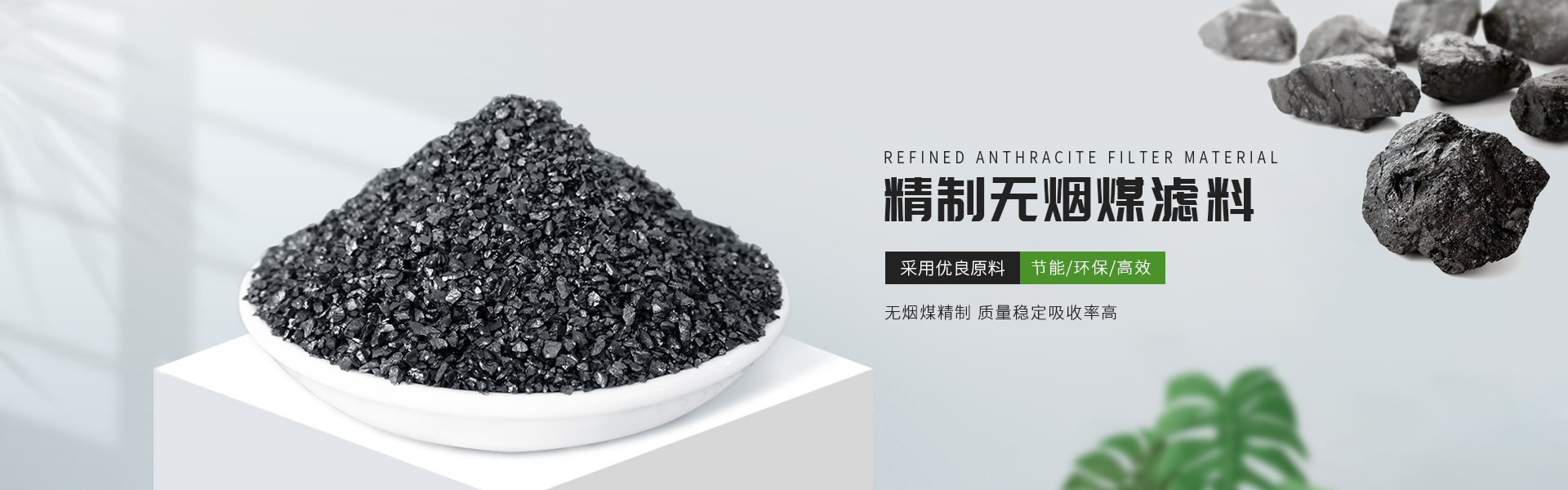
Anthracite coal is characterized by a high fixed carbon content, low volatile matter, and a true density as high as 1.35 to 1.90. It is non-caking, has a high ignition point, typically ranging from 360 to 420 degrees Celsius, and produces little smoke during combustion. This type of coal is further divided into three subcategories: 01 (aged), 02 (typical), and 03 (young). Anthracite coal primarily serves as raw material for making ammonia and gas for industrial use. Its low ash and sulfur content, combined with its softness and ease of grinding, make it an ideal reductant and fuel for blast furnace injection and sintering iron ore. Additionally, it can be used to produce various carbon materials such as carbon electrodes, carbon blocks, anode paste, and activated carbon and filter materials. Some anthracite coal-based aviation-grade coal can also be used for insulating aircraft engines and vehicle motors. Although anthracite has good slurry formation properties, its combustion in slurry is poor, and it is clearly unsuitable for making slurry due to its importance as a raw material in the chemical industry.
(2) Lean Coal
Lignite is a small category of coal within the anthracite group, characterized by a high degree of metamorphism, non-caking or only slightly caking, and it does not agglomerate into coke in layered coke ovens. It has a higher calorific value than anthracite, with a shorter flame and a smoky burn, but it also has a higher ignition point, ranking second only to anthracite, typically around 350 to 360 degrees Celsius. It is primarily used as a power plant fuel, and when burned in combination with high-volatile coal, it can fully utilize its high calorific value and long-burning advantages. It can also be used as fuel for domestic and industrial boilers. Similar to anthracite, it has good slurry formation properties, but its combustibility is lower, and it is generally not processed into slurry alone.
(3) Lean coal
Lean coal is a high变质 form of coking coal, characterized by its ability to produce a significant amount of胶质 during the coking process, with a Y-value typically around 6 to 10 mm. When used alone for coking, it yields coke with large lumps, fewer cracks, and good fracture resistance, although its wear resistance is较差. However, it is more suitable for blending with other coal types during coking. Lean coal can also be used as a blending component in pulping.
(4) Lean Coal
Lean coal is a type of bituminous coal with a higher degree of coalification and lower volatile matter content. Upon heating, it produces a certain amount of胶质, and is primarily used as blending coal for coking, as well as for power and domestic fuel. Lean coal can also be used for blending coal slurry.
(J) Coking Coal
Coking coal is a type of coal with strong coking properties, with volatile matter typically ranging between 16% to 28%. When heated, it produces a胶质 body with high thermal stability. During the coking process, it yields coke with large size, fewer cracks, and excellent resistive and abrasive strengths. Although coking coal is commonly used for pulping, there is a limited reserve of it in our country, and it is generally not allowed to compete with the coking industry for raw materials.
(6)Coking Coal
Fat coal is a high-volatile coking coal with strong caking properties, typically containing volatile matter between 25% and 35%. It has good slurry formation and combustion characteristics, but is also used as a blending coal in coke production and is generally not processed into slurry.
(7) 1/3 Hard Coking Coal
1/3焦煤 is a medium to high volatile, strong caking coal, comparable to No. 2 lean gas coal and some No. 2 lean coking coal in the raw coal classification, as well as a small amount of No. 1 lean coking coal with good adhesion and No. 2 lean coking coal. Essentially, it is a transitional coal between coking coal, lean coal, and gas coal. During single coal coking, it produces a melting coal with excellent strength, exceeding that of lean coal and gas coal. Therefore, it can be used as a single coal for medium to high-quality blast furnace coking, and also serves as a base coal for blending coal coking. The amount of blending during coking can fluctuate over a wide range while still achieving high-strength coke. It has good slurry formation properties and is often used in water coal slurry.
(8) Gas Fertilizer Coal
Gas-fat coal is a strong coking coal with high volatile matter and胶质层厚度, sometimes referred to as liquid fat coal. Its coking properties are superior to gas coal but inferior to fat coal. The胶质 layer is abundant but relatively thin (and less viscous). When single coal is coked, it produces a large amount of coal gas and liquid chemical products. It is suitable for high-temperature dry distillation to produce city gas and can also be used to blend with coking coal to increase the yield of chemical products. This coal has a unique formation, with a high proportion of stable components like bark, predominantly formed during the Late Permian Leping Formation. Gas-fat coal is also an excellent coal species for pulping.
(9) Gas Coal
Coal gas is a coking coal with a lower degree of metamorphism and higher volatile matter content, characterized by strong coking properties and the ability to produce a high amount of coal gas and more tar when heated. The coke produced is typically long, thin, and brittle, with a considerable number of cracks. Generally, when blending coal for coking, adding more coal gas increases the yield of coal gas and chemical products. Some coal gas can also be distilled at high temperatures alone to produce town gas, despite its poor slurry formation properties, it burns well. Moreover, China has abundant reserves of coal gas, and it should be the first choice for pulping.
(10) Half-bituminous Coal
1/2 middle coking coal corresponds to part of the original classification's 1# fat coking coal, 1# fat gas coal, and some weak coking coals with good agglomeration properties, making it also a transitional coal. However, this type of coal has limited reserves and production. It is a coking coal with a wide range of volatile matter content and moderate agglomeration properties. Some of this coal can form a certain degree of coke with sufficient strength during single coal coking, thus serving as raw material for blended coal coking. Nonetheless, the coke strength is poor during single coal coking, and the rate of powdered coke is high. Therefore, it is primarily used as coal gasification or power generation coal, and can also be used in pulping.
Weak Coking Coal
Weak caking coal is a non-coking bituminous coal with relatively weak caking properties, ranging from low to medium metamorphism. It produces little胶质 when heated in the absence of air. During coking, some can form weakly bonded cokes, while others can only condense into a small amount of lumpy coke. The powder coke rate is high. The coal's formation is also quite unique, with a higher proportion of fibrous and semi-fibrous components in the coal petrographic composition, and it is mostly formed during the early to middle Jurassic periods of the Mesozoic era. It is generally suitable for gasification and as a raw material for power. Although its slurry formation properties are poor, it has excellent combustion characteristics and is an important coal type for pulping.
(12) Non-stick Coal
Non-adhesive coal is a low to medium metamorphic anthracite coal that has undergone a considerable degree of oxidation during its early coalification stages. It does not produce a胶质 during coking. The coal has a high moisture content, with a calorific value slightly higher than that of lignite but lower than that of bituminous coal, and some varieties contain a certain amount of humic acid. The oxygen content in the coal typically ranges from 10% to 15%. It is primarily used for power generation and coal gasification, as well as for industrial and domestic fuel. However, due to its low ash fusion point, it can be mixed with other coal types for combustion, maximizing its benefits of low ash, low sulfur, and a relatively high calorific value on an ash-free basis. Non-adhesive coal can also be used as a coal type for blending and pulping.
Long焰Coal
Long焰 coal is a low metamorphism, high volatile, non-coking coal with a coalification level slightly higher than lignite but lower than other types of coal. The combustion point of the coal is low, and the calorific value of pure coal is not high. It ranges from non-cohesive to weakly cohesive, with some containing a certain amount of humic acid. It is prone to weathering and cracking during storage. Some long焰 coal can produce a certain amount of胶质 when heated and can also form small, elongated pieces to create coke, with a high ash content. It is generally not used for coking and is more commonly used as fuel for power plants, locomotives, and industrial furnaces. It can also be used for gasification. It has poor slurry-forming properties and is generally not suitable for producing pulp alone.
(14) Lignite
Lignite is a type of coal with a low degree of coalification, characterized by high moisture content, high porosity, high volatile matter, non-caking properties, and a high heat content. It contains varying amounts of humic acid, with oxygen content typically ranging from 15% to 20%. It has strong chemical reactivity and poor thermal stability. Lignite blocks break severely when heated. Stored in the air, it is prone to weathering and degradation, breaking into small pieces or even powder, further reducing its calorific value. The ash melting point is generally low, and the coal ash often contains a significant amount of calcium salts, some of which come from calcium humate, while others are derived from calcium carbonate and calcium silicate. The ignition point of lignite usually ranges between 260°C and 300°C, indicating a low ignition point.
Lignite primarily serves as a power generation fuel. Coal briquettes with a particle size of 6 to 20 mm can be used for pressurized gasification to produce fuel gas and synthesis gas. The lignite in the late Tertiary epoch contains much material that can be extracted for lignite wax, whereas the lignite wax in Jurassic lignite is low and can only be used as fuel or as a raw material for hydroliquefaction. Young lignite is also suitable for making humic acid ammonium and other organic fertilizers, which can be used in farmlands and orchards to boost yields.
Lignite has poor pulping properties, but it can be processed into pulp. Significant achievements have been made in the production of water coal slurry from lignite.
